
CATEGORY: Color Fading
Freshly colored hair has a particular visual clarity. Brunette shades appear deeper, reds seem more dimensional, blondes look cleaner, and fashion colors carry an intensity that can make the entire hairstyle feel newly defined. Yet that freshly colored appearance is not permanent. Over the following days and weeks, the shade gradually changes. Sometimes the difference is subtle: a cool brunette becomes warmer, or a creamy blonde begins to look slightly yellow. In other cases, the transformation is unmistakable, with vivid copper, red, pink, blue, or violet losing much of its original saturation.
Color fading is often discussed as though it were simply the inevitable disappearance of dye. In reality, it is a more complex interaction between the hair fiber, the type of color used, the condition of the cuticle, cleansing habits, water, heat, ultraviolet exposure, environmental stress, and the chemistry of the products applied afterward. Understanding these influences changes color care from a vague attempt to "make color last" into a much more intelligent approach to preserving tone, shine, and overall hair quality.
No permanent or semi-permanent color can remain visually identical forever. Hair is washed, exposed to light, styled, touched, conditioned, and subjected to the environment every day. The practical goal is therefore not to prevent every molecular change. It is to slow unnecessary fading while helping the evolving color remain attractive between salon or at-home coloring sessions.
What Actually Happens When Hair Color Begins to Fade
The behavior of artificial color depends partly on the coloring system used. Temporary pigments generally remain close to the surface of the hair and disappear relatively quickly. Semi-permanent and direct dyes typically rely heavily on pigment deposition rather than substantial oxidative alteration of the natural melanin. Demi-permanent formulas generally provide longer-lasting tonal change, while permanent oxidative color is designed to create more enduring modification within the hair fiber.
Even permanent color, however, should not be interpreted as permanently maintaining its original appearance. Permanent dye changes the hair in a lasting way, but the visible shade can still shift considerably. Artificial dye molecules can gradually be lost, oxidized, altered by light, or visually affected by changes in the condition of the fiber. At the same time, newly growing hair reveals the natural base at the roots, creating another form of visible color change.
The cuticle has an important role in this process. It forms the protective outer structure of the hair fiber and influences how readily substances move into and out of the cortex. Coloring procedures, particularly those involving oxidation and lightening, can increase porosity and alter the surface. Hair that is more porous may accept certain pigments readily but can also have greater difficulty retaining them evenly over time.
This explains an experience familiar to many people who color damaged or heavily processed hair. Immediately after coloring, the shade may appear exceptionally rich because porous areas have absorbed substantial pigment. Several washes later, those same areas may fade faster than healthier sections. Pigment uptake and pigment retention are not the same thing.
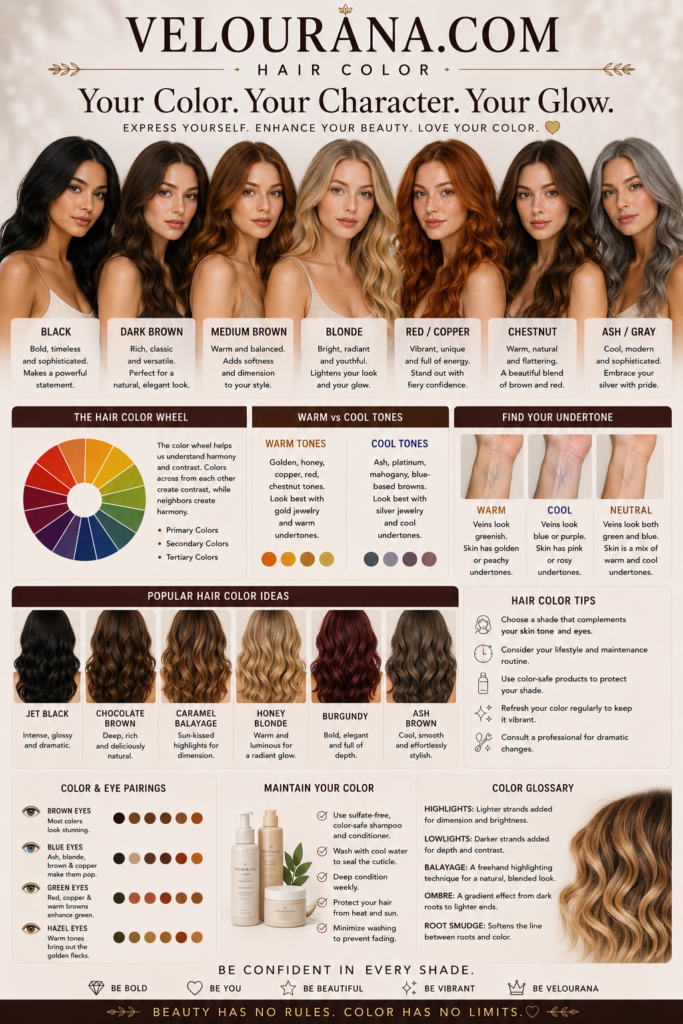
Fading can also expose underlying warmth. When dark hair is lightened or permanently colored, natural pigment is altered and warm underlying tones can become increasingly visible as the cosmetic tone changes. A brunette that initially looked neutral may gradually reveal red or orange warmth. A lightened blonde may become more golden. The color has not necessarily transformed because something entirely new appeared; often, the balancing artificial tone has weakened enough for underlying warmth to become more apparent.
Why Washing Has Such a Powerful Influence on Color Longevity
Cleansing is essential for scalp and hair hygiene, but every wash creates conditions in which some color loss can occur. Water causes the hair fiber to swell, and repeated wetting and drying places physical stress on the cuticle. Shampoo then removes oils, styling residues, environmental deposits, and other material from the hair. Depending on the formula and the coloring system, some deposited pigment may also be lost during this process.
This does not mean colored hair should simply be washed as rarely as possible regardless of scalp needs. An uncomfortable, excessively oily, or poorly cleansed scalp is not a sensible trade for marginally longer-lasting color. A better approach is to make each wash appropriate for the actual condition of the hair and scalp.
People with oily scalps, frequent exercise routines, fine hair, or substantial styling-product use may reasonably need more frequent cleansing than someone with a dry scalp and coarse, curly hair. Color care works best when it respects these differences rather than imposing a universal washing schedule.
The cleanser itself matters as well. A shampoo intended for regular use on colored hair is generally formulated with cosmetic gentleness and color maintenance in mind. Strong clarifying or deep-cleansing shampoos have a legitimate purpose when substantial buildup needs to be removed, but they are not necessarily the ideal default for every wash on color-treated lengths.
Water temperature also influences the experience of colored hair. Extremely hot water can increase swelling and may intensify the dry, rough feeling that already-processed hair sometimes develops. Comfortable lukewarm water is generally a more practical choice. The objective is not to perform an icy final rinse in the belief that cold water can permanently "seal" the cuticle, but to avoid unnecessary thermal stress during routine cleansing.
Technique matters just as much as frequency. Shampoo is primarily needed where oil and buildup accumulate most: the scalp and root area. Aggressively scrubbing shampoo through fragile, colored lengths can add friction without providing a meaningful cleansing advantage. As the shampoo is rinsed, the diluted lather naturally passes through the rest of the hair.
A well-designed washing routine therefore protects color not through extreme restriction but through moderation. Appropriate cleansing, comfortable water temperature, limited friction, and conditioning afterward can collectively make a noticeable difference to how the color looks as it ages.
Porosity, Damage, and the Uneven Architecture of Fading
Two people can use the same dye and follow similar routines yet experience very different color longevity. One of the most important reasons is that their hair fibers are not structurally identical.
Porosity describes how readily hair absorbs and releases water and other substances. It is influenced by genetics, weathering, mechanical wear, ultraviolet exposure, heat styling, chemical treatments, and previous coloring or lightening. Hair can also have different levels of porosity along a single strand. The relatively new growth near the scalp may be in much better condition than older ends that have experienced years of washing, brushing, sunlight, heat, and chemical processing.
This unevenness can create complicated color behavior. Highly porous ends may become darker or more intense when a deposit-only shade is first applied because they absorb pigment quickly. Later, they may lose that pigment rapidly and appear duller or warmer than the healthier mid-lengths.
Bleached hair deserves particular attention because lightening intentionally alters natural melanin through oxidation and can significantly affect the structural integrity of the fiber. When hair has been lifted repeatedly, retaining a delicate toner or vivid direct dye becomes more challenging. The solution is not necessarily to keep recoloring it more aggressively. Repeated chemical intervention can increase damage, which may make future color retention even less predictable.
Conditioning becomes especially important in this context. Conditioners help improve lubrication, reduce friction, enhance manageability, and make the surface feel smoother. They cannot return chemically altered hair to a truly virgin state, but they can improve the cosmetic behavior of the fiber considerably.
This distinction matters. Hair care does not need to "repair" every microscopic change permanently to be valuable. If a conditioner reduces tangling, improves softness, lowers friction during combing, and helps colored hair look smoother and shinier, it is already performing meaningful work.
Color longevity is therefore closely connected to fiber quality. The better the hair is protected from unnecessary cumulative damage, the easier it becomes to maintain an even, polished-looking shade.
Heat, Sunlight, Water, and the Environment Around Colored Hair
Color fading does not happen only in the shower. Hair spends far more time exposed to the surrounding environment than it does being shampooed, and some of those exposures can substantially influence tone and condition.
Ultraviolet radiation can contribute to degradation of both natural and artificial pigments while also affecting proteins within the hair fiber. Extended sun exposure may therefore leave colored hair looking lighter, warmer, drier, or less glossy. This can be especially noticeable during summer, on beach holidays, or among people who spend long periods outdoors.
Physical protection is often underestimated. Hats, scarves, and hairstyles that reduce the amount of hair directly exposed to intense sunlight can be useful components of color care. Cosmetic products marketed with UV-protective benefits may complement these measures, although hair products do not function exactly like regulated skin sunscreen and should not be treated as a substitute for protecting exposed scalp and skin.
Heat styling introduces another source of stress. Blow-dryers, straighteners, curling irons, and heated brushes can help create a polished finish, but excessive temperature and repeated passes can increase dryness and structural deterioration. Hair that becomes rougher and more porous often reflects light less evenly, which can make color appear dull even before a dramatic amount of pigment has actually disappeared.
A heat protectant can reduce some forms of heat-related damage, but it does not make unlimited temperature harmless. The most effective strategy combines protection with reasonable temperature selection and efficient styling. Hair should not need repeated high-temperature passes simply because maximum heat is available.
Water quality adds another variable. Minerals and metals present in water can accumulate on hair and affect feel, appearance, and chemical services. Swimming introduces additional challenges. Chlorinated pools and mineral-rich water can influence porous, lightened hair, while salt water and repeated sun exposure can leave the fiber feeling dry and rough.
Before swimming, reducing unnecessary exposure and protecting the hair physically can help. Afterward, cleansing and conditioning according to the degree of buildup is generally more useful than allowing pool or seawater residue to remain on the hair for extended periods.
Environmental protection is ultimately part of color protection because pigment and fiber condition cannot be separated visually. Hair with a smoother surface reflects light more effectively, making the shade look richer. Hair that has become rough, dry, and heavily weathered can make even substantial remaining pigment look tired.
Why Some Shades Seem to Disappear Faster Than Others
Not every hair color ages in the same way. The visual impact of fading depends on the pigments involved, the starting base, the degree of lightening, and the contrast between the intended shade and the undertones that become visible afterward.
Red is famous for appearing difficult to maintain. Copper and red shades can remain beautiful as they soften, but the loss of vibrancy is often highly noticeable because saturation is central to their character. When a vivid red becomes muted, the eye registers the change quickly.
Fashion colors can be even more demanding. Pink, violet, blue, green, peach, and other unconventional shades are frequently created with direct dyes on pre-lightened hair. Their longevity varies considerably according to the formula, hair porosity, shade depth, washing habits, and environmental exposure. Pastel colors contain relatively little visible pigment compared with deeper versions, so even modest pigment loss can dramatically alter their appearance.
Blonde fading behaves differently because the issue is often not simply a loss of darkness or saturation. Many blonde services depend on toning to balance yellow or warm undertones after lightening. As the toner diminishes, the blonde may appear increasingly warm even though the overall lightness level has not changed much.
Brunettes may notice warmth emerging for similar reasons. A cool brown can gradually become more golden, coppery, or reddish as balancing tones diminish. Very dark colors can also lose some of their initial richness and reflectivity, particularly when the hair is porous.
This is why color maintenance should be shade-specific. A violet-toned product designed to reduce yellow appearance in certain blondes is not a universal color-preservation treatment. Blue-toned products are used in other situations to visually counter particular orange tones. Red or copper depositing products serve a completely different purpose by adding warmth rather than neutralizing it.
Color theory is useful here, but indiscriminate use of corrective pigments can create unwanted results. Highly porous hair may absorb tinted products unevenly, and excessive use can make sections appear dull, muddy, overly cool, or artificially stained. Tonal maintenance works best when it responds to the actual color that is visible rather than to a generic rule about what colored hair supposedly needs.
Building a Routine That Preserves Color Without Overloading the Hair
Successful color care is often less complicated than marketing makes it appear. The hair does not necessarily need an enormous collection of specialized products. It needs cleansing appropriate to the scalp, conditioning appropriate to the fiber, protection from the stresses actually present in the routine, and targeted tonal maintenance when the shade genuinely requires it.
A person with fine, color-treated hair may need lightweight conditioning so the lengths remain smooth without becoming flat. Someone with coarse, lightened curls may need substantially richer conditioning and more attention to reducing mechanical manipulation. Someone who rarely heat-styles does not need to organize an entire routine around thermal damage, while someone using hot tools several times a week should treat heat management as a central part of color maintenance.
The first days after a coloring service also deserve thoughtful handling. The hair may have experienced substantial chemical processing, particularly when lightening was involved. Gentle manipulation, suitable conditioning, and avoiding unnecessary additional chemical stress can help preserve the cosmetic result.
Over time, the routine should respond to what the hair is actually doing. If the color remains attractive but the ends become dry, the problem may be fiber condition rather than a need for more pigment. If the hair feels healthy but a blonde becomes too yellow, targeted toning may be appropriate. If a brunette is becoming warmer but still glossy and manageable, refreshing the tone may make more sense than intensifying the entire care routine.
Color-depositing masks, conditioners, glosses, and similar products can extend the visual life of some shades by replacing or modifying surface-visible pigment between full coloring sessions. They should nevertheless be treated as color products rather than ordinary neutral conditioners. Their pigments can accumulate, stain porous areas, or influence future professional coloring.
For people who regularly change shades, transparency with a professional colorist about everything applied at home is particularly valuable. A product that seemed temporary may still influence the canvas presented at the next appointment.
The Difference Between Healthy-Looking Color and Permanently Frozen Color
The most useful change in thinking about color fading is accepting that good color does not have to remain visually frozen at the exact shade seen immediately after application.
Many colors develop through attractive stages. A strong copper may soften into a gentler warm tone. A deep brunette may become slightly more dimensional. A vivid fashion shade can transition into a softer version before requiring refreshment. Even professionally maintained blonde often changes subtly between toning appointments.
Problems arise when fading becomes extremely rapid, patchy, unexpectedly warm, dull, or accompanied by increasing roughness and breakage. Those signs suggest that the issue is no longer simply the normal evolution of artificial pigment. Hair condition, product selection, chemical history, water exposure, or the coloring strategy itself may need reconsideration.
Trying to fight every small tonal shift with repeated chemical coloring can become counterproductive. The more the fiber is stressed, the more difficult maintaining an even cosmetic result may become. Sometimes the best color-preservation decision is to leave the hair alone for a while, improve its manageability and conditioning, and use gentler tonal maintenance rather than another major chemical process.
A successful long-term color strategy therefore balances ambition with the physical limits of the hair. The most spectacular shade is not necessarily the one that looks perfect for three days and compromised afterward. A truly successful color is one that can be maintained while the hair continues to feel manageable, flexible, and visually polished.
Color fading is inevitable, but premature deterioration is not. Washing technique, heat habits, sunlight, water exposure, porosity, chemical history, conditioning, and tonal maintenance all shape the way artificial color ages. Once those factors are understood, maintaining color becomes less about chasing permanence and more about controlling the transition.
That distinction produces a more realistic standard of beautiful colored hair. The goal is not pigment that never changes. It is color that fades gracefully, hair that remains cared for, and a maintenance rhythm that preserves both the intended aesthetic and the quality of the fiber beneath it.
THE END VELOURANA
 Discover More From Our Family of Websites
 ZodiacBearing (Astrology, Tarot, Numerology, Angel Numbers & Spiritual Guidance)
 Velourana (Beauty, Makeup, Hair Care, Skincare & Beauty Tips)
 HavenBearing (Home, Living, Organization, Décor & Everyday Inspiration)
 PawBearing (Pet Care, Dog Breeds, Animal Health, Training & Pet Products)
 PsyCatherine (Notes From the Journal of a Psychologist on Real Life)

