
CATEGORY: Vegan Hair Care
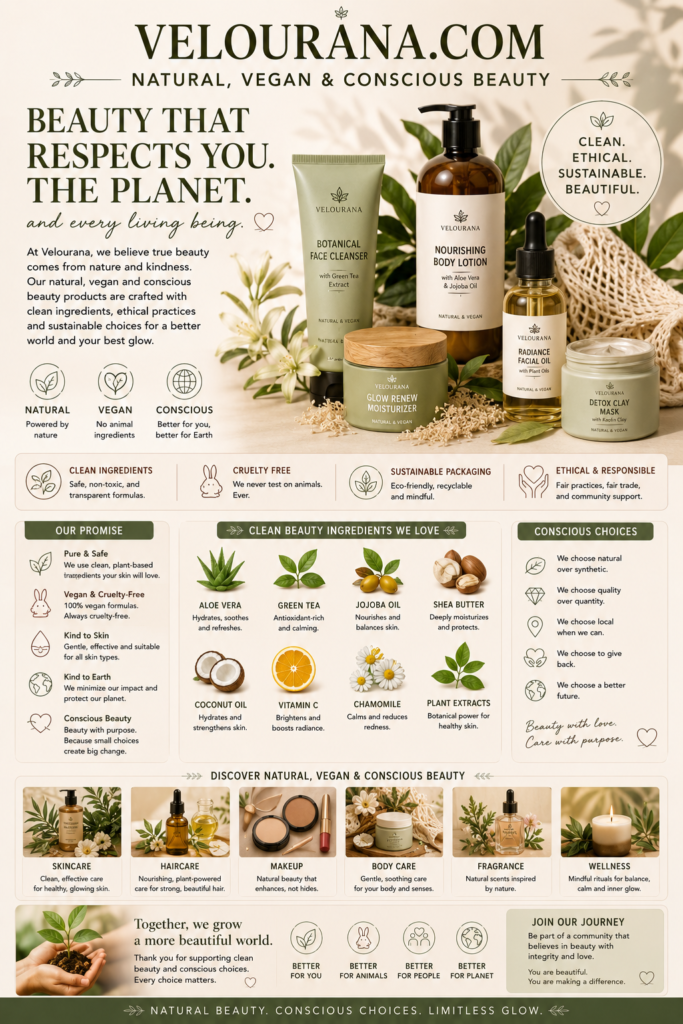
A bottle decorated with leaves, flowers, green typography, or botanical illustrations can look unmistakably vegan. Yet none of those design choices establishes whether the formula actually contains animal-derived ingredients.
Likewise, words such as natural, botanical, plant-powered, clean, ethical, conscious, and cruelty-free do not automatically mean vegan.
This distinction has become increasingly important as vegan hair care moves into mainstream beauty. Consumers now encounter vegan claims across shampoos, conditioners, treatments, styling products, scalp formulas, hair color, and professional salon lines.
Greater choice is useful, but greater marketing complexity can make the category harder to navigate.
A consumer may reasonably wonder whether glycerin is vegan, whether keratin can be vegan, whether cruelty-free means the same thing, whether synthetic ingredients are permitted, or whether a product containing silicones can still qualify.
The answers require separating several beauty concepts that are often bundled together in advertising.
Once those distinctions are clear, choosing vegan hair care becomes considerably easier.
Vegan Hair Care Is an Ingredient Standard
At its simplest, vegan hair care avoids intentionally added animal-derived ingredients.
It does not require every ingredient to come from a plant.
Mineral ingredients can be vegan.
Synthetic ingredients can be vegan.
Fermentation-derived ingredients can be vegan.
Biotechnology-derived materials can be vegan.
The central issue is animal origin.
This allows vegan hair formulation to use the full capabilities of modern cosmetic science rather than restricting products to herbs, oils, and plant extracts.
That flexibility is one reason vegan hair care can now address highly technical needs.
Why Ingredient Origin Can Be Complicated
Some cosmetic ingredients have obvious sources.
Beeswax comes from bees.
Lanolin is associated with wool.
Honey comes from bees.
Other ingredients are less straightforward.
Glycerin can come from vegetable oils, animal fats, or synthetic manufacturing.
Certain fatty acids and emulsifiers may have multiple feedstocks.
Amino acids and proteins can originate through several production routes.
The ingredient list usually gives the standardized ingredient name rather than the entire sourcing history.
This makes supplier documentation important.
A brand making a vegan claim should know where its raw materials originate.
Why Certification Can Help
Vegan certification can reduce the amount of sourcing research required from individual consumers.
An independent standard may establish criteria for animal-derived ingredients and manufacturing practices.
However, certification programs differ.
Consumers should not assume every logo verifies exactly the same issues.
Some certifications focus on vegan ingredients.
Cruelty-free certification may use separate criteria.
A product without third-party certification can still be vegan when the manufacturer has appropriate sourcing controls.
Certification is a useful tool, not the only possible evidence.
Vegan Versus Cruelty-Free
These two terms should be understood separately.
A vegan formula contains no intentionally added animal-derived ingredients according to the relevant standard or claim.
Cruelty-free relates to animal testing.
A formula can therefore be vegan without meeting a consumer's preferred cruelty-free standard.
A cruelty-free product can contain beeswax or another animal-derived ingredient.
Many consumers want both.
When that is the goal, both claims should be verified rather than treating one as proof of the other.
Vegan Versus Plant-Based
Plant-based suggests significant use of ingredients originating from plants.
It does not necessarily guarantee that every ingredient is free from animal origin.
A predominantly plant-based conditioner could theoretically contain a small amount of beeswax or another animal-derived material.
Likewise, a vegan conditioner could contain many synthetic ingredients and relatively few botanical extracts.
The terms overlap in some products but are not interchangeable.
Vegan Versus Natural
Natural beauty is another separate concept.
A natural ingredient can come from an animal.
A synthetic ingredient can be vegan.
This makes statements such as "100 percent natural" insufficient for someone specifically seeking vegan hair care.
Consumers should identify the claim that actually corresponds to their priority.
A product can be natural and non-vegan, vegan and synthetic, or both vegan and largely naturally derived.
Vegan Versus Organic
Organic certification generally relates to agricultural production standards for eligible ingredients.
It does not automatically establish vegan status.
Animal-derived agricultural materials can potentially exist within broader organic systems.
Likewise, a vegan hair product may contain no certified-organic ingredients.
Organic and vegan labels answer different questions.
Combining them is possible, but neither implies the other.
Vegan Versus Sustainable
Vegan products can have strong sustainability characteristics, but vegan status alone does not establish them.
A plant-derived ingredient can be associated with intensive agriculture.
A synthetic ingredient may require significant manufacturing energy.
Packaging may contain virgin plastic.
A product may be transported globally.
A brand may provide no refill system.
These issues do not change whether the formula is vegan.
They simply show why environmental sustainability requires additional evaluation.
Vegan Versus Biodegradable
A vegan ingredient does not automatically biodegrade readily.
Synthetic vegan polymers can behave very differently from plant oils.
Likewise, an animal-derived material could be biodegradable while remaining unsuitable for a vegan consumer.
Biodegradability describes environmental behavior.
Vegan describes ingredient origin.
Keeping these concepts separate makes beauty claims easier to evaluate.
The Keratin Question
Keratin is one of the most confusing ingredients in vegan hair care because hair itself consists largely of keratin proteins.
Traditional cosmetic keratin has commonly been obtained from animal-derived materials such as wool, feathers, horns, or similar sources.
Such keratin would not meet a vegan standard.
Modern products may instead use plant-derived proteins, amino-acid combinations, or biotechnology-based ingredients designed to provide keratin-like cosmetic effects.
The phrase vegan keratin should therefore be interpreted as an alternative technology unless the manufacturer explains otherwise.
Specific sourcing information matters.
What Vegan Keratin Alternatives Can Do
Plant proteins and amino-acid systems can deposit onto or interact with the hair surface, improving feel and manageability.
Some formulas may help reduce the appearance or consequences of damage.
However, cosmetic products cannot transform severely damaged hair into biologically new hair.
Hair fibers outside the scalp are nonliving structures.
The purpose of a treatment is to improve cosmetic properties such as smoothness, lubrication, strength during grooming, shine, or flexibility.
Vegan alternatives should be judged by these realistic outcomes.
Collagen Claims
Conventional collagen is animal-derived and therefore not vegan.
Products described as containing vegan collagen may use biotechnology-derived ingredients or plant-based combinations positioned around similar cosmetic benefits.
Consumers should examine how the manufacturer defines the term.
In hair care, collagen marketing may refer to conditioning, film-forming, or body-enhancing effects.
The name should not distract from the actual formula.
Silk and Silk Proteins
Traditional silk ingredients originate from silkworm production and are not compatible with a strict vegan standard.
Hair products may contain silk proteins or hydrolyzed silk for conditioning and feel.
Vegan formulas can use plant proteins, synthetic polymers, amino acids, and other film-forming materials instead.
The sensory result does not require the replacement ingredient to be chemically identical.
Modern formulation can achieve smoothness through many different routes.
Milk Proteins
Milk proteins and milk-derived cosmetic ingredients are animal-derived.
They may appear in products marketed around nourishment or strengthening.
Vegan alternatives include plant proteins and amino-acid technologies.
The presence of words such as milk in marketing can occasionally refer to texture rather than dairy ingredients, as in hair milk.
Consumers should therefore distinguish a product format called milk from actual milk-derived ingredients.
The ingredient list and vegan claim provide better guidance.
Honey
Honey is excluded from vegan formulation standards because it is produced by bees.
It appears in some hair products because of its traditional reputation as a moisturizing ingredient.
Vegan formulations can use other humectants.
Glycerin, glycols, sugars, plant-derived materials, and synthetic ingredients can all contribute to moisture management depending on formula design.
Removing honey does not prevent a conditioner or mask from being highly moisturizing.
Beeswax
Beeswax is another common non-vegan ingredient.
It is particularly useful for creating structure in pomades, waxes, balms, and styling sticks.
Vegan formulators have several alternatives.
Plant waxes can provide hardness and structure.
Synthetic waxes can offer predictable performance.
Blends can reproduce the texture required for specific styling effects.
A vegan pomade does not need to sacrifice hold simply because beeswax is absent.
Lanolin
Lanolin is derived from wool and therefore does not meet vegan standards.
Its emollient properties can be replaced through combinations of vegetable oils, esters, waxes, butters, and synthetic emollients.
Lanolin alternatives can be designed to provide similar richness without being chemically identical.
This highlights an important principle of vegan formulation.
The goal is not always direct substitution.
Often, the complete formula is redesigned around a different ingredient system.
Glycerin
Glycerin illustrates the limitations of ingredient-list detective work.
The same standardized ingredient name can represent material produced from different sources.
Vegetable glycerin is widely available and commonly used in vegan products.
Animal-derived glycerin also exists.
Without supplier information, the source may not be obvious from the label.
A credible vegan product claim therefore provides useful information beyond the ingredient list.
Fatty Alcohols
Ingredients such as cetyl alcohol and cetearyl alcohol are common in conditioners and masks.
Despite the word alcohol, they are fatty materials used to create texture and improve conditioning.
They are not the same as drying alcohols such as ethanol.
Their raw-material sources can vary, although vegetable-derived versions are widely used.
A consumer should not classify them as non-vegan simply because the ingredient name sounds unfamiliar.
Manufacturer sourcing determines vegan compatibility.
Stearates and Fatty Acids
Stearic acid and related materials may be produced from plant or animal feedstocks.
They can appear in emulsions, styling products, creams, and conditioners.
Modern vegan brands generally select plant-derived or otherwise vegan-compatible sources.
Again, ingredient names alone may not reveal feedstock.
This is why a reliable vegan claim can be more practical than attempting to trace every fatty ingredient independently.
Amino Acids
Amino acids can be produced through fermentation and other vegan-compatible processes.
They may be included in hair products for conditioning and damage-focused benefits.
Consumers sometimes assume amino acids must originate from animal proteins.
That is not necessarily true.
Modern ingredient manufacturing offers multiple production routes.
The relevant question is how the particular raw material was produced.
Plant Proteins
Rice, wheat, soy, pea, oat, quinoa, and other plant proteins are frequently used in vegan hair products.
Hydrolysis breaks proteins into smaller fragments that can behave more effectively in cosmetic formulations.
Protein-containing products may improve the feel and temporary strength of certain damaged hair types.
However, hair response varies.
Some people enjoy frequent protein treatments.
Others prefer them less often.
The vegan status of the protein does not change the need to monitor how the hair behaves.
Oils and Butters
Plant oils and butters are prominent in vegan hair care.
Coconut, argan, jojoba, sunflower, avocado, olive, shea, mango, and many others may appear.
They can provide lubrication, softness, shine, and richness.
But more oil does not automatically mean better conditioning.
Fine hair can become weighed down.
Scalps may react differently.
Some oils penetrate the hair differently from others.
Formulation balance matters more than the length of the botanical ingredient list.
Silicones
Silicones are often misunderstood in ethical beauty discussions.
They are synthetic materials rather than animal-derived ingredients and can be compatible with vegan products.
Silicones may reduce friction, improve shine, smooth the hair surface, support detangling, and contribute to heat-protection systems.
A consumer may choose to avoid silicones for other reasons.
That preference should not be confused with veganism.
Silicone-free is an independent product claim.
Sulfates
Sulfate surfactants can also be vegan.
The sulfate-free movement relates to cleansing preferences rather than animal-derived ingredients.
Some consumers find certain sulfate shampoos highly effective.
Others prefer milder surfactant systems.
Hair texture, scalp oiliness, washing frequency, color treatment, and styling-product use all affect the decision.
A vegan routine can include sulfate or sulfate-free shampoos.
Parabens
Paraben-free is another claim unrelated to vegan status.
Parabens are preservatives.
A vegan product may contain them.
A paraben-free product may contain animal-derived ingredients.
Marketing often places many free-from claims together on packaging, which can make consumers assume they are connected.
They are not necessarily.
Each claim should be interpreted independently.
Vegan Shampoo Performance
The effectiveness of shampoo depends on formulation rather than vegan status.
A shampoo needs to remove enough oil, sweat, environmental residue, and styling product without creating unnecessary dryness for the individual.
Someone washing daily may prefer a gentler formula.
Someone using heavy waxes or silicones may need occasional clarifying.
A person with an oily scalp may require more cleansing.
Vegan shampoos can cover the entire spectrum.
Clarifying Vegan Shampoo
Clarifying shampoos remove substantial buildup.
They can be useful when styling products, oils, mineral residue, or conditioning ingredients accumulate.
A clarifying formula can easily be vegan.
However, it should not automatically replace everyday shampoo for everyone.
Stronger cleansing can leave certain hair types dry if used too frequently.
Frequency should be determined by buildup and hair response.
Vegan Conditioner Performance
Conditioner is where sophisticated cosmetic chemistry becomes particularly valuable.
Effective detangling requires more than adding plant oil to water.
Conditioning agents interact with the hair surface, reduce static, improve slip, and help fibers move past one another with less friction.
Vegan-compatible conditioning ingredients can perform these functions extremely well.
Consumers should judge the finished product by detangling, softness, weight, and manageability rather than by how natural the ingredient list appears.
Vegan Deep Conditioning
Deep conditioners and masks can combine rich emollients with advanced conditioning technologies.
A vegan mask can be extremely nourishing without lanolin, honey, or animal proteins.
The correct level of richness depends on hair.
Coarse, porous, bleached, or tightly textured hair may appreciate substantial conditioning.
Fine hair may require a lighter mask or shorter application.
Vegan formulation does not eliminate the need for personalization.
Vegan Bond-Focused Hair Care
Bond-focused products have become prominent in damage care.
Different technologies operate through different mechanisms, and marketing terminology varies.
A bond product can be vegan when its active system and supporting ingredients meet vegan sourcing requirements.
Consumers should not assume that every product using repair terminology performs identically.
The manufacturer's instructions and evidence should guide expectations.
Vegan alternatives can participate fully in advanced damage-care categories.
Vegan Leave-In Products
Leave-ins are particularly useful for reducing friction after washing.
They may support detangling, styling, softness, and protection.
Vegan leave-ins range from almost weightless sprays to dense creams.
This diversity matters because hair type determines which texture is appropriate.
The best product is one that remains effective at the quantity the hair actually needs.
Vegan Heat Styling
Heat styling can create significant stress on hair.
A vegan routine can include dedicated heat-protection sprays, creams, or serums.
Synthetic polymers and silicones may be particularly useful in these products and are compatible with vegan formulation when the complete product meets the standard.
Consumers seeking vegan beauty should not assume that plant oils alone are sufficient substitutes for professionally formulated heat protectants.
Function should guide product choice.
Vegan Styling Wax
Styling wax is one category where beeswax has historically been common.
Modern vegan alternatives can use plant and synthetic waxes to provide texture, separation, control, and hold.
Different wax systems create different finishes.
Some are glossy.
Others are matte.
Some remain flexible.
Others provide strong structure.
The absence of beeswax does not limit the category to one texture.
Vegan Pomade
Pomades can be water-based, oil-based, wax-heavy, or hybrid formulations.
Vegan versions can reproduce traditional levels of shine and hold through alternative waxes and structuring ingredients.
Water-based pomades may be easier to wash out.
Oil-rich versions may provide stronger classic styling characteristics.
The best choice depends on hairstyle and cleansing preference rather than vegan status alone.
Vegan Curl Styling
Curl gels, creams, mousses, foams, custards, and leave-ins can all be formulated vegan.
The category provides enough diversity to support waves, curls, and coils.
The key is balancing conditioning and hold.
Too much richness can stretch loose waves.
Too little conditioning can leave tight curls difficult to detangle.
Vegan curl care should therefore be customized just as carefully as conventional curl care.
Vegan Scalp Treatments
Scalp serums and treatments may address the appearance of dryness, oiliness, flaking, or general scalp comfort.
Vegan formulations can use humectants, botanical extracts, acids, soothing ingredients, and modern cosmetic actives.
Consumers should be cautious about treating persistent scalp conditions exclusively with cosmetic products.
Ongoing irritation or unusual shedding may require professional assessment.
Vegan status does not change the boundary between cosmetic care and medical treatment.
Vegan Dry Shampoo
Dry shampoo can be formulated without animal-derived ingredients.
Powders absorb some scalp oil and can refresh the appearance of hair between washes.
Aerosol and non-aerosol versions exist.
Dry shampoo does not actually wash the scalp.
Regular cleansing remains necessary.
Using large quantities repeatedly without washing can contribute to buildup.
The product should supplement rather than permanently replace shampooing.
Vegan Hair Spray
Hair spray can also meet vegan standards.
Film-forming ingredients provide hold, while solvents, propellants, conditioning agents, and fragrance determine the overall experience.
Aerosol packaging raises separate environmental questions.
Pump sprays provide another format.
Again, vegan formulation and sustainable packaging should be evaluated independently.
Vegan Hair Color
Hair color deserves careful interpretation because vegan does not mean gentle or chemical-free.
Permanent oxidative color can be vegan while still using powerful chemistry to alter the hair.
Semi-permanent and direct dyes can also be vegan.
Consumers should follow safety instructions regardless of ethical claims.
Patch testing and allergy guidance remain important.
A vegan label does not change the biological possibility of sensitivity.
Bleaching and Vegan Products
Hair lighteners can also potentially be formulated without animal-derived ingredients.
Bleaching remains a chemically demanding process for hair.
Vegan status does not make lightening damage-free.
Appropriate professional technique, timing, aftercare, and realistic expectations remain important.
Ethical ingredient sourcing and hair-fiber protection are separate considerations.
Salon Keratin Treatments
Consumers following vegan routines should ask specifically about professional smoothing and keratin services.
A treatment name may refer to its effect or marketing category without clearly revealing ingredient origins.
Traditional keratin ingredients may be animal-derived.
Other formulas may use alternatives.
Salon professionals should be able to provide product information.
Clients should not assume a service is vegan because the salon uses other vegan products.
Fragrance and Vegan Status
Fragrance formulas can contain numerous components and may be proprietary.
A certified or clearly declared vegan product can provide reassurance that the complete formula, including fragrance, meets the relevant standard.
Consumers with fragrance sensitivities have a separate concern.
Vegan fragrance can still trigger sensitivity.
Fragrance-free vegan products may therefore be preferable for some scalps.
Hair Care Tools and Animal Materials
A strict vegan hair routine may extend to brushes and accessories.
Traditional boar-bristle brushes contain animal hair and are not vegan.
Synthetic bristle alternatives are widely available.
Leather cases, straps, or decorative components may also be avoided by consumers following broader vegan purchasing preferences.
Durability should remain important.
A strong synthetic tool that lasts for years aligns well with both vegan and lower-consumption goals.
Vegan Does Not Require Replacing Everything Today
Someone transitioning to vegan beauty may already own products containing animal-derived ingredients.
Throwing every usable product away immediately creates waste.
Many consumers prefer to finish existing products and replace them with vegan alternatives gradually.
Others may choose to pass unopened suitable products to someone who will use them.
The appropriate approach depends on personal values.
From a waste-reduction perspective, avoiding unnecessary disposal is worth considering.
Transition One Product at a Time
Replacing products gradually has another practical advantage.
It allows the hair to respond to each new formula separately.
If shampoo, conditioner, mask, leave-in, oil, and styling products all change simultaneously, identifying the source of improved or worsened results becomes difficult.
Replacing one finished product at a time creates a controlled transition.
This can make a vegan routine more successful over the long term.
Beware of Ethical Overconsumption
Ethical marketing can create the feeling that purchasing more products supports a positive cause.
But every product still requires ingredients, packaging, manufacturing, and transportation.
A bathroom full of unused vegan hair products is not necessarily more sustainable than a smaller conventional routine.
Consumers can support vegan beauty through deliberate purchasing rather than constant experimentation.
Finishing suitable products remains one of the simplest ways to reduce waste.
Packaging Still Matters
A vegan formula may be packaged in virgin plastic, recycled plastic, aluminum, glass, paper, or refillable systems.
None of these choices determines vegan status.
Consumers interested in both animal-free ingredients and sustainability can evaluate packaging as a second layer.
Concentrated shampoo bars may reduce bottles.
Refill pouches can reduce repeated rigid packaging.
Reusable dispensers can support long-term systems.
The strongest product may combine several responsible design choices.
Waterless Vegan Hair Care
Waterless formats create another opportunity for combining ethical priorities.
Vegan shampoo bars and conditioner bars can avoid animal-derived ingredients while reducing the amount of water transported inside the product.
Powdered scalp treatments and concentrated styling products may offer similar advantages.
However, waterless does not automatically mean sustainable.
Ingredient sourcing, packaging, performance, and consumer use still matter.
Professional Performance Matters
Vegan hair care increasingly appears in professional salons because formulas can now meet demanding performance standards.
Professional products must withstand repeated use across different hair types and services.
Color care, styling, heat protection, damage management, and finishing all require reliable technology.
The growth of high-performance vegan formulas demonstrates that animal-derived ingredients are not essential for sophisticated professional hair care.
Brands Need Supply-Chain Control
A credible vegan claim requires more than reviewing a finished ingredient list.
Brands need supplier documentation.
Raw materials with variable feedstocks must be verified.
Changes in suppliers or manufacturing processes may require reassessment.
Contract manufacturers need clear specifications.
Fragrance components and processing aids may also require consideration depending on the standard being followed.
Vegan formulation is therefore partly a supply-chain management challenge.
Transparency Builds Trust
Brands can make vegan shopping easier by clearly identifying which products are vegan and explaining the standard used.
Ambiguous language creates confusion.
Statements such as "mostly vegan" or "plant-inspired" do not answer the same question.
If only part of a product range is vegan, individual products should be identified accurately.
Transparency is particularly important when formulas change.
Consumers should be able to rely on current information rather than outdated assumptions.
How Vegan Hair Care Can Improve Further
The future of vegan hair care is not simply about adding more botanical extracts.
Greater progress will come from advanced ingredient technology, transparent sourcing, high-performance formulation, improved packaging, and more inclusive products for varied hair types.
Biotechnology may provide alternatives to materials traditionally sourced from animals.
Fermentation can create highly functional ingredients.
Plant proteins can become more specialized.
Synthetic chemistry can continue reducing dependence on animal-derived raw materials.
These approaches demonstrate that vegan innovation can be technologically ambitious.
Choosing According to Hair Rather Than Marketing
Once vegan status has been verified, the next question should always concern hair needs.
Is the scalp oily or dry?
Are the strands fine or coarse?
Is the hair straight, wavy, curly, or coily?
Has it been bleached or colored?
Is heat styling frequent?
Does the hair become weighed down easily?
Does it tangle?
These questions determine whether a product is likely to work.
Ethical alignment gets the product into consideration.
Performance determines whether it deserves a permanent place in the routine.
A Practical Standard for Vegan Hair Products
A strong vegan hair product should be transparent about ingredient status and effective at its intended function.
It should not rely on environmental imagery to substitute for evidence.
It should not imply that vegan automatically means natural, safer, or sustainable.
It should explain meaningful technologies where appropriate.
It should provide clear directions.
Ideally, it should also use packaging and manufacturing systems consistent with broader responsible-beauty goals.
Most importantly, it should be good enough that consumers actually finish it.
The Long-Term Perspective
Vegan hair care has moved beyond the idea of simply removing a few obvious animal ingredients.
Modern formulation can redesign entire product systems around plant-derived, synthetic, mineral, fermentation-based, and biotechnology-derived alternatives.
Shampoo can cleanse effectively.
Conditioner can provide excellent slip.
Masks can support damaged hair.
Styling products can deliver strong hold.
Heat protectants can use sophisticated film-forming technologies.
Professional products can meet demanding salon requirements.
None of these functions inherently requires animal-derived ingredients.
The remaining challenge is clarity.
Consumers need to distinguish vegan from cruelty-free, natural, organic, clean, sustainable, sulfate-free, silicone-free, and every other label that may appear beside it.
Once those claims are separated, vegan hair care becomes much easier to understand.
It is not a promise that a product is perfect in every ethical or environmental dimension.
It is a specific formulation choice.
When that choice is combined with excellent performance, transparent sourcing, appropriate packaging, and responsible consumption, vegan hair care becomes a practical and sophisticated part of modern beauty rather than merely another label on the bottle.
THE END VELOURANA
 Discover More From Our Family of Websites
 ZodiacBearing (Astrology, Tarot, Numerology, Angel Numbers & Spiritual Guidance)
 Velourana (Beauty, Makeup, Hair Care, Skincare & Beauty Tips)
 HavenBearing (Home, Living, Organization, Décor & Everyday Inspiration)
 PawBearing (Pet Care, Dog Breeds, Animal Health, Training & Pet Products)
 PsyCatherine (Notes From the Journal of a Psychologist on Real Life)

