
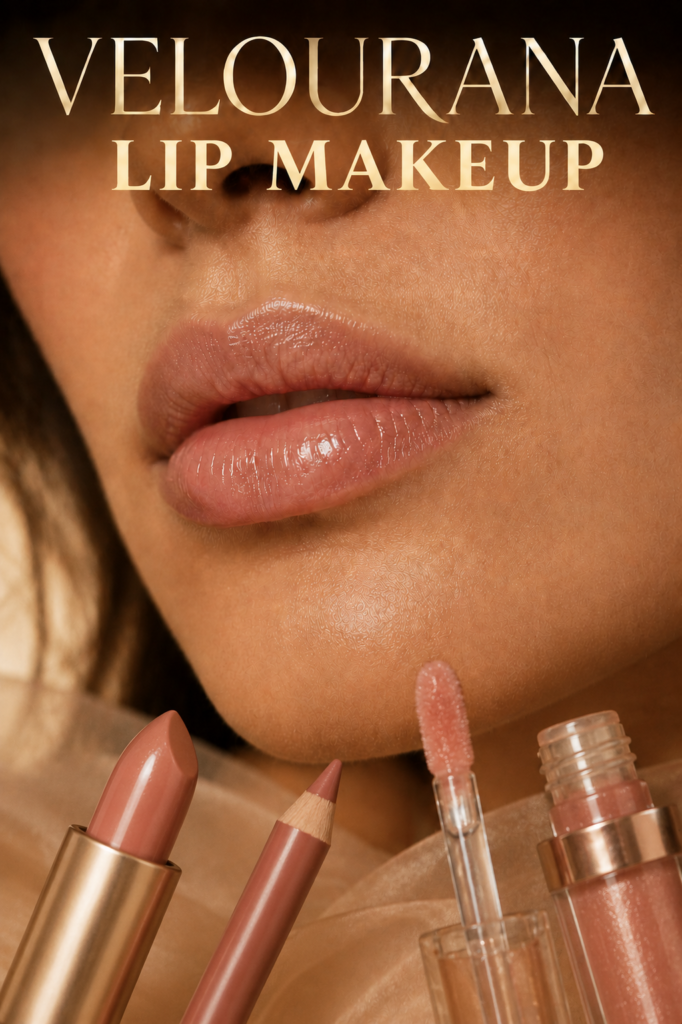
CATEGORY: Berry Lips
Berry lip color occupies a distinctive place in makeup because it can appear romantic, dramatic, polished, rebellious, or quietly sophisticated without losing its essential character. Inspired by the shifting tones of raspberries, blackberries, mulberries, cranberries, cherries, currants, and crushed grapes, the berry family stretches across a remarkably broad spectrum. Some shades are bright and juicy, carrying a lively mixture of pink and red. Others descend into wine, plum, burgundy, or nearly black violet. Between these extremes lies an expansive range of wearable colors capable of changing the entire atmosphere of a face.
Unlike a conventional red lip, which often announces itself with unmistakable confidence, a berry lip can be more elusive. It may retain the authority of red while introducing the softness of pink, the depth of purple, or the earthiness of brown. That complexity makes berry lipstick especially responsive to context. The same shade may appear crisp and glamorous against luminous skin, mysterious beside smoky eyes, relaxed when pressed into the lips as a stain, or contemporary beneath a layer of transparent gloss.
Berry colors also have an unusual relationship with natural lip pigmentation. Because many lips already contain traces of rose, mauve, brown, violet, or red, berry products frequently blend with the mouth rather than sitting entirely apart from it. This can produce a sense of harmony even when the shade is deep. The result is one reason berry lips remain relevant through changing trends: they offer visible color without always feeling artificial, and drama without necessarily demanding theatrical application.
Understanding the Berry Color Family
“Berry” is not a single standardized cosmetic color. It is a descriptive category shaped by undertone, depth, saturation, and finish. A sheer raspberry balm and an opaque blackberry lipstick may look radically different, yet both belong convincingly within the berry spectrum. What connects them is a recognizable fusion of red, pink, purple, blue, and occasionally brown.
At the brighter end of the range are strawberry-berry and raspberry tones. These colors tend to be lively, fresh, and strongly influenced by pink or cool red. They can create the visual energy of a classic red lipstick while feeling slightly more playful and less formal. Cranberry shades are often redder and more restrained, with enough blue or burgundy to prevent them from becoming orange. They are particularly effective when someone wants a statement lip that remains refined.
Mid-depth berry shades include mulberry, boysenberry, and rich rose-plum. These colors often balance pink, red, and purple in nearly equal measure. They are among the most adaptable members of the family because they can be softened into stains or layered until they achieve evening-level intensity. Wine shades introduce greater depth and usually a more pronounced burgundy character. Depending on their formulation, they may lean red, purple, or brown.
The darkest berry tones evoke blackcurrant, blackberry, damson, and deeply fermented wine. They can approach oxblood, aubergine, or blackened plum. Their impact comes not only from color but from contrast: a dark lip sharply defines the mouth and creates a strong focal point. Yet even these shades can be surprisingly wearable when applied transparently, blurred around the edges, or mixed with balm.
Brown changes berry color in an important way. A brown-infused berry tends to feel muted, grounded, and autumnal, while a blue-violet berry appears cooler, clearer, and more dramatic. Gray can lend a sophisticated smoky quality, whereas a stronger pink component makes the color brighter and more youthful. Understanding these distinctions is more useful than relying on a shade name, since cosmetic names are imaginative rather than technically consistent.
Why Berry Lipstick Changes With the Wearer
Lipstick never exists independently of the face on which it appears. Natural lip color, skin tone, undertone, surrounding makeup, lighting, and even clothing can influence how a berry shade is perceived. A tube that looks like a balanced plum may become distinctly pink on pale lips, red on more deeply pigmented lips, or purple when placed beside warm-toned skin.
The natural color of the mouth acts almost like an underlying layer of paint. Sheer formulas allow that layer to remain visible, so the final shade becomes a collaboration between product and wearer. Opaque formulas reduce this interaction but do not eliminate it completely, particularly around the lip line. This explains why swatches on an arm, a screen, or another person cannot perfectly predict the result.
Skin undertone also affects visual contrast. Cool undertones often echo the blue, pink, and violet notes found in many berry shades. The result can feel seamless and clear. Warm undertones may create a more noticeable contrast with blue-purple berries, which can be striking rather than unsuitable. Berry colors containing warm red, muted brown, or earthy wine notes may integrate more quietly with golden, peach, or olive complexions.
Olive skin deserves particular attention because it can contain both warmth and a green or neutral cast. Some grayish purple lipsticks may exaggerate sallowness, while vibrant raspberry, balanced wine, and rich red-berry colors often provide enlivening contrast. Neutral undertones generally have considerable flexibility, although the depth and saturation of the lipstick still influence whether the final effect feels harmonious.
The conventional practice of assigning fixed lipstick colors to fixed complexions can be unnecessarily restrictive. Undertone guidance may help explain a visual effect, but it should not be mistaken for a rule. A deliberately contrasting lip can be more compelling than a perfectly matched one. The meaningful question is not whether a berry shade is theoretically permitted, but whether it creates the mood, balance, and degree of intensity the wearer wants.
Berry Lips Across Different Skin Depths
On fair skin, berry lipstick can range from delicate to highly dramatic with very little product. Sheer raspberry and cool rose-berry shades can create a fresh flush, while deep blackberry produces a pronounced, almost storybook contrast. Because dark colors become especially visible against fair skin, precision and coverage may attract more attention. A softly blurred application can reduce severity, whereas a sharply outlined mouth enhances the graphic effect.
Light and light-medium skin tones often support a broad range of cranberry, raspberry, rose-plum, and medium wine shades. The strongest distinction may come from saturation. Clear berry tones energize the face, while muted mauves and brown berries create subdued sophistication. If a shade seems to drain warmth from the complexion, adjusting the blush can sometimes restore balance more effectively than abandoning the lip color.
Medium and tan complexions can carry richly saturated berry tones with natural ease. Mulberry, deep raspberry, burgundy, and red wine often remain visibly colorful without producing excessive contrast. Pale, milky berry shades may occasionally appear chalky if their base contains too much white pigment. More transparent formulas or shades with sufficient depth usually maintain greater harmony.
Deep skin tones provide a powerful setting for intense berry color. Blackberry, black cherry, aubergine, oxblood, deep wine, and vivid magenta-berry can appear dimensional and elegant. Colors that look nearly black in the tube may reveal sophisticated red or purple undertones once applied. Lighter berry colors can also be beautiful, particularly when their undertones are rich and the formulation avoids an ashy white base.
The relationship between lipstick depth and skin depth affects the nature of the statement. A medium berry may function as a bold lip on a fair complexion and as an understated everyday color on a deep complexion. Neither effect is more correct. They simply demonstrate that shade names describe the cosmetic itself, not the intensity it will create on every wearer.
Texture Determines the Character of the Color
The finish of a berry lip product can transform its meaning as decisively as the shade. Matte berry lipstick emphasizes pigment, shape, and structure. It tends to look deliberate and polished because reflected light does not soften the outline. Deep matte wine or blackberry shades can feel commanding, editorial, and formal. Their density also makes uneven edges or dry texture more noticeable, so the condition of the lips becomes part of the finished appearance.
Cream and satin formulations introduce subtle reflection that gives dark berry colors more movement. They can make the lips look smoother and fuller while preserving substantial color. Satin berry lipstick often occupies the middle ground between effortless and refined, making it especially adaptable for professional, social, and evening settings.
Gloss brings transparency and luminosity. A berry gloss can resemble stained glass, allowing natural lip tone to show through beneath a veil of red-purple color. Dark shades become less severe, while bright raspberry tones gain a juicy, almost liquid quality. Gloss can also alter perceived volume because highlights catch on the curves of the lips. However, deep glossy colors may migrate more readily and require greater attention around the edges.
A balm or tinted lip oil offers the most relaxed interpretation. These products distribute color unevenly by design, creating a living, variable surface rather than a perfectly uniform layer. The effect feels intimate and contemporary, particularly when the rest of the complexion remains natural. Berry balms are also useful for people who enjoy richer colors but do not want the visual commitment of full opacity.
Lip stains place color within the appearance of the lips rather than visibly coating them. A berry stain can imitate the aftermath of eating fruit or drinking red wine, producing color that seems to emerge from beneath the surface. Its translucency often makes it exceptionally wearable, although some formulas emphasize dryness or cling more strongly to certain areas. The beauty of a stain depends partly on accepting variation rather than expecting the uniformity of lipstick.
Metallic, pearl, and shimmer finishes offer another dimension. Fine reflective particles can illuminate a deep berry base, while cool pearl may intensify its purple character. These finishes can look festive or editorial, but their success depends on the scale of the shimmer and the surrounding makeup. A subtly reflective wine shade often feels luxurious; a highly frosted berry makes a more explicit stylistic statement.
Preparing the Lips Without Overworking Them
Berry pigment draws attention to the mouth, especially when the shade is dark or the finish is matte. Comfortable, supple lips therefore provide the best canvas, but preparation should remain gentle. Aggressive scrubbing can create irritation, microscopic damage, and temporary swelling, all of which may make lipstick application less even.
If the lips are flaky, softening them with a suitable balm and allowing loose skin to release naturally is often preferable to repeatedly polishing the surface. A mild lip exfoliant may be used carefully when needed, but exfoliation should not be treated as a compulsory ritual before every application. Lips that are cracked, bleeding, inflamed, or unusually sensitive benefit more from recovery than from cosmetic correction.
A thin layer of balm applied in advance can improve comfort. Excess balm should be allowed to absorb or be lightly blotted before opaque lipstick is added; otherwise, the pigment may slide, separate, or lose its intended finish. For sheer berry products, balm may remain part of the desired effect.
Foundation or concealer is sometimes placed over the lips to neutralize natural pigmentation. This can help reveal the precise shade of an opaque lipstick, but it may also produce dryness, heaviness, or a pale ring as the color wears away. A dedicated lip primer or a small amount of compatible liner generally creates a more flexible base. Natural lip pigmentation need not be erased unless it interferes with the intended result.
Preparation extends beyond texture. The outline should be clean, but it does not have to be perfectly symmetrical in a mathematical sense. Human lips naturally differ from side to side. Correcting every variation can lead to an overdrawn shape that feels disconnected from the face. The most convincing definition usually respects the existing structure while making subtle adjustments.
Liner, Shape, and the Architecture of a Berry Lip
Lip liner becomes particularly useful with saturated berry shades because it controls the boundary between color and skin. A liner close to the lipstick creates invisible support, while a slightly deeper liner adds dimension. A neutral liner matching the natural lip edge can also prevent migration without changing the berry color.
The first purpose of liner is structural. It can reinforce areas where the lip border is less distinct, balance the Cupid’s bow, and establish corners that might otherwise disappear beneath dark pigment. The second purpose is chromatic. Filling the entire mouth with liner can deepen the lipstick, increase longevity, and reduce the visibility of fading. Leaving the center lighter creates a subtle gradient.
A contrasting brown or plum liner can make berry lipstick feel more sculpted and modern. The transition should generally be blended unless a visibly outlined style is intentional. When the border remains too separate from the central color, the mouth can appear segmented. Soft layering creates depth while preserving cohesion.
Application from the bullet produces generous color and a natural degree of movement. A brush offers more control, particularly around the Cupid’s bow and corners. Pressing pigment onto the lips with a fingertip generates a diffused stain. None of these techniques is universally superior; each creates a different relationship between color and shape.
For a crisp effect, thin layers are usually more reliable than one heavy coat. The color can be applied, lightly blotted, and reapplied to build density. This process helps the pigment settle and reduces excess emollient material. The inner rim of the lips deserves attention, since a sharp contrast between dark lipstick and bare mucosa can become visible during speech. A lighter touch in that area can create a smoother transition.
A blurred berry lip follows a different logic. Color is concentrated toward the center and softened at the border, either with a finger, brush, or cotton swab. The result removes the formality associated with exact outlining and makes even very deep shades feel casual. The blur should appear intentional rather than simply worn away, which means the diffusion is best distributed around the entire perimeter instead of appearing in isolated patches.
Balancing Berry Lips With the Rest of the Face
A berry lip naturally becomes a focal point, but this does not mean all other makeup must disappear. Balance is created through relationships rather than rigid restrictions. The complexion, eyes, cheeks, and brows can either support the richness of the mouth or deliberately compete with it for a more expressive result.
Minimal eye makeup gives berry lips clarity. Defined lashes, softly structured brows, and quiet skin allow the color to carry the composition. This approach often makes a dark lip appear modern rather than heavily made up. A subtle wash of taupe, beige, soft rose, or muted plum can add definition without creating another dominant feature.
Smoky eyes and berry lipstick can coexist beautifully when their tones share a common atmosphere. Charcoal, chocolate, aubergine, and burnished bronze can all complement wine or blackberry lips. The overall effect becomes richer and more theatrical, especially in low evening light. Maintaining some luminosity in the complexion can prevent the combination from feeling visually dense.
Blush plays a crucial role because berry lips can change how color elsewhere on the face is perceived. A lipstick with cool violet notes may make a warm orange blush appear more pronounced, while a related rose or plum blush produces continuity. Exact matching is unnecessary. In fact, slight tonal variation often creates greater dimension. The important consideration is whether the cheeks appear disconnected, overwhelmed, or absent after the lip color is applied.
Bronzer can provide warmth against cool berry lipstick, while highlighter introduces light that contrasts with a matte mouth. Yet neither is mandatory. A softly matte complexion with a deep satin berry lip can feel composed and luxurious. A radiant complexion with glossy raspberry lips creates an entirely different freshness.
Clothing also participates in the balance. Black, navy, cream, gray, and camel allow berry lipstick to function almost like an accessory. Jewel tones such as emerald, sapphire, and amethyst intensify its richness. Red clothing can create either harmony or conflict depending on whether the red and berry undertones relate. Rather than seeking an exact match, it is often more effective to decide whether the combination should be tonal, complementary, or intentionally contrasting.
Daylight, Evening Light, and Seasonal Associations
Berry lipstick is frequently associated with autumn and winter because its wine, plum, and burgundy tones echo darker fabrics, lower light, and traditional seasonal palettes. This association is aesthetically persuasive but not binding. A transparent raspberry gloss can appear distinctly summery, while a bright cranberry stain brings freshness to spring makeup.
Lighting alters the color itself. Natural daylight reveals undertones and texture with relative honesty. A berry lipstick that seemed balanced indoors may show a stronger violet, red, or brown character near a window. Warm artificial light often softens blue tones and makes wine shades appear redder or browner. Cool LED light may emphasize purple and magnify surface dryness.
Evening settings allow deeper pigment to integrate more easily because reduced light lowers contrast. This is one reason blackened berry shades can look elegant at night while appearing more graphic during the day. Again, the daytime effect is not inherently undesirable; it is simply more conspicuous.
Seasonality can be expressed through finish as much as shade. Glossy, translucent berry feels fresh in warmer months, whereas velvet matte and dense satin convey autumnal richness. A single lipstick can move between seasons when the application changes. Dabbed lightly over balm, a dark wine becomes a soft bitten stain. Layered over liner, the same product becomes formal and enveloping.
Wear, Fading, and Realistic Maintenance
Deep berry lipstick has a reputation for being difficult, largely because its fading is easy to see. Pale areas at the center, migration beyond the lip line, or pigment collecting in texture create stronger contrast than they would with a nude product. Product choice and application can reduce these effects, but no conventional lip color remains visually untouched through unlimited eating, drinking, and conversation.
Long-wearing liquid formulas generally provide the greatest resistance to transfer, though comfort varies. Flexible modern formulations may feel relatively light, while others become tight or brittle. Applying too much can worsen cracking and uneven wear. A single controlled layer often performs better than repeated wet coats.
Traditional cream lipstick transfers more readily but is easier to repair. Because it remains emollient, fresh color can merge with the existing layer without producing a distinct patch. Matte bullets provide a useful compromise, offering substantial adherence with more forgiving reapplication than some liquid products.
Meals containing oils are particularly effective at dissolving long-wear pigment. Rather than rubbing the mouth, gently blotting and restoring the central color usually produces a cleaner result. Carrying the actual lipstick is more reliable than expecting liner alone to replace it, since liner and lipstick may have different finishes and undertones.
The best maintenance philosophy depends on the desired style. A sharply defined burgundy lip requires occasional checking because precision is part of its aesthetic. A stained or blurred berry lip can evolve more naturally. Its fading may enhance rather than damage the effect, provided the remaining pigment is reasonably even.
Removal deserves equal care. Persistent berry dyes may leave a temporary pink or red stain, particularly on dry areas. An oil-based or balm cleanser can loosen waxes and long-wear polymers without aggressive rubbing. Residual pigment can then be removed gently before a comfortable lip treatment is applied.
The Emotional Language of Berry Lips
Color carries cultural and emotional associations, although these associations change across eras and communities. Berry lipstick often suggests maturity without severity, sensuality without the explicit symbolism of classic red, and individuality without relying on unconventional color. It feels familiar yet complex.
Bright raspberry can communicate energy and wit. Cranberry carries a polished confidence. Mulberry feels romantic and literary. Wine suggests depth, elegance, and restraint. Blackberry introduces mystery and dramatic self-possession. These impressions are not fixed truths, but they help explain why selecting a berry lipstick can feel like choosing an attitude rather than merely coordinating a color.
The mouth is central to expression and communication, so emphasizing it naturally affects how the face is read. Deep pigment makes smiles, speech, and small movements more visible. For some wearers, this creates confidence; for others, it initially produces self-consciousness. Familiarity often changes that response. A shade that feels overwhelmingly dark during the first application may become completely natural after it has been worn in ordinary life.
Berry lipstick’s endurance comes from this capacity for reinvention. It can be elegant on one face, subversive on another, nostalgic in a matte vintage composition, or futuristic beneath a vinyl-like gloss. Its identity is stable enough to be recognizable but flexible enough to escape a single period or aesthetic.
Finding a Personal Version of Berry
Choosing a berry lipstick is less about discovering a universally perfect color than identifying the qualities that feel most compelling. Someone drawn to brightness may prefer raspberry or vivid cranberry. A wearer who values subtlety may gravitate toward muted rose-berry, brown plum, or sheer wine. Those seeking drama may find satisfaction in blackcurrant, aubergine, or blackened cherry.
Testing the color directly on the lips is the clearest evaluation when hygienic sampling is possible. The shade should be viewed in more than one type of light and considered with the makeup usually worn. Immediate impressions matter, but so does the color after several minutes, when visual unfamiliarity begins to fade.
Comfort, fragrance, taste, transfer, and ease of reapplication are as important as the initial shade. A beautiful lipstick that remains unused because it feels unpleasant is less successful than a slightly less spectacular color that becomes part of regular life. The ideal berry product supports both appearance and behavior.
There is also value in resisting the expectation that one berry lipstick must satisfy every context. A transparent balm, a polished satin, and a long-wearing matte serve different purposes even when their hues are related. Together, they reveal the breadth of the category.
Berry lips endure because they hold contradictions gracefully. They can be dark yet lively, classic yet modern, glamorous yet effortless. They invite precision but also look beautiful when softened and imperfect. Whether expressed as a whisper of raspberry or a saturated veil of blackberry, berry color gives the mouth depth, presence, and a distinctive form of elegance that never belongs entirely to one season.
THE END VELOURANA
 Discover More From Our Family of Websites
 ZodiacBearing (Astrology, Tarot, Numerology, Angel Numbers & Spiritual Guidance)
 Velourana (Beauty, Makeup, Hair Care, Skincare & Beauty Tips)
 HavenBearing (Home, Living, Organization, Décor & Everyday Inspiration)
 PawBearing (Pet Care, Dog Breeds, Animal Health, Training & Pet Products)
 PsyCatherine (Notes From the Journal of a Psychologist on Real Life)

