
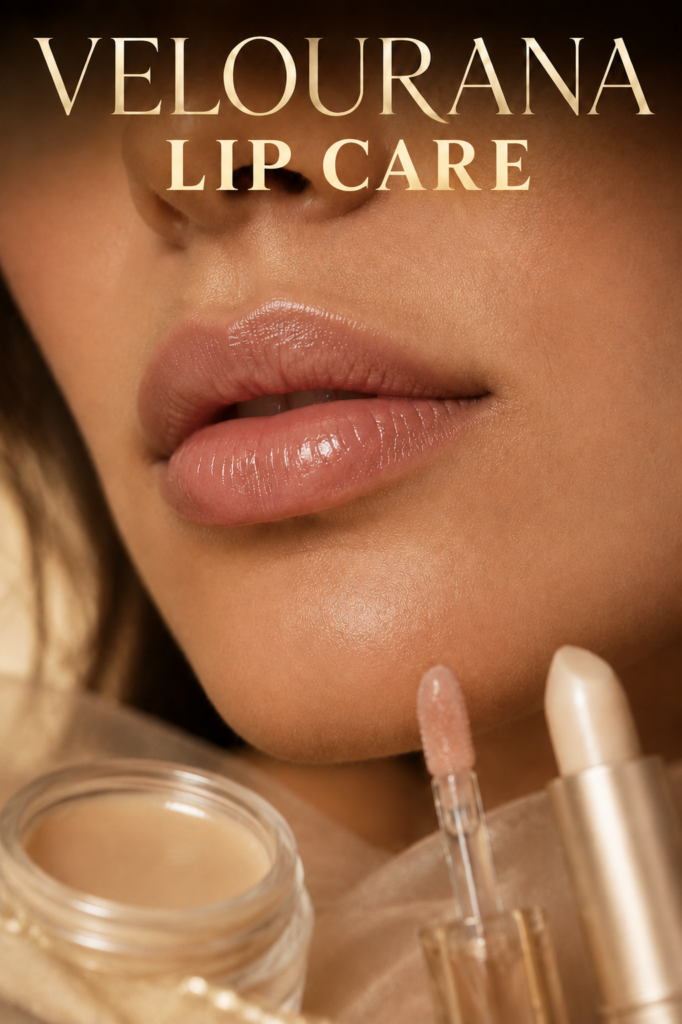
CATEGORY: Lip Oils
Tinted lip oils have reshaped the space between lip care and color cosmetics. They do not usually offer the precise opacity of lipstick, the firmness of balm, or the uninterrupted brilliance of a thick gloss. Instead, they create a translucent veil in which natural lip color, added pigment, emollient texture, and reflected light remain visible at the same time. This interaction gives tinted lip oil its characteristic freshness.
The product appears simple when swept across the mouth, yet achieving a flattering result involves several variables. The shade seen inside the tube may not match the final color on the lips. The natural depth and undertone of the mouth influence sheer pigment, as do the thickness of the applied layer, the presence of a stain, and the way the formula settles. A pale pink oil may look nearly clear on deeply pigmented lips, while a berry shade can become vivid on a lighter natural base.
Texture contributes just as much as color. A luminous film diffuses the appearance of dryness and makes the lips seem more dimensional, but a formula that is too mobile can migrate or wear unevenly. Pigment must remain suspended, shine must endure for a reasonable period, and the oil must feel comfortable rather than greasy. Tinted lip oil succeeds when all these qualities remain in balance.
Why Sheer Lip Color Behaves Differently
Opaque lipstick covers much of the natural lip tone, allowing the color of the cosmetic to dominate. Tinted lip oil works more like a transparent filter. Its pigments combine visually with the color underneath instead of replacing it. This is why swatches on white paper, a model’s arm, or another person’s lips cannot predict the result perfectly.
Natural lips contain variations in color. The upper lip may be deeper than the lower lip, the border may have more pigmentation than the center, and some areas may appear pinker, browner, or more violet. A translucent oil allows these differences to remain visible. For many wearers, that is part of its beauty: the finish looks integrated with the face rather than placed on top of it.
The same transparency can create disappointment when a shopper expects the tube color to appear with equal strength. Light nude shades may vanish on naturally deep lips, and cool colors may become warmer when layered over a warm base. To obtain a more noticeable result without sacrificing translucency, richer shades such as berry, brick, plum, raisin, red, or saturated rose are often more effective.
Application quantity influences color but only to a point. Adding another layer can deepen the tint and increase shine, yet excessive oil may become unstable and move beyond the lip border. If greater color intensity is required, choosing a more pigmented formula is usually preferable to applying a very thick coat of a nearly transparent one.
The Structure Behind a Tinted Oil
A tinted lip oil requires pigments or oil-soluble colorants to remain evenly distributed inside a fluid base. Without an appropriate suspension system, color could settle, separate, or apply inconsistently. Formulators therefore use thickening agents, polymers, emollients, and stabilizers to create a product that flows from the applicator but retains an even composition.
The oil phase may contain plant-derived oils, synthetic emollients, esters, or combinations of these materials. Botanical oils contribute recognizable ingredient stories and can provide softness and slip. Engineered emollients often improve gloss, reduce heaviness, and control how the formula spreads. A well-designed lip oil uses each material for a specific sensory or functional reason.
Pigments affect texture. A nearly clear oil can remain extremely light, whereas a formula with more color may need additional structure to keep the pigment suspended and evenly applied. This can make tinted versions feel more substantial than transparent ones. Staining dyes behave differently from suspended pigments because they can interact more directly with the moist lip surface and leave residual color after the glossy layer fades.
Flavor, fragrance, and cooling or plumping ingredients may also be included. They make the product more distinctive, but they do not improve color performance and may be unsuitable for sensitive lips. The most enjoyable formula is one in which sensory additions support the experience without causing stinging, persistent tingling, or dryness.
How Undertone Shapes the Final Shade
Undertone influences the relationship between lip color and the surrounding complexion, although it should not be treated as an inflexible rule. Warm-toned oils may contain coral, peach, terracotta, golden brown, or orange-red notes. Cool options may lean toward blue-red, mauve, raspberry, wine, or violet. Neutral shades balance these directions and can include rosewood, balanced red, soft brown, or muted berry.
A harmonious shade can appear effortless because it echoes colors already present in the face. Warm coral may enliven a golden complexion, while cool berry can clarify rosy or bluish undertones. Yet contrast can be equally attractive. A deliberately cool lip on warm skin, or a vivid orange-red against a cooler complexion, can create a striking modern effect.
Sheerness makes experimentation easier. Because natural lip color remains visible, many shades become more adaptable than their opaque lipstick equivalents. A bright red oil may read as a lively flush rather than a formal red lip. A deep plum can become a wearable berry veil. Brown can add depth without producing a heavy 1990s-style effect unless paired with a strongly defined liner.
Olive undertones present their own interactions. Some pale pinks may appear unusually bright, while nuanced rose, fig, brick, and balanced berry often integrate more smoothly. Again, individual lip pigmentation matters. Testing on the mouth provides better information than relying exclusively on conventional seasonal or undertone categories.
Matching Tint Depth to Natural Lip Pigmentation
Lip pigmentation affects the visibility of sheer color more directly than facial skin depth alone. Someone with fair skin may have naturally deep lips, while someone with a deeper complexion may have areas of lighter or uneven pigmentation. The relevant base is the lip itself.
On lightly pigmented lips, even delicate peach or pink oils may show clearly. Pale shades can look airy and fresh, while vivid colors can become surprisingly intense. A formula that leaves a stain may deepen rapidly, especially when reapplied throughout the day.
Medium natural pigmentation often supports a broad spectrum of shades. Rose, berry, coral, and brown tones can remain visible while blending with the natural base. Very pale beige oils may still disappear or produce only shine, depending on how much pigment they contain.
On deeply pigmented lips, saturated translucent shades tend to offer more reliable visibility. Rich red, burgundy, deep berry, mahogany, warm brown, and plum can enhance the natural tone rather than attempting to mask it. If the goal is a light nude appearance, a pigmented lip pencil or creamy base may be needed beneath the oil because a sheer pale tint cannot neutralize a deeper foundation by itself.
Uneven pigmentation can remain visible through lip oil. Some wearers appreciate the dimension, while others prefer a more uniform effect. A thin layer of pencil distributed across the lips can create a controlled base. The oil then supplies translucency and movement without being responsible for complete coverage.
The Difference Between Tint and Stain
A tinted oil contains visible color while it remains on the lips. Once the oil transfers or wears away, much of that color may disappear. A staining oil deposits dyes that continue to color the lip surface after the shine has faded. Product names do not always make this distinction clear, so wear tests are more useful than labels.
Non-staining oils are easy to change and generally fade softly. They suit users who enjoy switching shades or who do not want residual pigment at the end of the day. Their main limitation is frequent reapplication, particularly after meals.
Staining formulas create a longer-lived impression of color. The mouth can retain a healthy flush even when the glossy layer is gone. However, stains may intensify with repeated coats and become brighter than expected. They can also adhere unevenly to dry, cracked, or freshly exfoliated areas.
The inner portion of the lower lip often loses surface product first because of moisture, drinking, and contact with the mouth. A stain may remain around the outer areas and create a ring if it does not fade uniformly. Choosing a shade close to the natural lip tone makes this less conspicuous. Maintaining a smooth, comfortable surface also improves the result.
Removing a stain may require an oil-based cleanser or dedicated lip remover. Vigorous rubbing should be avoided because it can irritate the delicate tissue. A soft, saturated pad held briefly against the lips allows the remover to dissolve the color before it is wiped away.
Selecting a Nude Lip Oil
“Nude” does not refer to one universal beige. A convincing nude lip color relates to the wearer’s complexion, natural lip depth, and desired level of contrast. In a sheer oil format, the most successful nude often resembles an enriched version of the natural lips rather than a pale concealing shade.
Pink-beige and soft rose nudes can flatter lighter natural lip tones. Caramel, warm rosewood, and muted terracotta may suit medium pigmentation. Cocoa, mahogany, deep rose, and brown-plum oils can provide a natural-looking nude effect on richer lips. The intention is not always to make the product invisible but to create color that belongs naturally within the face.
An oil that is significantly lighter than the lips usually cannot deliver true lightening unless it contains enough opaque pigment. Instead, it may look milky, settle into lines, or produce a grey cast. This does not mean pale oils are unusable; they may work beautifully over a liner or lipstick that has already established the intended base.
A slightly deeper nude is often easier to wear than one that is too pale. Depth defines the mouth while translucency prevents heaviness. Brown or rose liner can strengthen the border and make a light oil appear more intentional, especially when the center is kept glossy and softly blended.
Rose, Berry, Red, and Coral Families
Rose shades are among the most adaptable in tinted lip oils because they echo colors naturally present in many lips. A balanced rose adds definition without looking strongly made-up. Dusty rose creates a muted effect, while bright pink rose feels youthful and lively. Deeper rosewood shades can function as sophisticated nudes.
Berry oils range from raspberry to blackberry and wine. Their cool or neutral depth makes them especially effective when the natural lips are strongly pigmented. A sheer berry can suggest the color left after eating fruit, creating drama without the precision demanded by opaque lipstick. Staining versions may become much brighter as layers accumulate.
Red lip oil offers a relaxed approach to a classic color. The transparency allows the edges to remain soft and the natural mouth to show through. Warm tomato red feels energetic, blue-red appears crisp, and brown-red provides depth. Because highly saturated red can migrate visibly, controlled application is important even when the formula looks sheer.
Coral and peach oils bring warmth and can brighten the complexion. Their visibility depends strongly on the natural lip base. On rosy lips, peach may become pinker; on brown or violet-toned lips, a light coral may be subdued. More saturated orange-coral formulas maintain their identity more effectively across different pigmentation levels.
Applying Color Evenly
Even application begins with comfortable lips. Dryness creates an irregular surface that catches pigment and stain. The answer is not forceful scrubbing but gentle conditioning. Allowing a balm to soften the lips before removing only detached flakes protects the surface and improves color distribution.
Before applying a tinted oil, excessive balm should be blotted. If a slippery layer remains underneath, the tint may move, separate, or disappear quickly. A small amount of conditioning product can remain when needed, but the surface should not feel saturated.
The applicator can deposit color first at the center of the lower lip, where the fullest effect is usually desirable. The product is then spread outward with less pressure. The upper lip requires attention around the cupid’s bow because excess fluid can blur the shape. A fingertip can soften any overly sharp or uneven edge.
Pressing the lips together helps distribute clear oils, but it may push pigmented formulas beyond the border or remove color from the inner areas. Gentle contact is enough. For deeper shades, it is better to inspect the result and adjust each section deliberately.
A second thin coat generally looks more even than one heavy layer. The first establishes color; the second adds depth and luminosity. If the formula begins to pool, adding more will not correct it. Blotting lightly and reapplying a controlled amount creates a cleaner result.
Using Lip Liner Without Losing the Oil Effect
Lip liner can support tinted oil while preserving its relaxed character. The key is to avoid creating an opaque, unblended ring unless that contrast is intentional. A pencil close to the natural lip tone defines the perimeter and helps contain a mobile formula.
The liner can be shaded slightly inward so that no abrupt boundary appears when the oil fades. For a fuller-looking mouth, the strongest pencil color can remain near the outer corners and border, while the central lips receive more oil and reflected light. This creates dimension through both shade and texture.
A brown liner changes bright pink or red oil into a more muted, grounded color. A rose liner warms a pale nude and makes it appear more integrated. Plum pencil adds depth to berry oil, while a red liner improves the clarity of a sheer red. These combinations expand the usefulness of a small collection without requiring many separate lip products.
Overlining should remain connected to the natural structure of the mouth. Lip oil reflects light and can make an artificial border more visible if it spreads beyond the pencil. Slight adjustment near the cupid’s bow or center of the lower lip is easier to maintain than drawing far outside the entire perimeter.
For lips with fine vertical lines, a colorless liner can create a subtle barrier. It does not add visible definition but may reduce migration. A firmer tinted oil may still be preferable because no liner can fully stabilize an extremely runny formula.
Pairing Lip Oil With Different Makeup Styles
Tinted lip oil naturally complements minimal makeup. Its transparency echoes the appearance of fresh skin, softly groomed brows, and lightly defined eyes. A rose or berry tint can provide enough color to animate the face without requiring foundation or elaborate contouring.
With dramatic eye makeup, a nude or muted tinted oil balances intensity. The reflective finish prevents the mouth from looking flat, while restrained color allows eyeliner or shadow to remain dominant. A deeper brown or plum oil can also support a smoky eye when the overall palette is intentionally rich.
Monochromatic makeup becomes more dimensional when similar color families appear in different textures. A soft rose blush, muted rose shadow, and rosewood lip oil share a common direction, but the glossy mouth adds contrast. Coral oil can perform the same role in a warm peach composition.
Tinted oil can also modernize formal makeup. Applied over a precise lipstick, it softens the surface and catches light. The combination will not wear as rigidly as lipstick alone, but the result may feel more comfortable and photographic. Concentrating oil at the center preserves more of the established shape.
Daytime Wear and Reapplication
Tinted lip oil is particularly suited to daytime because it can often be reapplied without a mirror. This ease depends on shade intensity. Clear, nude, and natural rose tones are forgiving, while saturated red or plum oils deserve more attention around the border.
Eating removes both shine and some tint. Oily foods can dissolve the film especially quickly because similar materials interact with one another. After a meal, the lips should be gently wiped before reapplication so that food residue does not enter the tube or interfere with the texture.
Layering repeatedly without removing old product can eventually create buildup at the inner rim of the lips. This mixture of oil, pigment, moisture, and natural surface material may appear as a pale or uneven line. Periodic gentle blotting keeps the finish fresh.
The need to reapply should not automatically be considered a defect. Lip oil is designed around flexibility, slip, and luminosity, qualities that naturally limit transfer resistance. A product promising extreme longevity may rely on staining dyes or a thicker adhesive film, changing the experience. Selecting between comfort and persistence is a matter of preference rather than a universal measure of quality.
Tinted Oils for Dry Lips
Tinted lip oils can make dry lips look smoother, but the reflective surface may conceal rather than correct dehydration. Emollients soften rough cells and reduce friction, while occlusive materials slow moisture loss. The level of protection varies considerably between formulas.
A dry-lip-friendly oil usually has enough body to remain present and does not depend heavily on fragrance, cooling agents, or irritating plumpers. Castor oil, jojoba-derived materials, stable plant oils, butters in fluid form, and modern cushiony emollients may contribute to comfort. No single ingredient guarantees performance.
If the lips feel increasingly tight as soon as the shine disappears, the formula may not provide sufficient protection or may contain an ingredient that does not suit the wearer. Reapplying constantly can hide this pattern. Comparing the condition of the lips before use and several hours later gives a more realistic impression.
For severe dryness, a treatment balm or plain ointment can be used at night, leaving tinted oil for daytime color. During recovery from cracking or irritation, non-staining formulas may be more comfortable because dyes can catch on damaged areas. Persistent inflammation deserves medical attention rather than repeated cosmetic experimentation.
Sensitive Lips and Potential Irritants
The mouth is exposed to food, toothpaste, skincare, makeup, and habitual touching, making the source of irritation difficult to identify. A lip oil may contain flavor, fragrance, preservatives, pigments, botanical extracts, or active plumping materials that trigger sensitivity.
Mint, menthol, citrus oils, cinnamon compounds, and capsicum-related ingredients are common sources of strong sensation. Some wearers enjoy the cooling or warming effect, while others develop dryness, burning, or redness. A product does not need to hurt in order to plump visually; shine alone can create a fuller appearance.
Natural extracts should be assessed with the same caution as synthetic fragrance. “Clean,” “green,” and “botanical” are marketing descriptions rather than guarantees of hypoallergenicity. People with a history of lip dermatitis may prefer bland, fragrance-free formulas and introduce only one new product at a time.
When irritation occurs, the oil should be removed gently and use discontinued. Repeated exposure can intensify a reaction. Significant swelling, blistering, breathing difficulty, or symptoms extending beyond the lips require prompt professional care.
Mature Lips and Changes in Texture
As the lips and surrounding skin change with age, they may become drier, less defined, or more prone to vertical lines. Tinted lip oil can restore a lively surface and make the mouth appear fuller through reflection. Its translucency also avoids the dense texture that some opaque lipsticks create.
The formula’s viscosity becomes particularly important. Very thin oil can travel into lines around the mouth, carrying pigment with it. A cushiony product with controlled flow is easier to manage. Liner applied along the natural border can restore definition and provide an additional barrier.
Strong pearlescent particles are not necessary for luminosity. A smooth wet-look finish often diffuses texture more effectively than obvious shimmer, which may settle unevenly. The goal is not to avoid shine but to choose a refined reflection that moves with the lips.
Color can compensate for reduced natural contrast. Rose, berry, red-brown, and warm plum oils define the mouth while remaining soft. Extremely pale shades may erase the lips, particularly when the surrounding complexion has also lost contrast. A slightly deeper tint often creates a healthier and more balanced appearance.
Lip Oil Through the Seasons
In spring and summer, coral, watermelon, cherry, and transparent pink oils complement lighter makeup and brighter clothing. Their fluid textures can feel effortless, although heat may make the formula thinner and more prone to leakage. Tubes should not be stored in direct sunlight or left inside a hot vehicle.
Autumn encourages richer translucent shades such as fig, brick, raisin, mahogany, and deep rose. These colors echo the season without producing the weight of opaque lipstick. A brown liner can make a summer pink oil feel more autumnal, extending its use.
Winter increases the need for protection. Berry, wine, and red oils create festive luminosity, but a decorative formula may not be enough in freezing wind. A protective balm underneath or a more occlusive treatment used between applications helps support comfort.
Seasonal color traditions are optional rather than restrictive. A bright coral can be striking in winter, and deep plum can create elegant contrast in summer. The sheer nature of lip oil already softens seasonal boundaries, allowing color to be interpreted with less formality.
Sun Protection and Outdoor Use
A shiny lip oil is not automatically protective against ultraviolet radiation. Unless the product carries a verified SPF claim and appropriate directions, it should be considered a color and conditioning product only. Botanical oils do not provide a dependable substitute for tested lip sunscreen.
A dedicated SPF lip product can be used as the protective base. It must be applied generously enough and renewed as directed, especially after eating, drinking, swimming, or wiping the mouth. A tinted oil layered above may improve appearance but should not be allowed to displace the protective layer.
Some sunscreen lip products are themselves glossy or tinted, reducing the need for an additional oil. When two formulas are layered, pilling, slipping, or migration may occur. Testing the combination before a long outdoor day prevents surprises.
People prone to recurrent sun-related lip problems need especially reliable protection and should seek medical guidance where appropriate. The cosmetic elegance of the top layer should remain secondary to verified sun defense.
Packaging, Cleanliness, and Stability
Tinted oils reveal contamination and deterioration less clearly than transparent products because the formula already contains color. Attention to smell, taste, consistency, and application remains important. A rancid or unusual odor can indicate oxidation of oils, while unexpected separation may suggest instability.
The applicator should not be shared. During an active cold sore or infection, continuing to use the same tube can contaminate it and complicate future use. Depending on the situation, discarding the product may be the safest choice.
Deep pigments can collect around the neck of the container. Wiping the exterior and closing the cap firmly reduces leakage. The product should be stored upright when possible and protected from extreme temperatures.
If lipstick is worn underneath, direct application can transfer color into the oil tube. This may alter a pale formula over time. Using a clean brush, fingertip, or disposable applicator preserves the original shade, especially for professional or shared makeup settings where strict hygiene is necessary.
Evaluating Value Beyond Marketing Claims
Lip oils are marketed with references to rare fruits, flowers, vitamins, precious plant oils, and advanced color technology. These details can enrich the product story, but value should be assessed through wear. A useful oil applies evenly, feels comfortable, provides the desired amount of color, fades acceptably, and remains stable in its package.
High price does not ensure superior conditioning, just as a low price does not imply poor formulation. Packaging, branding, distribution, pigment systems, and ingredient costs all influence retail price. Personal satisfaction depends on whether the wearer enjoys using the product often enough to finish it.
The quantity inside the tube matters because large applicators can create the impression of generous volume while depositing product rapidly. Comparing the stated net content offers a clearer picture. Frequent reapplication may make a small oil disappear quickly.
Shade duplication should also be considered. Because sheer colors allow the natural lips to dominate, several oils may look almost identical when worn. Testing existing products side by side can prevent unnecessary purchases. One reliable clear oil, one natural everyday tint, and one deeper expressive shade may cover a wide range of looks.
The Enduring Appeal of Tinted Lip Oil
Tinted lip oil reflects a broader shift toward makeup that remains flexible, sensory, and visibly connected to the person wearing it. Rather than constructing an entirely new mouth, it enhances the natural one through translucent color and moving light. Its imperfections—transfer, fading, variation between wearers—are closely related to the qualities that make it attractive.
The product rewards realistic expectations. It will not generally replace a long-wear liquid lipstick when absolute persistence is required. A sheer oil cannot neutralize every variation in natural pigmentation, and a decorative formula cannot heal every cause of damaged lips. What it can do is make color approachable, reapplication pleasant, and shine comfortable.
Choosing well means observing the lips rather than following the tube alone. Natural pigmentation, sensitivity, dryness, desired intensity, climate, and makeup style all influence the ideal formula. A shade should be evaluated on the mouth, and its texture should be judged after the first shine begins to settle.
When tint and texture work together, the result feels effortless but not insignificant. The lips appear smoother, fuller, and more expressive, while their natural variations remain part of the finish. That balance—between enhancement and transparency, treatment and adornment, polish and ease—is what gives tinted lip oil its lasting place in contemporary beauty.
THE END VELOURANA
 Discover More From Our Family of Websites
 ZodiacBearing (Astrology, Tarot, Numerology, Angel Numbers & Spiritual Guidance)
 Velourana (Beauty, Makeup, Hair Care, Skincare & Beauty Tips)
 HavenBearing (Home, Living, Organization, Décor & Everyday Inspiration)
 PawBearing (Pet Care, Dog Breeds, Animal Health, Training & Pet Products)
 PsyCatherine (Notes From the Journal of a Psychologist on Real Life)

