
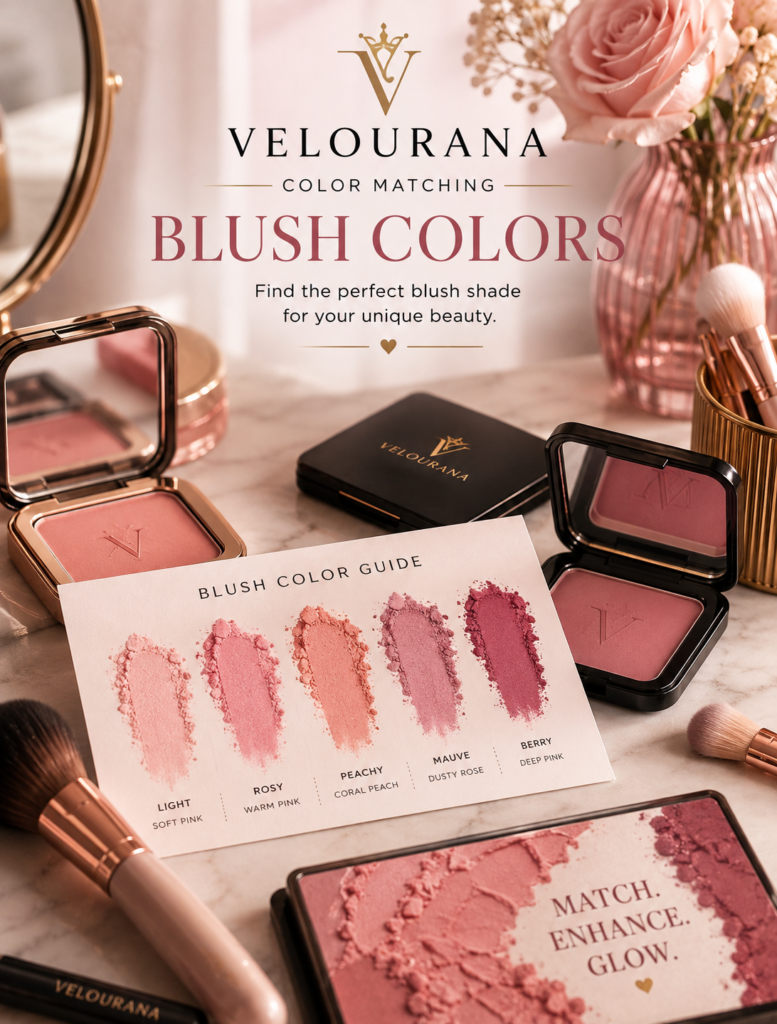
CATEGORY: Blush Colors
Terracotta blush sits in a fascinating territory between traditional blush and bronzer.
It can contain burnt orange, warm red, cinnamon, rust, clay, brown, brick, peach, or muted rose. Some terracotta shades look almost like deep peach. Others resemble sun-baked red earth. Some are brown enough to create subtle sculpting, while others contain enough red to produce a clearly flushed cheek.
This complexity is what makes terracotta so useful in color matching.
Instead of adding an obvious pink or berry color to the face, terracotta can create warmth that appears integrated with the complexion. On some skin tones, it produces the impression of naturally sun-warmed skin. On others, it creates deliberate earthy contrast. On deeper complexions, richly saturated terracotta can provide both warmth and visible cheek color without relying on pale pigments.
Yet terracotta is not automatically flattering simply because it is warm and muted.
A terracotta that contains too much brown may disappear on one complexion. A very orange version may overwhelm another. A pale beige-terracotta can become ashy on deeper skin. A deep rust that looks intimidating in the compact may become beautifully balanced once blended.
Understanding terracotta means understanding its mixture of red, orange, and brown—and how those colors interact with your own complexion.
What Makes a Blush Terracotta?
Terracotta takes its name from fired clay, so the color naturally suggests earthy orange-red and brown tones.
In cosmetics, however, terracotta covers a broad spectrum.
Peach-terracotta contains more soft orange.
Rose-terracotta contains additional red or pink.
Rust terracotta is deeper and more orange-red.
Cinnamon terracotta introduces warm brown.
Brick terracotta contains stronger red and brown.
Muted terracotta may contain beige or grey.
Deep terracotta can approach mahogany or burnt red-brown.
The exact mixture matters far more than the word printed on the packaging.
When looking at a terracotta blush, ask which component dominates.
Is it orange?
Red?
Brown?
Peach?
Rose?
That answer begins the color-matching process.
Why Terracotta Feels Naturally Warm
Terracotta generally contains orange, yellow, red, and brown characteristics.
These place it firmly within the warmer part of the color spectrum.
Against warm complexions, terracotta often creates harmony because the blush repeats colors already present in the skin.
Against cool complexions, the warmth becomes more noticeable.
This creates contrast.
Against neutral complexions, terracotta can actively shift the overall makeup toward warmth.
This is why terracotta should not be described simply as a blush “for warm undertones.”
It can be used to match warmth or deliberately introduce it.
Fair Warm Skin and Soft Terracotta
Fair warm skin can wear terracotta beautifully, but depth and concentration are important.
A traditional dark rust may become intense quickly.
Softer peach-terracotta, warm rose-brown, or light cinnamon can create the earthy effect without overwhelming the complexion.
The golden or peach characteristics in warm fair skin connect naturally with the blush.
Instead of appearing obviously brown or orange, a well-chosen terracotta can create subtle warmth and definition.
The effect is often more sophisticated than a bright peach blush because the brown component reduces saturation.
Fair Cool Skin and Terracotta Contrast
On fair cool skin, terracotta becomes visibly warm.
This can create a dramatic transformation.
A complexion that naturally supports cool pink and mauve may suddenly look warmer, earthier, and more autumnal when terracotta is introduced.
For a softer transition, rose-terracotta can be especially useful.
The red or rose component connects more easily with cool skin while the brown-orange component introduces warmth.
A strongly orange rust creates greater contrast.
The question is not whether the contrast is technically correct.
It is whether it creates the effect you want.
Fair Neutral Skin and Muted Terracotta
Fair neutral complexions can often wear muted terracotta particularly well.
Because the skin does not lean strongly warm or cool, the terracotta becomes a major influence on the temperature of the finished look.
A soft clay shade can create gentle warmth.
Rose-terracotta can retain more traditional blush character.
Cinnamon introduces stronger earthiness.
A sheer formula is particularly useful because it allows the natural complexion to soften the brown and orange pigments.
Medium Skin and the Natural Territory of Terracotta
Medium complexions often create an excellent background for terracotta.
The skin has enough depth to carry brown and rust pigments without the blush immediately appearing heavy.
Classic terracotta, cinnamon, burnt peach, warm brick, and clay-red can all create distinct effects.
This is where terracotta begins to blur beautifully with bronzer.
The blush provides red or orange color while the brown component adds subtle depth.
Instead of seeing a clear boundary between bronzer and blush, the cheek can appear naturally warm and dimensional.
Medium Warm Skin and Classic Terracotta
Classic terracotta often looks exceptionally harmonious on medium warm skin.
The orange-red characteristics relate to the warmth of the complexion.
Brown provides grounding.
The result can look like naturally intensified warmth rather than obvious colored blush.
This makes terracotta particularly useful for people who dislike visibly pink cheeks.
You still gain facial color, but the effect is earthier and more understated.
Medium Cool Skin and Rose-Terracotta
A strongly orange terracotta can create significant contrast against medium cool skin.
Rose-terracotta provides another option.
By increasing the red or rose component, the shade becomes easier to connect with cooler undertones while retaining its earthy character.
This creates warmth without moving completely into orange.
For deliberate contrast, however, classic rust or burnt orange can be striking.
The complexion becomes the cool background against which the warm blush becomes more noticeable.
Terracotta and Olive Skin
Terracotta and olive complexions often have a natural affinity.
Olive skin commonly contains yellow, golden, green, or muted characteristics. Earthy colors such as clay, rust, cinnamon, and muted red can interact beautifully with this complexity.
A bright clean orange might appear too vivid on some olive complexions, while the same orange muted with brown becomes far more integrated.
This is one reason terracotta can succeed where brighter coral sometimes feels too energetic.
The brown component changes the relationship.
Fair Olive Skin and Rose-Clay Shades
Fair olive skin may benefit from terracotta that retains noticeable rose or peach.
A very brown terracotta can sometimes make the complexion appear dull if there is insufficient color contrast.
Rose-clay introduces red vitality.
Peach-terracotta adds gentle warmth.
Soft cinnamon creates earthiness without excessive depth.
These shades preserve the character of terracotta while remaining lively enough for a lighter complexion.
Medium Olive Skin and Rust
Rust can look particularly striking on medium olive skin.
It contains orange-red warmth with enough depth to remain visible.
The muted quality of olive skin can soften the apparent intensity of rust, allowing a color that looks dramatic in the compact to become surprisingly harmonious.
This is especially effective with bronze, olive, khaki, chocolate, copper, and golden makeup palettes.
Deep Olive Skin and Rich Terracotta
As olive skin becomes deeper, richer terracotta shades can create beautiful definition.
Deep clay.
Burnt brick.
Mahogany-terracotta.
Rich rust.
Red-brown.
These shades provide enough depth to remain visible while maintaining the earthy relationship with the complexion.
A pale beige-terracotta may disappear or become chalky.
Greater saturation and richness generally create a more convincing result.
Deep Skin and Terracotta
Terracotta can be exceptional on deep skin because it does not need to rely on white pigment for visibility.
Instead, saturated orange, red, and brown create the color.
Deep terracotta can provide warmth while retaining sophistication.
Brick-red terracotta can create a stronger flush.
Burnt orange can create energy.
Mahogany adds depth.
Warm red-brown can appear almost naturally sculptural.
The important consideration is contrast.
If the terracotta is too close to the natural skin depth, it may disappear.
The blush needs enough difference in redness, warmth, or saturation to remain visible.
Deep Warm Skin and Burnt Terracotta
Deep warm skin can support rich burnt terracotta particularly well.
The warmth of the complexion connects naturally with orange and red pigments.
Brown prevents the color from becoming excessively bright.
The result can create an elegant transition between blush and bronzer.
For stronger cheek color, increase the red component.
For a more sculpted effect, increase brown.
For more vibrancy, move toward burnt orange.
Deep Cool Skin and Red Terracotta
On deep cool skin, traditional orange terracotta creates noticeable temperature contrast.
A red-terracotta or deep brick may provide a more balanced alternative.
The red creates a bridge toward the cool complexion while the orange-brown component retains earthy warmth.
If deliberate contrast is desired, a stronger burnt orange can look dramatic and sophisticated.
Color matching provides both options.
Peach-Terracotta Is the Softest Version
Peach-terracotta sits between traditional peach blush and earthy clay.
It contains warmth but usually less red and brown than classic terracotta.
This makes it an excellent introduction for lighter complexions or anyone accustomed to peach blush.
On fair skin, it can create gentle warmth.
On medium skin, it becomes an understated everyday option.
On deeper skin, choose a sufficiently rich version so the color does not disappear.
Rose-Terracotta Keeps More Traditional Blush Color
Rose-terracotta combines earthy brown-orange with rose or muted red.
This makes it one of the most versatile terracotta variations.
It provides the sophistication of an earthy blush while retaining enough red to look clearly like cheek color.
Cool and neutral complexions may find rose-terracotta particularly easy to integrate.
Warm complexions can wear it as a slightly cooler alternative to classic clay.
Cinnamon Blush Creates Warm Brown Definition
Cinnamon generally contains warm brown, muted orange, and subtle red.
It can create warmth without obvious brightness.
On medium, olive, and deep complexions, cinnamon can provide beautiful understated cheek definition.
On fair skin, a lighter or sheer cinnamon is easier to control.
Because brown is prominent, the shade may begin to behave like a blush-bronzer hybrid.
Rust Is More Intense
Rust contains stronger orange-red characteristics.
It is more saturated and often more dramatic than cinnamon.
Against warm and olive complexions, rust can look remarkably harmonious.
Against cool skin, its warmth becomes more obvious.
Rust is particularly effective when the makeup palette contains bronze, copper, gold, chocolate, or warm red.
Brick Terracotta Adds More Red
Brick introduces stronger red into the earthy mixture.
This can make it look more like conventional blush while retaining brown depth.
Brick is particularly useful on medium-deep and deep complexions because the red remains visible.
On lighter skin, a sheer brick application can create a sophisticated autumnal flush.
The difference between brick and rust is subtle but useful: brick generally reads redder, while rust often appears more orange.
Mahogany Creates Deep Earthy Color
Mahogany sits in the deeper red-brown territory.
It can function beautifully as blush on deep complexions because it provides sufficient depth and warmth without relying on bright pigment.
On medium skin, mahogany can become dramatic.
On fair skin, it requires exceptional restraint and may function more as an editorial color than an everyday blush.
Again, the same shade changes identity depending on the complexion beneath it.
Terracotta Versus Peach
Peach is generally lighter, fresher, and more orange-yellow.
Terracotta introduces brown and usually greater depth.
If peach feels too bright or youthful, terracotta can create a more subdued alternative.
If terracotta feels too heavy, moving toward peach-terracotta restores freshness.
These families connect naturally rather than existing separately.
Terracotta Versus Coral
Coral contains more pink or red brightness.
Terracotta is browner and earthier.
Coral creates energy.
Terracotta creates grounded warmth.
Someone who loves coral in summer may enjoy terracotta as a deeper variation when they want a more muted look.
Terracotta Versus Red Blush
Red blush emphasizes flushing.
Terracotta emphasizes warmth and earthiness.
Brick sits between the two.
If terracotta does not provide enough visible cheek color, moving toward brick-red may solve the problem.
If red feels too vivid, introducing brown can soften it into terracotta.
Terracotta Versus Bronzer
The boundary between terracotta blush and warm bronzer can become extremely narrow.
The main difference is usually the amount of red or orange.
Bronzer traditionally aims to create warmth and depth associated with sun exposure.
Terracotta blush adds a stronger flushed or colored component.
A brown-heavy terracotta may perform both functions at once.
This can be particularly useful in minimal makeup.
Can Terracotta Replace Bronzer?
For some looks, yes.
A terracotta blush swept across the cheeks and slightly toward the temples can create enough warmth and dimension that separate bronzer becomes unnecessary.
This works particularly well when the blush contains substantial brown.
However, the placement should remain deliberate.
Blush and bronzer traditionally emphasize different areas of the face, even when their colors overlap.
Terracotta With Bronzer
When both are used, avoid choosing colors so similar that the cheek becomes one indistinguishable brown-orange area.
A neutral bronzer paired with redder terracotta creates useful separation.
A warm bronzer with peach-terracotta produces smoother harmony.
The desired degree of distinction should guide the combination.
Terracotta and Foundation
Full-coverage foundation can make terracotta appear cleaner and stronger because the natural complexion has been neutralized.
On bare skin, terracotta mixes visually with natural redness, pigmentation, freckles, and undertone.
This often makes earthy blush look particularly natural.
A sheer cream terracotta over bare skin can create the impression of warmth emerging from the complexion rather than sitting on top of it.
Surface Redness Can Alter Terracotta
If the skin already contains visible redness, terracotta may appear redder once applied because the underlying color contributes to the result.
A brown-heavy terracotta can sometimes balance the impression of excessive pinkness by introducing earthier warmth.
However, it does not actually neutralize redness in the technical sense.
It changes the overall color balance perceived by the eye.
Terracotta and Golden Highlighter
Gold, bronze, and warm champagne highlighters naturally reinforce terracotta.
They create a cohesive warm cheek palette.
This can be particularly effective for evening makeup or summer looks.
A subtle golden sheen can also prevent a matte brown terracotta from appearing too flat.
Terracotta and Cool Highlighter
Pearl or icy highlighter introduces temperature contrast.
On cool skin wearing terracotta blush, this can help connect the warm cheek back to the complexion.
On warm skin, it creates a more deliberate mixed-temperature palette.
There is no requirement for highlighter and blush to share the same temperature.
Terracotta With Nude Lipstick
Terracotta and nude lipstick form a natural partnership.
Warm beige, caramel, peach-brown, cinnamon, and rose-brown lips can all create harmonious combinations.
The result can be polished without relying on obvious bright color.
A cooler mauve nude creates more contrast and can make the terracotta cheek appear even warmer.
Terracotta With Red Lips
Warm red and brick-red lipstick naturally coordinate with terracotta.
A blue-red lip creates stronger temperature contrast.
If the lipstick is highly saturated, keep the terracotta cheek relatively soft.
The earthy blush can support the lip without competing with it.
Terracotta With Brown Lips
Brown lipstick paired with terracotta can create a strongly monochromatic earthy palette.
To prevent the face from becoming visually flat, vary the depth.
A lighter terracotta cheek with deeper brown lips creates definition.
Alternatively, a rich cheek can accompany a softer caramel or rose-brown lip.
Terracotta With Bronze Eyes
Bronze eye makeup and terracotta blush share an obvious warm relationship.
Copper, gold, chocolate, caramel, and olive-gold can all integrate beautifully.
The result can feel cohesive and sophisticated.
Because so much warmth is present, a neutral lip may provide useful balance.
Terracotta With Cool Eyes
Grey, silver, taupe, navy, or cool plum eyes create stronger contrast with terracotta cheeks.
This can make the makeup more visually complex.
A neutral lipstick can act as a bridge between the two temperature families.
The combination demonstrates that successful color matching does not require every element of the face to belong to the same temperature.
Hair Color Changes the Effect
Copper and auburn hair naturally reinforce terracotta.
Golden blonde, caramel, and warm brunette hair also support its warmth.
Against silver, ash blonde, cool brunette, or blue-black hair, terracotta becomes more visibly warm.
A rose-terracotta can soften that contrast if desired.
Hair should be considered as part of the surrounding palette, not as a strict rule.
Terracotta and Clothing
Terracotta blush naturally coordinates with cream, camel, chocolate, olive, rust, mustard, warm beige, and other earthy clothing colors.
Blue and teal can create stronger contrast with its orange characteristics.
Green can make its red component more noticeable.
Black and white allow the cheek color to stand relatively independently.
These relationships can become especially important in photography.
Matte Terracotta Creates Structure
Terracotta works particularly well in matte formulas because its brown component can contribute to facial definition.
A matte cinnamon or clay blush swept upward can create a subtle sculpted effect.
However, matte pigment can appear denser than luminous pigment.
Begin with a small amount and build carefully.
Cream Terracotta Looks Softer
Cream formulas allow the natural complexion to remain visible underneath.
This can make a deep terracotta appear surprisingly wearable.
The skin visually mixes with the pigment.
For fair or cool complexions experimenting with terracotta for the first time, a sheer cream can provide an easier introduction than an opaque powder.
Luminous Terracotta Creates Sun-Warmed Skin
Add subtle golden luminosity and terracotta begins to resemble naturally sun-warmed skin.
This can be particularly attractive in summer.
However, strong shimmer can shift the product away from natural flush and toward decorative makeup.
Neither is wrong.
The finish simply changes the intention.
Placement Determines Whether Terracotta Reads as Blush or Bronzer
Apply terracotta primarily to the apples of the cheeks and it reads more clearly as blush.
Sweep it upward and outward and the effect becomes more sculptural.
Extend it toward the temples and it can begin resembling bronzer.
Blend a small amount across the nose and it creates a warmer sun-touched effect.
The color alone does not determine the product’s visual role.
Placement contributes enormously.
When Terracotta Looks Too Orange
If the blush appears excessively orange, move toward rose-terracotta, brick, or cinnamon.
Increasing red or brown reduces the clean orange effect.
You can also pair the blush with a neutral bronzer rather than another strongly orange cheek product.
Sometimes the problem is the entire palette rather than the blush alone.
When Terracotta Looks Too Brown
If terracotta makes the complexion appear dull or muddy, choose a version containing more red, peach, or rose.
Blush still needs enough color contrast to bring life to the face.
A shade that is almost identical to the natural skin depth may create shadow without visible freshness.
Moving toward brick or burnt peach can restore color.
When Terracotta Disappears
If the blush disappears into medium-deep or deep skin, applying more may simply create excessive product buildup.
Instead, increase saturation.
Choose deeper rust, brick, red-brown, or mahogany.
The objective is to create enough chromatic difference from the complexion for the blush to remain visible.
When Terracotta Looks Ashy
Ashiness usually comes from a terracotta containing too much pale beige, white, or grey relative to the complexion.
This is particularly relevant on deep skin.
Choose richer pigment rather than a pale earthy shade.
Deep terracotta can still look understated because brown naturally mutes the color.
It does not need white pigment to create softness.
Terracotta Is Not Only an Autumn Color
Terracotta is strongly associated with autumn because of its connection with rust, leaves, clay, and earthy browns.
But lighter peach-terracotta can work beautifully in spring.
Golden terracotta can complement summer skin.
Rose-terracotta can work throughout the year.
Seasonal associations can inspire makeup, but they do not determine whether a color belongs on your face.
Use Terracotta to Change the Mood of Your Makeup
Pink can make the complexion feel fresh.
Berry can make it richer.
Peach can make it warmer.
Terracotta introduces a distinctly earthy quality.
It can make makeup feel grounded, sophisticated, sun-warmed, understated, or dramatic depending on depth.
This is why changing only the blush can alter the character of an otherwise identical makeup look.
Finding Your Best Terracotta
Begin by identifying what kind of terracotta you are considering.
Peach-terracotta for softness.
Rose-terracotta for a more traditional blush effect.
Cinnamon for warm brown definition.
Rust for orange-red intensity.
Brick for greater red.
Mahogany for deep earthy richness.
Then compare its depth with your complexion.
A blush needs enough difference to remain visible, but not so much that it overwhelms unless drama is intentional.
Next consider temperature.
Warm complexions can use terracotta for harmony.
Cool complexions can use it to introduce deliberate warmth.
Neutral complexions can use it to shift the entire makeup palette warmer.
Olive complexions can explore the interaction between earthy reds, oranges, browns, and their own complex undertones.
Terracotta Shows Why Brown Belongs in the Blush Conversation
Blush is often imagined as pink.
Terracotta demonstrates how limited that definition can be.
A cheek does not need obvious pinkness to look healthy and dimensional.
Red can be softened with brown.
Orange can be grounded with clay tones.
Peach can be deepened.
Rose can become earthy.
The result is a family of colors capable of providing warmth, flush, and subtle structure at the same time.
Color matching makes those distinctions easier to use.
Instead of asking whether terracotta is “your color,” examine what is inside the particular shade.
Perhaps you need more rose.
Perhaps more orange.
Perhaps less brown.
Perhaps greater depth.
Perhaps a sheer formula rather than an opaque one.
Once those variables are understood, terracotta becomes much more than a fashionable earthy blush.
It becomes a highly adaptable color tool—one capable of warming the complexion, balancing a makeup palette, replacing some of the work of bronzer, or simply creating a sophisticated alternative to conventional pink cheeks.
The End
Velourana
 Discover More From Our Family of Websites
 ZodiacBearing (Astrology, Tarot, Numerology, Angel Numbers & Spiritual Guidance)
 Velourana (Beauty, Makeup, Hair Care, Skincare & Beauty Tips)
 HavenBearing (Home, Living, Organization, Décor & Everyday Inspiration)
 PawBearing (Pet Care, Dog Breeds, Animal Health, Training & Pet Products)
 PsyCatherine (Notes From the Journal of a Psychologist on Real Life)

