
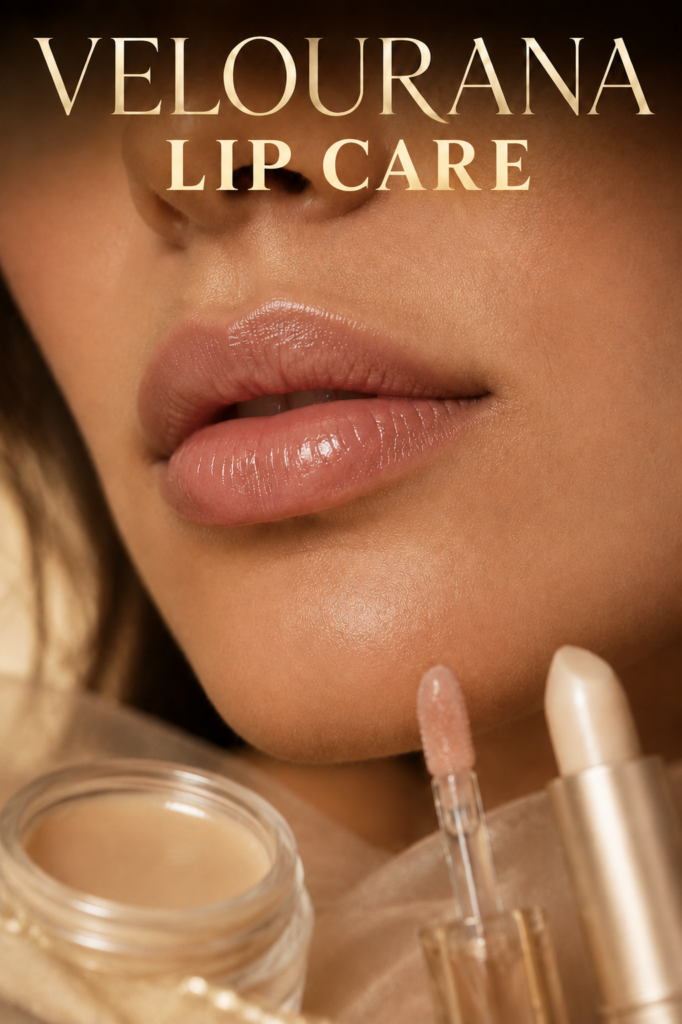
CATEGORY: Dry Lips
When Lip Dryness Becomes a Repeating Pattern
There is a particular frustration in applying lip balm repeatedly throughout the day while the lips continue to feel tight, rough, or uncomfortable. The surface may look temporarily smoother immediately after application, only for dryness to return within an hour. In some cases, the lips begin to peel, lipstick settles unevenly, or smiling causes a subtle pulling sensation. What appears to be a simple lack of moisture gradually becomes an ongoing cycle of discomfort.
This pattern usually develops because lip dryness is not always solved by adding more product. The lips may be losing moisture faster than a formula can replace it, reacting to an ingredient in the product itself, or struggling with environmental conditions that continuously weaken their protective barrier. Without understanding the cause, frequent application can become a temporary cosmetic adjustment rather than a meaningful solution.
A more effective approach begins with the idea of recovery. Instead of asking which product makes the lips feel soft for the next few minutes, it becomes useful to consider what the lips need in order to remain comfortable over time. That shift in perspective changes how ingredients are evaluated, how daily habits are understood, and how beauty routines are adapted when the lips become sensitive.
The lips are not designed to respond well to constant friction, repeated wetting, harsh exfoliation, or heavily fragranced treatments. Their delicate structure makes them especially dependent on gentle care and external protection. When those needs are met consistently, many cases of ordinary dryness improve without complicated routines.
Restoring comfortable lips is therefore less about finding an instant transformation and more about creating conditions in which the surface can recover. The process involves understanding the barrier, reducing irritation, selecting suitable textures, and recognizing when symptoms require professional attention.
Understanding the Lip Barrier and the Mechanisms Behind Moisture Loss
The concept of a skin barrier is often discussed in relation to facial sensitivity, but it is equally important for the lips. The barrier helps limit excessive water loss while protecting the surface from environmental stress. When it becomes disrupted, the lips may feel rough, sting more easily, or react to products that previously seemed comfortable.
Because the visible portion of the lips has a relatively thin outer layer, it does not possess the same level of natural protection as much of the surrounding facial skin. The lips are also less supported by the oil-producing mechanisms that help maintain flexibility elsewhere on the body. This makes them more susceptible to dryness during changes in weather, periods of low humidity, or repeated exposure to irritating substances.
Moisture loss occurs when water escapes from the surface faster than it can be retained. Wind, dry indoor air, sun exposure, and repeated contact with saliva can all accelerate this process. Once the lips become dry, their surface may develop small irregularities that make them feel less smooth and more vulnerable to further irritation.
Inflammation can intensify the problem. A lip product containing an unsuitable fragrance or flavoring may trigger redness or sensitivity, while repeated rubbing can disturb tissue that is already weakened. The resulting discomfort often encourages more touching, licking, or product application, creating a self-perpetuating cycle.
Barrier recovery requires both protection and patience. A suitable product can help reduce further moisture loss, but the lips also need relief from the behaviors and exposures that caused the disruption. This is why a simple formula applied consistently may outperform a more elaborate collection of treatments when dryness becomes persistent.
Understanding the barrier also clarifies why excessively aggressive solutions can fail. Removing flakes may create a temporarily smoother appearance, but if the underlying tissue remains inflamed or unprotected, the dryness is likely to return. Lasting comfort depends on supporting the surface rather than repeatedly forcing it to appear polished.
Why Some Lip Balms Seem to Stop Working
The belief that lips become addicted to balm is widespread, but the situation is usually more nuanced. A lip product does not necessarily create dependence in a biological sense. However, a formula may provide only a short-lived coating, fail to address the underlying cause of dryness, or contain ingredients that irritate the lips when used repeatedly.
Products that feel exceptionally light or glossy may disappear quickly through eating, drinking, speaking, or exposure to air. When the protective layer vanishes, the original dryness becomes noticeable again. This can create the impression that the lips require constant reapplication, even though the issue may simply be insufficient durability.
Highly flavored or fragranced formulas can contribute to a different problem. Their scent or taste may encourage unconscious lip licking, while certain ingredients can be uncomfortable for sensitive individuals. A product that initially feels refreshing may eventually become part of the irritation cycle if it consistently produces tingling, stinging, or redness.
Some formulations emphasize immediate sensory effects rather than sustained barrier support. Cooling ingredients, plumping agents, or strongly aromatic components may make the product feel active, but that sensation does not guarantee that it is helping the lips retain moisture. For already dry lips, a quieter formula is often easier to tolerate.
The texture of a product should also match the circumstances. A thin balm may be suitable for a comfortable afternoon indoors, while cold wind, air travel, or overnight dryness may require a more substantial ointment. When the same lightweight product is used in every setting, it may appear ineffective simply because the environment demands stronger protection.
Evaluating whether a balm is working involves more than noticing how the lips feel immediately after application. A genuinely useful product should gradually support improved comfort, reduce visible roughness, and lessen the need for constant reapplication as the barrier stabilizes.
Selecting Ingredients That Support Comfort Without Creating Irritation
Choosing a lip product becomes easier when ingredients are considered according to their function rather than their popularity. The most relevant categories are those that help attract moisture, soften the surface, and reduce evaporation. A well-designed formula may combine these functions, but simplicity can be especially valuable when the lips are reactive.
Humectants help hold water within the surface layers. Ingredients such as glycerin are often used for this purpose because they contribute to a more hydrated feel. However, humectants generally perform best when the formula also contains protective substances that help prevent water from escaping too quickly.
Emollients improve softness and flexibility. They can help smooth rough areas and make the lips feel less tight during ordinary movement. Depending on the formulation, these may include oils, butters, or other conditioning ingredients. Individual sensitivity remains important, since even naturally derived ingredients can cause reactions in some people.
Occlusive ingredients create a protective layer that limits moisture loss. Petrolatum is widely recognized for this role, while certain waxes and other barrier-forming substances can also contribute. For very dry lips, an uncomplicated ointment may provide more reliable protection than a heavily scented balm with a complex ingredient list.
Ceramides and other barrier-supporting components may also appear in lip treatments designed to improve overall surface resilience. Their usefulness depends on the complete formulation rather than the presence of a single highlighted ingredient. Packaging claims should never override the practical question of whether the product feels comfortable on the lips.
Ingredients associated with intense cooling, strong fragrance, or noticeable stinging deserve caution when dryness is already present. A lip product should not need to burn in order to be effective. If discomfort appears immediately after application or becomes more noticeable over time, the formula may be unsuitable.
Ultimately, the best product is not necessarily the most expensive or elaborate. It is the one that supports softness, reduces irritation, and fits naturally into the conditions the lips encounter each day.
The Role of Overnight Care in Repairing Dry, Tight Lips
Nighttime provides an opportunity for the lips to remain relatively undisturbed by eating, drinking, lipstick, and repeated outdoor exposure. This makes evening care especially useful for people whose lips become tight or rough during the day. A protective product applied before sleep can help reduce overnight moisture loss and support a more comfortable surface by morning.
The effectiveness of overnight care depends partly on the sleeping environment. Heated rooms, air conditioning, fans, and low humidity can all increase dryness while the body rests. Mouth breathing may further expose the lips to moving air, particularly when nasal congestion or snoring is present.
A richer ointment often works well at night because it remains on the lips longer than a very light balm. Its purpose is not to create an excessively thick cosmetic coating, but to form a stable protective layer that reduces evaporation. When the lips are particularly sensitive, a simple fragrance-free formula may be preferable to a strongly flavored overnight mask.
Evening application is most helpful when the lips are clean and free from irritating cosmetic residue. Gentle makeup removal matters because long-wearing lip colors can leave pigments or film-forming ingredients behind. Rubbing aggressively to remove them may worsen dryness before nighttime care has even begun.
People sometimes assume that overnight lip masks must contain exfoliating acids or powerful active ingredients to justify their name. In reality, the most valuable function of an overnight treatment is often straightforward barrier support. A product that feels comfortable, remains in place, and does not provoke irritation may be more beneficial than a formula designed to produce dramatic immediate sensations.
Morning condition can provide useful feedback. If the lips consistently feel less tight after a simple protective treatment, the routine is likely supporting recovery. If they wake feeling more irritated, the product itself or the surrounding sleep environment may need reconsideration.
Dry Lips and Makeup: Maintaining Comfort Without Sacrificing Appearance
Dry lips can make makeup application more difficult because uneven texture interferes with how pigment and shine settle on the surface. Matte lipstick may emphasize flakes, long-wearing formulas can feel rigid, and even a sheer tint may cling to rough patches. The result is often disappointing not because the color is unsuitable, but because the lips need better support.
Preparation should focus on comfort rather than aggressive smoothing. Applying a gentle balm before makeup allows the lips to become more flexible, although excessive product may need to be lightly blotted before certain lipstick formulas are applied. The goal is to create a balanced surface rather than a slippery layer that prevents color from adhering.
When the lips are actively peeling or sore, creamy lipsticks, tinted balms, and flexible glosses are often more comfortable than very dry matte products. This does not mean matte finishes are inherently harmful, but their feel can become less forgiving when the barrier is compromised.
Long-wearing formulas deserve particular attention because they may remain in contact with the lips for many hours. Some people tolerate them well, while others notice increasing tightness as the day progresses. Reducing wear time or reserving such products for specific occasions can help prevent repeated discomfort.
Removal is just as important as application. A suitable cleanser or makeup remover should loosen pigment without requiring vigorous rubbing. Repeated friction from cotton pads, tissues, or rough cloths can damage the surface and make the lips feel raw.
Lip liners may also affect comfort when applied repeatedly over dry edges. A softer formula can help avoid dragging, while precise application should never require stretching or pressing harshly against sensitive tissue. The visual result is usually more attractive when the lips remain relaxed and hydrated.
A successful makeup routine respects the condition of the lips instead of attempting to conceal every sign of dryness through heavier layers. When barrier recovery becomes the priority, cosmetic products often perform better naturally because the surface beneath them is smoother and more comfortable.
Exfoliation, Peeling, and the Risks of Overcorrecting Texture
Flaking lips can create a strong temptation to scrub, peel, or buff away every rough patch. Social media imagery and beauty marketing sometimes reinforce the idea that smooth lips require frequent exfoliation. However, the presence of flakes often indicates that the surface is already stressed, and aggressive removal can deepen that stress.
The lips are not equivalent to thicker areas of body skin that may tolerate more intensive polishing. Their delicate surface can become irritated by coarse sugar scrubs, stiff brushes, rough towels, or repeated rubbing. What begins as an attempt to improve texture may leave the lips red, tender, or more likely to crack.
Picking at loose skin is particularly risky because partially attached flakes can pull away healthy tissue beneath them. This may create small wounds that sting when exposed to food, toothpaste, or cosmetics. It can also prolong the recovery process by repeatedly disturbing areas that are trying to settle.
A gentler approach involves allowing dry skin to soften under a protective balm or ointment. Once the surface becomes more flexible, loose material may detach naturally without force. If the lips remain rough despite consistent protection, the underlying cause is more important to investigate than the immediate appearance of the flakes.
Chemical exfoliants also require caution. Ingredients used successfully in facial skincare are not automatically appropriate for the lips, especially when the barrier is inflamed. Products that cause burning or persistent sensitivity should not be treated as evidence that the treatment is effective.
There are circumstances in which a very gentle approach to surface smoothing may be tolerated, but it should never become a repetitive response to recurring dryness. If the lips need frequent exfoliation simply to appear presentable, the routine is probably overlooking ongoing irritation or insufficient protection.
True smoothness results from a healthier surface, not from repeatedly removing visible evidence of barrier disruption. Respecting that distinction can prevent many of the setbacks that make dry lips feel impossible to resolve.
Recognizing Allergic Reactions, Inflammation, and Persistent Symptoms
While ordinary environmental dryness is common, not every lip problem can be managed through cosmetic care alone. Persistent irritation may reflect contact dermatitis, an inflammatory reaction associated with substances that repeatedly touch the lips or surrounding skin.
The responsible trigger may be found in lipstick, balm, toothpaste, mouthwash, dental materials, food flavorings, or skincare products applied near the mouth. Fragrance, strong flavoring, and certain preservatives can be relevant for some individuals, although the specific cause varies from person to person.
Symptoms may include burning, itching, redness, scaling, or swelling. The skin around the mouth can also become involved, making the problem appear broader than simple lip dryness. When symptoms continue despite switching to a gentle routine, professional assessment may help identify the source.
Cracks at the corners of the mouth require separate consideration. These areas can become irritated by saliva, repeated stretching, or other contributing factors, and persistent soreness may not respond adequately to ordinary balm. A healthcare professional can determine whether additional treatment is needed.
Medication-related dryness is another possibility. Certain treatments can alter skin moisture, increase sensitivity, or reduce natural oil production, leaving the lips particularly vulnerable. The timing of symptom onset may help clarify whether a medication change is relevant.
Persistent sun-related changes should also be taken seriously. A rough patch that does not improve, repeated bleeding, unusual thickening, or a sore that fails to heal deserves medical evaluation. This is particularly important when the lower lip has experienced substantial cumulative sun exposure.
Recognizing these warning signs allows lip care to remain appropriately balanced. Most dryness is manageable, but symptoms that are severe, persistent, or visibly unusual should not be hidden indefinitely beneath layers of cosmetic product.
Environmental Protection as a Daily Beauty Essential
The lips often receive less deliberate environmental protection than the rest of the face, despite being highly exposed. People may apply facial sunscreen, choose a rich moisturizer, and wear protective clothing while leaving the lips vulnerable to wind, sunlight, and dry air. Closing that gap can make a noticeable difference in comfort.
Sun protection is particularly important because the lips are regularly exposed during walking, driving, outdoor dining, and exercise. A lip product with suitable SPF can help protect delicate tissue, especially when reapplied according to the circumstances and the product’s instructions. The lower lip often requires particular attention because of its position and exposure.
Wind protection becomes more relevant during colder seasons or outdoor activities near the sea, in open landscapes, or at higher elevations. A richer balm can create a physical layer that reduces the immediate drying effect of moving air. Applying it before exposure is generally more useful than waiting until discomfort has already developed.
Indoor air also deserves attention. Heated offices, air-conditioned rooms, and long periods of travel can quietly contribute to dryness even when the weather outdoors feels mild. Recognizing these settings as potential triggers helps explain why lip discomfort may persist throughout the year.
Protective care should adapt to routine rather than depend on occasional rescue treatments. Someone who spends much of the day outdoors may need a different texture and reapplication pattern from someone working in a climate-controlled office. The most useful routine is the one that reflects actual exposure.
Environmental awareness also reduces the temptation to blame every episode of dryness on dehydration or a particular cosmetic product. In many cases, the lips are simply responding to cumulative conditions that make moisture retention more difficult.
When protection becomes a consistent habit, the lips are better prepared to maintain comfort instead of repeatedly cycling between irritation and temporary relief.
Creating Lasting Lip Comfort Through Consistency and Restraint
The most effective response to dry lips is often less dramatic than beauty marketing suggests. Rather than relying on a succession of scrubs, masks, plumpers, flavored balms, and intense treatments, the lips usually benefit from a calmer routine that emphasizes protection and tolerance.
Consistency allows the barrier to recover without being repeatedly challenged by new ingredients. A simple product applied at appropriate moments can reduce moisture loss, soften roughness, and make habitual lip licking less tempting. Over time, the lips may become less reactive because they are no longer exposed to the same cycle of irritation.
Restraint is equally important. When dryness appears, it can be tempting to exfoliate more aggressively, apply increasingly strong treatments, or switch products every day. These responses may create additional disruption. Allowing the lips time to settle under gentle care is often the more productive choice.
The relationship between lip health and appearance becomes clearer as recovery progresses. Lipstick applies more evenly, the surface reflects light more naturally, and ordinary facial expressions feel less uncomfortable. These improvements are not separate cosmetic benefits; they are visible signs that the lips are becoming more flexible and better protected.
A sustainable routine also leaves room for professional guidance when necessary. Persistent symptoms, recurrent cracking, swelling, unusual lesions, or dryness associated with broader health concerns should be evaluated rather than treated indefinitely as a minor beauty inconvenience.
Comfortable lips are not defined by constant shine or the absence of every natural line. They are characterized by resilience, softness, and the ability to function normally without repeated irritation. Achieving that condition depends on understanding the lips’ vulnerability and responding with care that is protective, uncomplicated, and consistent.
When daily habits, environmental awareness, and suitable ingredients work together, dry lips become easier to manage. The result is not merely a smoother cosmetic surface, but a healthier relationship with one of the face’s most delicate and expressive features.
THE END VELOURANA
 Discover More From Our Family of Websites
 ZodiacBearing (Astrology, Tarot, Numerology, Angel Numbers & Spiritual Guidance)
 Velourana (Beauty, Makeup, Hair Care, Skincare & Beauty Tips)
 HavenBearing (Home, Living, Organization, Décor & Everyday Inspiration)
 PawBearing (Pet Care, Dog Breeds, Animal Health, Training & Pet Products)
 PsyCatherine (Notes From the Journal of a Psychologist on Real Life)

