CATEGORY: Puffiness
Puffiness around the eyes has an unusual ability to change the entire expression of the face. A small amount of swelling beneath the lower lids can make someone appear tired after a perfectly reasonable night's sleep, while fullness around the upper lids can make the eyes seem heavier or less defined. On some mornings the change disappears almost as quickly as it arrived. At other times, what initially looks like temporary swelling gradually becomes a more persistent feature of the eye area.
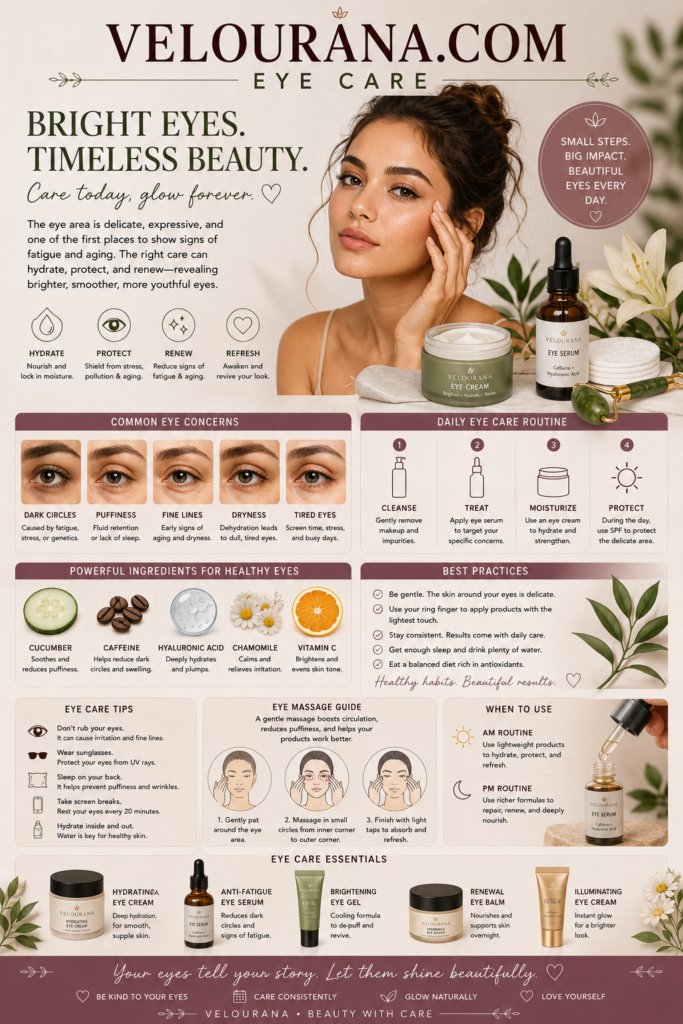
This is one reason eye puffiness can be frustrating. The word describes an appearance rather than a single condition. Fluid accumulation, irritation, allergies, sleep patterns, crying, genetics, ageing and the natural structure surrounding the eyes can all contribute to visible fullness, yet they do not necessarily behave in the same way or respond to the same skincare approach.
The eye contour is particularly revealing because its skin is thin and the underlying anatomy is complex. Small changes that would barely be noticeable elsewhere on the face can become obvious around the eyes. Understanding what creates that appearance is therefore more useful than simply searching for the strongest product promising to "de-puff" the area. Good eye care begins with recognising whether the fullness is temporary, recurring or increasingly structural, then treating the delicate skin accordingly.
Why the Eye Area Shows Swelling So Easily
The skin surrounding the eyes is among the thinnest and most delicate on the face. Beneath it lies a network of blood vessels, connective tissue, muscles and fat that supports and protects the eye. Because there is relatively little distance between these structures and the visible surface, changes underneath can quickly influence what we see in the mirror.
Fluid movement is an important part of the picture. Throughout the body, fluid continually moves between tissues and circulation. The lymphatic system helps return excess fluid from tissues, but this movement can be affected by body position, inflammation and other temporary circumstances. After spending several hours lying horizontally during sleep, some people notice more fluid around the face and eyelids upon waking. Once they are upright and moving, the appearance may gradually diminish.
This explains the familiar pattern of waking with noticeably puffy eyes that look much more defined an hour or two later. The skincare used during those hours may help the area feel comfortable or refreshed, but normal fluid redistribution can also be responsible for part of the improvement.
The visibility of swelling also depends on individual anatomy. Some people naturally have deeper-set eyes, while others have more prominent lower-lid contours or fuller tissue surrounding the orbit. These differences can influence how shadows fall and how even subtle swelling is perceived. What appears dramatic on one face may be almost invisible on another.
The Difference Between Temporary Puffiness and Persistent Fullness
One of the most useful distinctions is whether the appearance changes substantially throughout the day. Temporary puffiness often fluctuates. It may be strongest in the morning, after crying, during seasonal allergy periods or following an unusually short night. When the triggering circumstances settle, the eye area tends to return closer to its usual appearance.
Persistent under-eye fullness behaves differently. It may remain visible throughout the day and change relatively little despite cooling products, additional sleep or adjustments to skincare. Genetics can play a considerable role. Some people naturally have more prominent tissue beneath the eyes even when young, and similar characteristics may be visible among family members.
Ageing can make this structural fullness more noticeable. The tissues supporting the eye area change over time, and the distribution of fat around the orbit can become more apparent. At the same time, skin gradually loses some of its firmness and elasticity. Together these changes can create the appearance commonly described as under-eye bags.
This distinction matters because topical cosmetics have limits. A cooling eye gel may temporarily improve the appearance of mild morning swelling, and a moisturising formula can make dehydrated skin look smoother. Neither can fundamentally rearrange anatomical structures beneath the skin. Understanding that boundary prevents people from repeatedly changing products in pursuit of a result that skincare alone cannot realistically provide.
There can also be a combination of both patterns. Someone may have naturally prominent lower-eye contours that become considerably more noticeable after poor sleep or during allergy season. The permanent structure remains, while temporary swelling exaggerates it.
Sleep, Position and the Morning Eye Contour
Sleep and puffiness are frequently discussed together, although the relationship is more nuanced than the idea that tiredness simply creates eye bags. Sleep disruption can influence how rested the entire face appears, while spending hours in a horizontal position can contribute to temporary morning fluid accumulation around susceptible eyes.
The result can be especially visible immediately after waking. Upper eyelids may look heavier, the lower contour may appear rounder and existing shadows can become more pronounced because swelling changes the way light falls across the area.
Sleep position may also influence fluid distribution. This does not mean there is one universally correct position that guarantees completely smooth eyes every morning. Individual anatomy, comfort and health considerations matter. The more useful observation is that morning puffiness that naturally improves after getting up is behaving differently from fullness that remains unchanged all day.
A consistent sleep routine can support the general appearance of the complexion, but eye care should not turn sleep into another beauty performance that must be perfected. Even people with excellent sleep habits can experience puffiness because genetics, allergies, ageing and anatomy remain relevant.
The same principle applies after an unusually late night. The temptation is often to compensate with aggressive treatments the following morning. Delicate eye skin usually benefits more from restraint. Cooling, comfortable hydration and avoiding unnecessary friction are generally more sensible cosmetic responses than layering numerous highly active formulas onto already tired-looking skin.
Irritation, Allergies and the Cycle of Rubbing
Not all puffiness is primarily about fluid redistribution during sleep. Irritation can produce swelling around the eyelids, and the behaviour that follows irritation can intensify the appearance.
When eyes itch, rubbing them feels instinctive. Unfortunately, repeated rubbing places mechanical stress on exceptionally delicate skin. It can increase temporary redness and swelling while making an already uncomfortable area feel more reactive. Someone may then apply additional eye products to correct the appearance, potentially creating another source of irritation.
Seasonal allergies can make this cycle particularly noticeable. Watery or itchy eyes encourage touching, while the surrounding tissues may already appear swollen. In such circumstances, treating the area as though it merely needs a stronger cosmetic is unlikely to address the real source of the problem.
Cosmetics themselves can sometimes contribute. Fragrance, certain active ingredients or products accidentally migrating too close to the eyes may cause discomfort in susceptible individuals. Even a formula that works beautifully elsewhere on the face is not automatically suitable for the eyelids.
The practical lesson is not that the eye area must be treated as impossibly fragile. It is that persistent burning, itching or sudden swelling should not be regarded as evidence that a product is "working." Skincare should support comfort. When a particular product repeatedly coincides with irritation, continuing to apply it simply because it promises dramatic results is rarely sensible.
Sudden, severe, painful or unexplained swelling deserves a different response from ordinary cosmetic puffiness. Particularly when swelling is pronounced, affects one side unexpectedly, interferes with vision or accompanies other concerning symptoms, professional medical assessment is more appropriate than experimenting with eye creams.
Cooling and the Appeal of the Immediate Result
Cooling treatments remain popular for puffy eyes because they can feel remarkably refreshing. A cool compress or chilled eye product may temporarily reduce the appearance of mild swelling while providing an immediate sensation of relief.
The key word is cool rather than aggressively cold. The eye contour does not need an extreme temperature to feel refreshed, and direct application of very cold or frozen objects can be unnecessarily harsh. Gentle cooling respects the skin barrier while still delivering the sensory effect people are usually seeking.
There is also an important psychological dimension to cooling eye care. Puffiness is often most noticeable first thing in the morning, exactly when people want an immediate improvement before beginning the day. A refrigerated gel or cool compress provides a ritual with an instant sensory reward. That does not make it meaningless, but the visible result should be understood realistically.
Temporary fluid-related swelling may respond more noticeably than structural under-eye bags. If the lower-eye contour is largely determined by anatomy, cooling cannot permanently remove it. It may still make the skin feel refreshed and slightly less swollen, but it should not be expected to transform underlying structure.
This difference between temporary cosmetic improvement and permanent correction is one of the most important ideas in intelligent eye care. A product does not have to create a permanent anatomical change to be useful. It simply needs to be judged according to what it can genuinely accomplish.
Hydration and the Texture of Puffy Under-Eyes
Puffiness and dryness can exist at the same time. This sometimes seems contradictory because swelling suggests excess fluid while dry-looking skin suggests insufficient moisture. Yet they describe different processes. The tissue beneath the eye may appear full while the surface skin still feels tight, rough or dehydrated.
A well-formulated moisturising eye product can improve surface comfort and soften the appearance of fine dehydration lines. Humectants can help attract and retain water within the outer layers of the skin, while emollient ingredients help create a smoother surface. The result can make the entire eye contour appear more rested even when the underlying puffiness has not disappeared.
Texture matters particularly when makeup is applied. Concealer over dehydrated, swollen skin may collect in fine lines or emphasise unevenness. Applying increasingly heavy coverage can make the area appear more textured rather than less. Comfortable hydration before makeup often produces a more natural result than attempting to camouflage every contour.
At the same time, more product is not necessarily better. Very rich formulas can feel heavy around some eyes, particularly when applied in generous quantities immediately before bed. Individual tolerance varies, so the ideal texture is one that leaves the area comfortable without encouraging irritation or excessive product migration.
Eye cream is also not compulsory. A gentle facial moisturiser that is appropriate for use around the eye contour may provide sufficient hydration for many people. Dedicated eye products can offer elegant textures, cooling applicators or formulas designed specifically for the area, but the packaging category itself does not determine effectiveness.
What Eye Products Can Realistically Achieve
The beauty market frequently uses dramatic language around puffy eyes because the concern is highly visible and emotionally persuasive. Terms suggesting instant lifting, complete bag removal or radical transformation can create expectations that exceed what topical cosmetics can reasonably deliver.
A useful eye product should be evaluated by more grounded criteria. Does it hydrate without irritation? Does it improve surface smoothness? Does its cooling texture temporarily reduce the look of morning swelling? Does it sit comfortably beneath sunscreen or makeup? Does continued use support the general condition of the skin?
Some formulas include caffeine because of its cosmetic appeal in products designed for tired-looking eyes. Others focus primarily on hydration and barrier support. Antioxidant or soothing ingredients may also be incorporated depending on the formulation. The presence of a fashionable ingredient, however, tells only part of the story. Concentration, formulation quality, stability and individual tolerance all influence the experience of using the product.
No topical ingredient can guarantee the disappearance of genetically determined or age-related under-eye bags. This is where honest skincare becomes particularly important. Persistent structural fullness is not evidence of skincare failure. It is often simply part of facial anatomy.
The most successful routine may therefore produce subtler improvements than advertising suggests: smoother skin, less obvious temporary morning swelling, better comfort and a fresher overall appearance. Those changes can still be worthwhile.
The Relationship Between Puffiness and Dark Circles
Puffiness and dark circles are separate concerns, but they frequently appear together because three-dimensional contours influence light and shadow.
When the lower eye becomes swollen or structurally prominent, it can create a shadow immediately beneath the fullest point. That shadow may look like pigmentation even when the skin itself is not substantially darker. As swelling changes throughout the day, the apparent darkness may change as well.
This is one reason concealer sometimes produces disappointing results. Pigment can cover colour, but it cannot flatten a contour. If much of the darkness comes from shadow created by under-eye fullness, adding more opaque makeup may not eliminate the visual effect.
True pigmentation can also coexist with puffiness. Thin skin may reveal underlying vascular colour, while genetics and other factors can contribute to darker under-eye tone. The visible result may therefore be a combination of colour, translucency, structural shadow and temporary swelling.
Recognising these overlapping factors makes cosmetic expectations more realistic. Instead of searching for one product expected to erase every sign beneath the eyes, it becomes possible to consider texture, swelling and colour as related but distinct aspects of the overall appearance.
Building a Calm Routine Around Puffy Eyes
An effective routine for puffiness does not need to become complicated. In fact, the eye contour often responds better to consistency than to an ever-changing collection of products.
Gentle cleansing is a useful foundation. Eye makeup and sunscreen should be removed thoroughly but without prolonged rubbing. When more resistant makeup is worn, allowing an appropriate remover time to dissolve it can reduce the temptation to scrub the eyelids repeatedly.
Hydration can then be chosen according to skin type and preference. Lightweight gels may appeal to people who enjoy a cooling morning texture, while creamier products can be comfortable for drier skin. The important qualities are tolerance, sensible application and compatibility with the rest of the routine.
Morning sun protection remains relevant because ultraviolet exposure contributes to visible skin ageing throughout the face, including the eye contour. Sunscreen should be applied carefully using a formula that does not sting the individual's eyes. Sunglasses can provide additional practical protection while also reducing squinting in bright conditions.
When temporary puffiness is noticeable, a short period of gentle cooling may complement the routine. The goal is not to force fluid out of the skin through pressure or extreme massage. Delicate handling is preferable.
Consistency also makes it easier to understand what is helping. When five new eye products are introduced simultaneously, irritation or improvement becomes difficult to attribute to any particular formula. A simpler routine provides clearer feedback.
Accepting Anatomy Without Abandoning Eye Care
Beauty advice sometimes treats every visible facial characteristic as a problem awaiting correction. Under-eye puffiness demonstrates why that philosophy can become misleading.
Some fullness is temporary and responsive to simple cosmetic measures. Some reflects irritation that should be addressed rather than concealed. Some is strongly influenced by genetics or ageing. Some is simply the natural contour of a particular face.
Understanding those distinctions does not mean abandoning skincare. It means placing skincare within realistic boundaries.
The eye area can still benefit from thoughtful cleansing, hydration, sun protection, gentle handling and occasional cooling. Makeup can still brighten shadows and create a more rested appearance. Lifestyle patterns may influence temporary swelling. Yet none of these needs to be framed as a battle against normal facial structure.
A more useful goal is to keep the eye contour comfortable and well cared for while recognising which aspects are likely to change and which may remain part of the face.
Puffiness is often most manageable when approached with observation rather than urgency. Notice when it appears, how long it lasts, whether it changes during the day and whether itching, irritation or other symptoms accompany it. These patterns reveal far more than the promise printed on an eye cream jar.
The result is a calmer and more intelligent approach to eye care: one that distinguishes temporary swelling from persistent structure, values subtle improvements and respects the delicacy of the skin surrounding the eyes.
THE END VELOURANA
 Discover More From Our Family of Websites
 ZodiacBearing (Astrology, Tarot, Numerology, Angel Numbers & Spiritual Guidance)
 Velourana (Beauty, Makeup, Hair Care, Skincare & Beauty Tips)
 HavenBearing (Home, Living, Organization, Décor & Everyday Inspiration)
 PawBearing (Pet Care, Dog Breeds, Animal Health, Training & Pet Products)
 PsyCatherine (Notes From the Journal of a Psychologist on Real Life)