
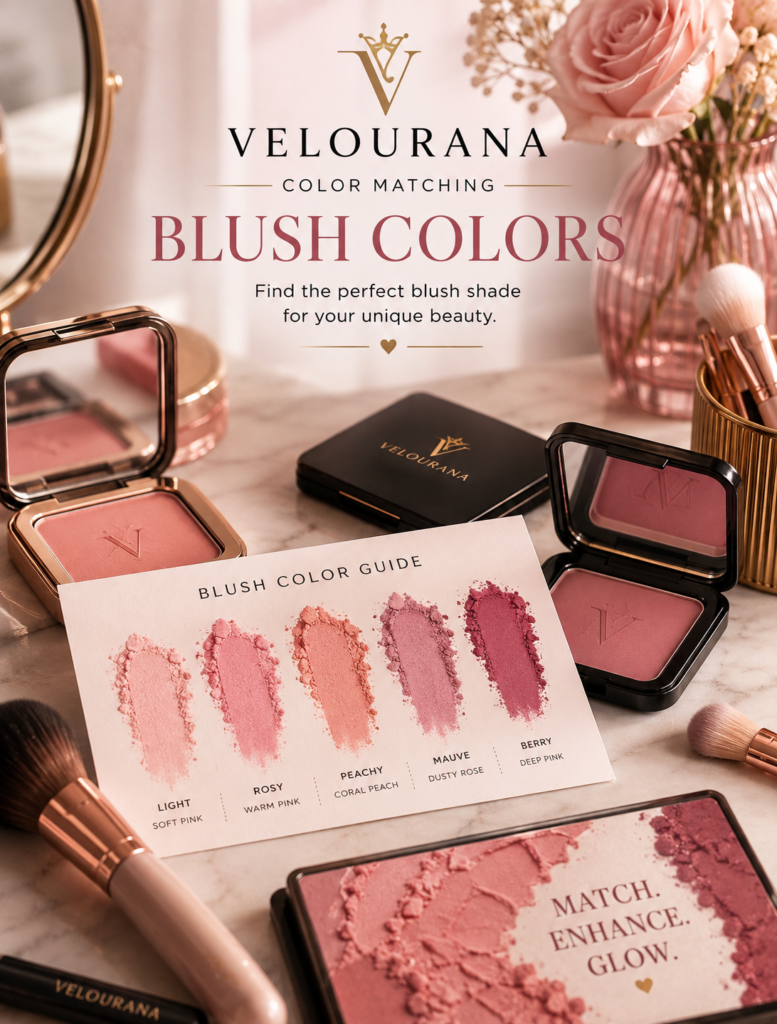
CATEGORY: Blush Colors
Mauve blush occupies a fascinating position in color matching because it rarely behaves like a simple pink.
Depending on the formula, mauve can contain pink, purple, blue, grey, brown, rose, or even subtle red undertones. Some mauves are soft and romantic. Others are cool and smoky. Some lean toward dusty rose, while deeper versions can approach plum, berry, or wine.
This complexity makes mauve one of the most sophisticated blush families, but it also explains why it can be difficult to choose.
A mauve blush that looks elegant on one complexion may appear grey or dull on another. A shade that seems muted in the compact can become surprisingly purple once applied. A deeper mauve that initially looks intimidating may create a beautifully natural flush on medium-deep or deep skin.
The key is understanding what kind of mauve you are looking at.
Color matching is not simply about deciding whether mauve “suits” your undertone. It is about examining the balance of pink, purple, grey, brown, and red within the shade and understanding how those colors interact with your complexion.
What Makes a Blush Mauve?
Traditional mauve sits somewhere between pink and purple, usually with enough muted grey or brown to prevent it from appearing vividly violet.
But cosmetic mauves vary enormously.
A pink-mauve may look almost like dusty rose.
A purple-mauve contains more obvious violet.
A brown-mauve becomes earthy and neutral.
A plum-mauve is deeper and richer.
A grey-mauve is particularly muted and cool.
This means the word “mauve” on a product description tells only part of the story.
Look at the actual pigment.
Ask whether the blush appears predominantly pink, purple, brown, grey, or berry.
That dominant characteristic will influence how it behaves on your skin.
Why Mauve Usually Feels Cool
Purple is created from red and blue.
Because mauve normally retains some blue or violet influence, it tends to sit on the cooler side of the blush spectrum.
This makes mauve naturally harmonious with many cool complexions.
On warm complexions, however, its coolness becomes more noticeable.
That contrast can be beautiful.
A mauve blush against golden skin can create a sophisticated cool cheek that stands apart from the warmth of the complexion.
The important point is that contrast is not the same thing as incompatibility.
Fair Cool Skin and Soft Mauve
Fair cool skin often creates a natural relationship with soft mauve.
The blue-pink qualities in the blush can echo the cool undertones already present in the complexion.
A light pink-mauve may resemble a subdued natural flush.
Dusty mauve can create elegant definition without the sweetness of baby pink.
However, very grey mauves can sometimes drain fair skin if the color becomes too muted.
If a mauve makes the complexion appear tired, look for a version containing more pink or rose.
Fair Warm Skin and Mauve Contrast
Mauve can look striking on fair warm skin because the cool blush contrasts with the golden or peach undertone.
The difference may make the cheek color more obvious.
For someone who wants a softer result, a rose-mauve or brown-mauve can provide a bridge between temperatures.
The rose introduces warmth through red.
The brown reduces the cool violet quality.
A strongly purple-grey mauve creates a much more deliberate contrast.
Neither approach is wrong.
They simply produce different effects.
Fair Neutral Skin and Balanced Mauve
Neutral fair skin often has considerable flexibility with mauve.
A balanced pink-mauve can create understated everyday color.
A cooler mauve adds sophistication.
A warmer rose-mauve can look almost neutral.
Because the complexion does not strongly compete with either warm or cool pigment, the specific mauve can determine much of the mood of the makeup.
This makes neutral skin particularly useful for exploring different versions of the family.
Medium Skin Needs More Mauve Presence
On medium complexions, extremely pale mauve can sometimes disappear or become slightly ashy.
A richer dusty rose-mauve, plum-mauve, or berry-mauve may provide better definition.
The goal is not necessarily to make the blush darker.
It is to ensure that it contains enough saturation and depth to remain visible against the complexion.
A medium skin tone can often carry mauve with greater purple or berry intensity without the color becoming overwhelming.
Medium Cool Skin and Classic Mauve
Classic mauve can be especially elegant on medium cool complexions.
The cool undertone of the skin supports the violet and blue-pink characteristics of the blush.
The result can look cohesive rather than obviously colorful.
A medium rose-mauve works beautifully for everyday makeup.
A deeper plum-mauve can create more evening intensity.
The difference lies mainly in saturation and depth.
Medium Warm Skin and Rose-Mauve
On medium warm skin, rose-mauve can be easier to integrate than a strongly grey-purple version.
The rose component creates a connection with natural red tones in the complexion while the mauve adds coolness.
This produces a balanced effect.
If greater contrast is desired, a cooler purple-mauve can create a more noticeable cheek.
The warmer the complexion, the more clearly the cool character of mauve may appear.
Mauve on Olive Skin
Olive skin and mauve can create one of the most interesting blush relationships.
Because olive complexions often contain yellow, green, golden, neutral, or cool characteristics, purple-based colors can become especially noticeable.
Purple and yellow sit in opposing areas of the color wheel.
This means a violet-leaning mauve can create strong contrast against yellow-olive skin.
The result may be fresh and sophisticated—or too grey or purple if the balance is wrong.
Rose-mauve, berry-mauve, dusty rose, and brown-mauve often provide greater complexity and can integrate beautifully with olive skin.
Fair Olive Skin and Dusty Mauve
Fair olive complexions may find extremely pale lavender-mauve difficult because the combination of white and grey pigment can make the complexion appear muted.
A dusty rose-mauve often works more naturally.
The rose provides life.
The mauve introduces sophistication.
A touch of brown can make the shade even more integrated.
The objective is usually to retain enough red or pink within the mauve that the blush still reads as healthy cheek color.
Medium Olive Skin and Rosewood Mauve
As olive skin becomes deeper, rosewood and brown-mauve shades can become particularly effective.
Rosewood combines rosy red with brown and muted mauve characteristics.
It creates color without becoming obviously pink.
This can produce understated definition that works especially well with neutral or earthy makeup.
For a brighter effect, berry-mauve provides greater saturation while maintaining the cool-purple relationship.
Deep Skin and Rich Mauve
Deep skin can carry exceptionally rich mauve shades.
Plum-mauve.
Berry-mauve.
Wine-mauve.
Deep rose-mauve.
Purple-berry.
These colors contain enough depth and saturation to remain visible against the complexion.
Pale mauves with substantial white or grey pigment can become ashy, but that does not mean mauve itself is unsuitable.
The solution is usually greater richness.
A deep plum that looks almost too dark in the compact can blend into a sophisticated flush once applied.
Deep Cool Skin and Plum-Mauve
Deep cool complexions can create natural harmony with plum and berry mauves.
The cool characteristics relate directly to the undertone while the depth of the pigment matches the visual strength of the complexion.
This can create a blush that looks rich without appearing disconnected.
A wine-mauve can be especially beautiful for evening makeup, while a deep rose-mauve can provide a softer everyday option.
Deep Warm Skin and Mauve Contrast
Against deep warm skin, mauve creates more temperature contrast.
A pure cool plum can stand out dramatically against golden warmth.
A brown-mauve or warm berry-mauve creates a smoother transition.
This gives you control over how obvious the contrast becomes.
If you want the blush to feel integrated, choose more red or brown.
If you want the cool cheek to become a feature, increase the purple or blue influence.
Pink-Mauve Is the Most Familiar Version
Pink-mauve is often the easiest form of mauve to wear because it remains visibly connected to traditional pink blush.
The mauve component simply cools and softens the pink.
On fair skin, it can look delicate.
On medium skin, it creates sophisticated everyday color.
On deeper skin, choose a richer pink-mauve so that the pigment remains visible.
Pink-mauve is an excellent option for someone who wants to move beyond standard rose without going fully into plum.
Rose-Mauve Creates Natural Sophistication
Rose-mauve contains more red than pink-mauve.
This gives it greater warmth and depth.
Because natural flushing often contains red, rose-mauve can appear surprisingly natural even though the color looks muted in the compact.
It is particularly useful for neutral, cool, olive, and medium complexions.
On warm skin, the rose component helps bridge the difference between the warm complexion and cool mauve.
Grey-Mauve Is More Difficult
Grey-mauve is intentionally desaturated.
This creates a sophisticated editorial quality, but it can also remove vitality from the complexion.
If the skin is already muted or if the foundation creates a very flat base, too much grey can make the face appear tired.
This is where color matching becomes important.
If grey-mauve looks dull, move toward rose-mauve rather than abandoning the family completely.
A relatively small increase in red or pink can transform the result.
Brown-Mauve Creates an Earthy Neutral
Brown-mauve combines the cool sophistication of mauve with the grounding quality of brown.
This can create a blush that almost behaves like a hybrid between cheek color and soft contour.
It is particularly useful for understated makeup.
Warm and olive complexions may find brown-mauve easier to integrate than very purple mauve.
On deeper skin, a rich brown-mauve can create beautiful dimension without looking obviously bright.
Plum-Mauve Adds Greater Depth
Plum pushes mauve toward deeper purple-red.
It can appear dramatic in the compact, but the complexion softens it considerably once blended.
On fair skin, plum-mauve should generally be applied with restraint.
On medium and deep complexions, its greater saturation becomes an advantage.
The color remains visible and creates richer definition.
Berry-Mauve Introduces More Red
Berry-mauve sits between mauve and raspberry or blackberry.
The additional red gives it more vitality than grey-mauve.
This can make it particularly useful when traditional mauve feels too muted.
Berry-mauve works across a broad range of skin depths because it can be adjusted through saturation.
A sheer berry-mauve can work on fair skin.
A richly pigmented version can create beautiful color on deep skin.
Mauve Versus Dusty Rose
Mauve and dusty rose are frequently confused.
Dusty rose usually remains more obviously red or pink.
Mauve introduces stronger purple or cool characteristics.
If dusty rose looks warm and natural on you, moving slightly toward mauve can create a cooler, more sophisticated variation.
If mauve feels too purple, dusty rose can provide the warmer alternative.
Mauve Versus Plum
Plum is usually deeper and more saturated.
Mauve tends to be softer and more muted.
Think of mauve as the quieter relative and plum as the richer one.
However, cosmetic shade names overlap considerably, so judge the pigment rather than relying entirely on the label.
Mauve Versus Berry
Berry shades generally contain stronger red or pink saturation.
Mauve is more muted and purple.
A berry blush creates greater freshness and intensity.
Mauve creates more subdued definition.
Berry-mauve occupies the useful territory between them.
Mauve and Natural Facial Redness
If your complexion already has noticeable surface redness, mauve can behave in different ways.
A red-heavy rose-mauve may intensify the rosy appearance.
A more neutral brown-mauve can create cheek definition without adding obvious bright redness.
A cool purple-mauve may visually contrast with the redness.
The result depends heavily on whether you wear foundation and how much natural color remains visible underneath.
Foundation Can Change Mauve Dramatically
Mauve often appears different over full-coverage foundation because the natural warmth and redness of the skin have been reduced.
Against this neutralized background, its purple and grey characteristics can become more obvious.
On bare skin, natural redness may pull the same blush toward rose.
This is why a mauve tested on the hand or bare cheek may not look identical over your normal foundation.
Bronzer Can Balance Cool Mauve
Warm bronzer paired with mauve creates a useful temperature balance.
The bronzer provides golden or brown warmth.
The mauve provides cooler cheek color.
This contrast can make the face appear dimensional rather than uniformly warm.
It is particularly effective for warm complexions that enjoy mauve but do not want the entire face to become cool.
Mauve Without Bronzer Creates a Cooler Palette
Remove bronzer and mauve becomes more dominant.
Combined with a neutral foundation, taupe eyes, and a muted lip, mauve can create a sophisticated cool-toned makeup look.
This is particularly effective in autumn and winter, although there is no reason the color must be restricted by season.
Mauve and Cool Highlighter
Pearl, icy champagne, and cool pink highlighters naturally reinforce mauve.
They keep the cheek palette cool and cohesive.
This can create an elegant, polished effect.
If the blush itself is very muted, however, an extremely icy highlighter may make the overall cheek look even cooler.
Mauve and Golden Highlighter
Golden highlighter introduces contrast.
The warmth of gold against cool mauve can prevent the cheek from becoming too monochromatic.
On warm or olive skin, this can create a particularly effective bridge between the complexion and the blush.
Again, the surrounding products can help integrate a color that does not perfectly match the undertone.
Matching Mauve Blush With Lipstick
Mauve blush pairs naturally with mauve, rose, berry, plum, wine, and cool nude lips.
For a harmonious look, repeat some of the blush’s cool characteristics in the lip color.
For contrast, combine mauve cheeks with a warmer nude or soft peach lip.
The colors do not need to match exactly.
They need to form an intentional relationship.
Mauve Blush With Red Lips
Blue-based red lipstick can work beautifully with mauve because both contain cool characteristics.
The blush should usually remain softer so the red lip maintains its visual dominance.
Warm orange-red lipstick creates more contrast.
In that case, a rose-mauve rather than strongly purple mauve can provide a useful transition between the colors.
Mauve With Taupe and Grey Eyes
Taupe, charcoal, grey, silver, and cool brown eyeshadows naturally complement mauve blush.
The repeated cool and muted characteristics create a cohesive palette.
This can produce an elegant effect without relying on obvious bright color.
The blush becomes part of the structure of the makeup rather than simply a decorative pink cheek.
Mauve With Warm Eyeshadow
Copper, bronze, and gold eye makeup paired with mauve blush creates deliberate contrast.
This can be particularly attractive when the lipstick contains a color that bridges the two temperatures.
A neutral rose lip, for example, can connect warm eyes and cool cheeks without making either feel misplaced.
Hair Color Influences Mauve
Ash blonde, silver, cool brunette, and blue-black hair naturally reinforce mauve’s cool character.
Copper, golden blonde, auburn, and warm brunette hair create more contrast.
A rose-mauve can soften that contrast.
A purple-mauve emphasizes it.
Hair therefore becomes another part of the color-matching environment.
Clothing Can Change How Purple Mauve Appears
Wear mauve blush with lavender, blue, grey, or cool pink clothing and its cool qualities may appear harmonious.
Place the same blush beside mustard, camel, orange, or warm beige and its purple component may become more noticeable.
This does not mean blush needs to match clothing every day.
It simply demonstrates that colors are always perceived relative to surrounding colors.
Formula Matters With Mauve
Mauve can become especially different depending on opacity.
A sheer cream allows the natural skin to warm the pigment from underneath.
A dense matte powder shows more of the blush’s true grey or purple quality.
A luminous mauve reflects light and may appear softer.
A stain can create a translucent berry-mauve effect.
If mauve usually feels too cool, a sheer formula can be an excellent way to make it more wearable.
Application Intensity Can Turn Mauve Into Plum
Many mauve blushes become significantly deeper when layered.
One thin application may appear like dusty rose.
Several layers can reveal much stronger purple or plum characteristics.
This means testing intensity is important.
The shade you dislike at full opacity may be beautiful as a translucent wash.
Placement Changes the Mood
Mauve concentrated on the apples of the cheeks can create a soft romantic flush.
Placed higher along the cheekbones, it becomes more sculptural and sophisticated.
Blended toward the temples, a deeper mauve can almost function as color and definition simultaneously.
The muted quality of mauve makes it particularly suited to this lifted placement.
When Mauve Looks Too Grey
If mauve makes your complexion appear dull, examine the amount of grey in the blush.
Move toward rose-mauve, berry-mauve, or pink-mauve.
These variations restore red or pink vitality without abandoning the sophisticated cool character.
Sometimes only a small shift is needed.
When Mauve Looks Too Purple
If the blush becomes obviously violet on your skin, choose a version with more rose, brown, or red.
You can also pair it with warm bronzer to create greater balance.
The complexion itself may be emphasizing the purple through color contrast, particularly on yellow or golden skin.
When Mauve Looks Ashy
Ashiness usually indicates insufficient depth or excessive white-grey pigment.
This is especially common on medium-deep and deep complexions.
Move toward a richer plum-mauve, berry-mauve, or deep rosewood.
A stronger color applied lightly will often look more natural than a pale mauve applied heavily.
When Mauve Disappears
If the blush is almost identical in depth to the complexion, increasing application may only create a powdery effect.
Choose greater saturation or depth instead.
A medium mauve can become plum-mauve.
A muted rose can become deep rosewood.
The family remains related while visibility improves.
Mauve Is Particularly Useful for Muted Makeup
Not every makeup look needs obvious warmth or brightness.
Mauve is excellent when you want the face to feel polished, subdued, elegant, or slightly dramatic without using intense color.
Its mixture of pink, purple, grey, and brown can provide complexity without loudness.
That makes it one of the most useful blush families for sophisticated neutral makeup.
But Mauve Can Also Be Bold
Deep plum-mauve and berry-mauve can create significant drama.
On deeper skin, these colors may appear rich rather than extreme.
On fair skin, they can become striking editorial shades.
Mauve therefore should not be understood only as a muted everyday color.
Its deeper relatives offer considerable intensity.
Choose Mauve by Effect Rather Than Rule
For natural harmony on cool skin, choose pink-mauve, rose-mauve, or classic mauve appropriate to your skin depth.
For warm skin that wants a softer transition, look toward rose-mauve or brown-mauve.
For deliberate contrast, explore cooler purple-mauve.
For olive complexions, consider dusty rose-mauve, berry-mauve, or rosewood.
For deeper complexions, increase richness through plum, berry, wine, or deep rose characteristics.
These are starting points, not restrictions.
Mauve Shows Why Color Matching Is About Relationships
Mauve can appear pink on one complexion and purple on another.
It can look soft on fair skin and almost neutral on deeper skin.
It can become sophisticated against cool undertones and dramatically contrasting against golden warmth.
This variability is not a problem.
It is the essence of color matching.
The complexion participates in the final color.
Finding Your Mauve
Start by ignoring the word on the packaging.
Look at the actual shade.
Is it pink-mauve?
Rose-mauve?
Grey-mauve?
Brown-mauve?
Plum-mauve?
Berry-mauve?
Then compare its depth with your complexion.
If it contains substantial white or grey, consider whether those pigments will remain flattering once applied.
Next, decide whether you want temperature harmony or contrast.
Finally, look at the entire face in natural light.
Mauve should not be judged from the cheek alone.
Notice what it does to your complexion.
Does it make your skin appear elegant and balanced?
Does it provide subtle definition?
Does it brighten your eyes?
Does it make the complexion appear grey?
Does it become too purple?
The answer tells you which direction to move.
Perhaps you need more rose.
More berry.
More brown.
More depth.
Less grey.
That process is color matching in practice.
Mauve is not one mysterious difficult shade reserved for cool undertones.
It is an entire family stretching from dusty pink to rich plum.
Once you understand where your chosen mauve sits within that spectrum, you can use it deliberately—whether your goal is harmony, contrast, softness, structure, or dramatic color.
The End
Velourana
 Discover More From Our Family of Websites
 ZodiacBearing (Astrology, Tarot, Numerology, Angel Numbers & Spiritual Guidance)
 Velourana (Beauty, Makeup, Hair Care, Skincare & Beauty Tips)
 HavenBearing (Home, Living, Organization, Décor & Everyday Inspiration)
 PawBearing (Pet Care, Dog Breeds, Animal Health, Training & Pet Products)
 PsyCatherine (Notes From the Journal of a Psychologist on Real Life)

