
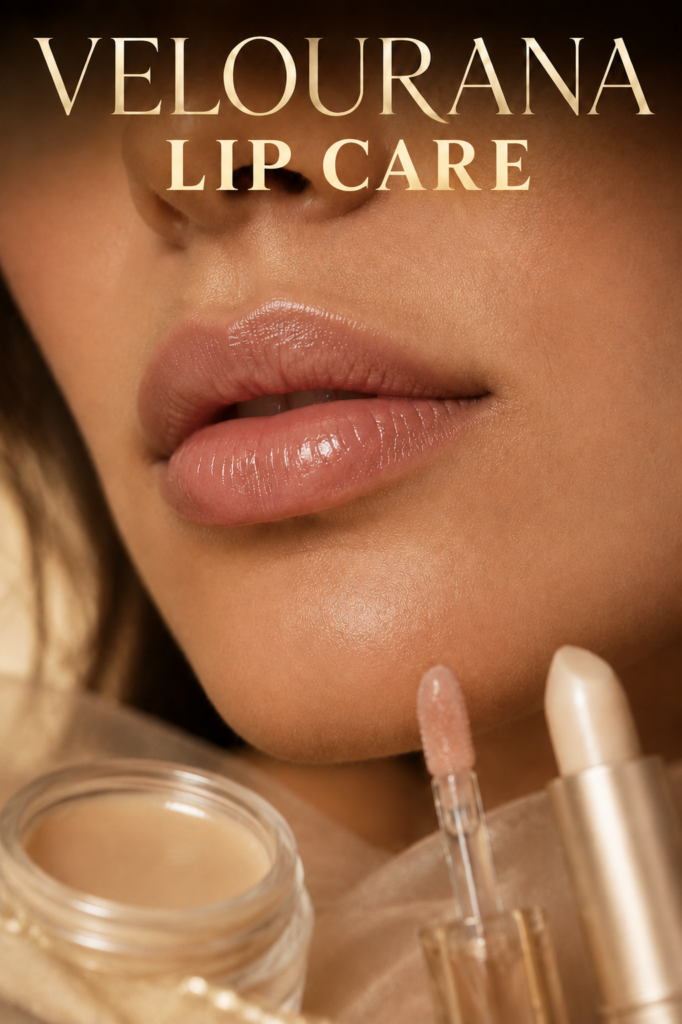
CATEGORY: Lip SPF
The lips occupy only a small part of the face, yet they experience many of the same environmental pressures as the surrounding skin. Sunlight, wind, heat, cold, dry indoor air, repeated eating and drinking, and the constant movement involved in speaking all affect how comfortable and smooth they feel. Despite this exposure, lips are often excluded from daily sun-care routines. Facial sunscreen may be carefully applied across the forehead, cheeks, nose, and chin while the lips receive nothing more than an ordinary balm or lipstick.
Lip SPF is designed to close that gap. It combines the familiar protective qualities of a lip product with ingredients intended to reduce exposure to ultraviolet radiation. For everyday beauty routines, this makes it more than a seasonal accessory for beaches and holidays. A well-chosen SPF lip product can become part of regular lip maintenance throughout the year.
The value of lip SPF is easiest to understand when lip care is viewed as prevention rather than repair. Moisturizing a lip after it has become dry can improve comfort, but protecting it from conditions that contribute to dryness and visible weathering is a different strategy. Sun protection belongs to that preventive approach.
Why Lips Need Their Own Approach to Sun Protection
Lips are structurally different from much of the skin surrounding them. Their delicate surface contributes to their softness and color, but it also means they do not behave exactly like the forehead, cheeks, or other areas routinely covered with facial sunscreen.
This becomes especially noticeable during prolonged outdoor exposure. Lips can begin to feel tight, rough, tender, or unusually dry after time in strong sunlight, particularly when sun exposure is accompanied by wind, salt water, chlorinated water, cold temperatures, or low humidity. Because several environmental factors frequently occur together, people may attribute the resulting discomfort entirely to dryness and overlook the role of ultraviolet exposure.
An ordinary moisturizing balm can make lips feel smoother by reducing moisture loss and providing an emollient layer. That does not automatically mean it provides meaningful ultraviolet protection. Unless the product is specifically formulated and labeled with an SPF, its moisturizing qualities should not be treated as a substitute for sun protection.
This distinction matters because lip products are easily removed. Eating, drinking, wiping the mouth, licking the lips, talking, and ordinary facial movement gradually disturb the product film. A lip SPF therefore has to function in an unusually demanding environment. Successful everyday use depends not only on the SPF number printed on the packaging but also on whether the texture is comfortable enough to apply properly and renew when necessary.
Understanding SPF in Lip Products
SPF stands for sun protection factor and primarily relates to protection from UVB radiation when a sunscreen is used as directed. Broad-spectrum sunscreen products are intended to provide protection across both UVA and UVB portions of ultraviolet radiation, subject to the labeling and testing standards applicable to the market in which they are sold.
For the consumer, this means that choosing lip SPF should involve more than searching for any balm that happens to display an SPF number. The labeling of the particular product matters. Its protection claims, directions, warnings, application instructions, and recommended reapplication schedule provide more useful information than assumptions based on texture or brand positioning.
The same principle applies to products that appear naturally protective because they are thick, opaque, glossy, or strongly pigmented. Appearance alone does not establish tested sun protection. A dense lipstick may physically cover the lips, and an ordinary balm may create a substantial coating, but neither should automatically be considered equivalent to a labeled SPF lip product.
This is particularly relevant because modern lip products often combine several functions. A single formula may moisturize, tint, add shine, create a barrier against dryness, and provide SPF. These multifunctional products can make everyday protection easier, but each claim should still be considered separately. A product can be highly moisturizing without providing sun protection, just as an SPF formula can provide ultraviolet protection without necessarily being the most nourishing balm for severely dry lips.
The practical goal is to find a balance between protection and wearability. An impressive formula that feels unpleasant may remain unused in a drawer. A comfortable formula that becomes part of the morning routine and is carried throughout the day is often far more useful in practice.
The Difference Between Lip SPF and Ordinary Lip Balm
Traditional lip balm is primarily concerned with comfort and moisture management. Depending on the formula, it may contain emollients that soften the lips, occlusive ingredients that reduce moisture loss, or additional conditioning ingredients intended to improve texture. Lip SPF introduces another function: ultraviolet protection.
The two categories overlap considerably. Many SPF lip products are also balms, and many are deliberately formulated to feel indistinguishable from ordinary daily lip care. This is useful because sun protection becomes easier to maintain when it does not require a completely separate ritual.
Texture can nevertheless vary substantially. Some lip sunscreens feel rich and waxy, while others have a lighter glide. Some leave a natural finish, whereas others appear glossy. Mineral-based formulas may occasionally leave a visible cast depending on their composition, application amount, and the natural color of the lips. Tinted versions can help integrate sun protection with makeup while giving the lips a more finished appearance.
The ideal texture depends partly on what is worn over or underneath it. Someone who generally wears bare lips may enjoy a nourishing balm-like SPF. Someone who regularly uses lipstick may prefer a smoother, thinner product that does not interfere with color application. A person who likes glossy lips may find a shinier formula entirely compatible with their usual look.
This is why lip SPF should not be treated as a single uniform product type. It is better understood as a sun-protection function available in several cosmetic formats.
Making Lip SPF Part of Everyday Beauty
Consistency becomes easier when lip SPF occupies a natural position within an existing routine. For many people, the most logical moment is during morning skincare, immediately after facial sunscreen. Extending sun protection to the lips at the same time prevents them from becoming the forgotten final area of the face.
The product can then be incorporated into makeup according to its texture. A clear SPF balm may be worn alone for an understated finish. A tinted SPF product can provide both protection and color. Some lipsticks can be layered with an SPF product, although the final appearance depends on the compatibility of the formulas.
Layering deserves attention because lip cosmetics move easily. A very slippery balm underneath a matte lipstick can reduce the lipstick's grip, while a heavy lipstick over an SPF product can make later reapplication more complicated. There is no universal combination that works for every formula. The practical solution is to experiment with compatible textures while remembering that cosmetic layering should not be assumed to increase the stated SPF.
Reapplication is particularly important for the lips because the product layer is continuously disrupted. The manufacturer's directions should determine how the sunscreen is used and reapplied, especially during sustained outdoor exposure. Reapplication also becomes relevant after activities that remove product from the mouth.
This does not mean everyday lip protection needs to feel burdensome. Keeping the product somewhere convenient can make renewal almost automatic. A lip SPF placed beside ordinary lip products, carried in a handbag, or kept with frequently used personal-care items is easier to remember than one stored with occasional holiday supplies.
Lip SPF Beyond the Summer Season
Sun protection is strongly associated with summer, but ultraviolet exposure is not confined to hot weather. A cool or cloudy day can still involve UV exposure, and outdoor routines continue throughout autumn, winter, and spring.
This is especially relevant for people who spend substantial time outdoors. Walking, driving, exercising, commuting, gardening, working outside, or sitting in outdoor cafés can create regular exposure that may not feel significant because it is distributed throughout everyday life rather than concentrated into a beach holiday.
Winter environments can also be demanding for lips. Cold air and wind may already encourage dryness, and sun exposure can add another environmental factor. At higher elevations, ultraviolet exposure deserves particular attention, and snow can reflect ultraviolet radiation. Skiing and other mountain activities therefore represent circumstances in which lip sun protection can be particularly important.
The seasonal texture of the product can change even if the protective habit remains constant. A person might prefer a lightweight lip SPF during humid summer weather and a richer, more occlusive formula during winter. Maintaining the habit does not require using exactly the same product throughout the year.
This flexibility makes lip SPF easier to integrate into broader beauty routines. Protection can remain consistent while texture, finish, tint, and moisturizing richness change according to climate and personal preference.
When Dryness and Sun Exposure Overlap
Dry lips are often treated as though they have a single cause, but everyday lip condition can reflect several interacting influences. Low humidity, dehydration of the surface, wind, repeated licking, irritating cosmetics, environmental exposure, and individual sensitivity can all affect how the lips feel.
Sun exposure may be part of that picture. When lips repeatedly feel uncomfortable after outdoor activities, it is useful to consider the entire environment rather than simply applying increasingly heavy balm afterward.
Lip licking can complicate the situation. Dryness encourages licking because moisture briefly feels soothing, but repeated licking can contribute to further irritation as saliva evaporates and the cycle continues. A comfortable protective product may help reduce the temptation to lick the lips constantly, although persistent or severe lip problems deserve appropriate professional assessment rather than endless experimentation with cosmetics.
Another common mistake is aggressively exfoliating lips that already feel irritated. Removing visible flakes can create temporary smoothness, but repeated or forceful exfoliation can make sensitive lips feel more uncomfortable. Gentle maintenance, appropriate moisturization, and environmental protection are usually more compatible with a long-term lip-care routine than repeatedly trying to polish the surface into smoothness.
Lip SPF fits naturally into this gentler philosophy. It does not replace moisturizing care; it complements it by addressing an environmental factor that ordinary balm may not cover.
Choosing a Texture You Will Actually Wear
Cosmetic elegance matters more in sunscreen than it might initially appear. Sunscreen provides no practical benefit sitting unused because its texture, flavor, appearance, or finish is disliked.
Lip SPF is particularly personal because it is worn directly around the mouth. Taste and scent can therefore influence whether a formula feels pleasant. Some people enjoy flavored balms, while others find fragrance or flavoring distracting or irritating. Those with sensitive lips may prefer simpler formulas and should pay attention to how their lips respond to individual products.
Finish is another consideration. A glossy SPF can make lips appear fuller and more polished, while a satin or natural finish may suit someone who dislikes shine. Tinted formulas can provide an easy daytime alternative to traditional lipstick. Clear formulas are versatile and can be used by anyone who wants protection without visible color.
Packaging also influences behavior. A twist-up stick can be convenient for quick application, while a squeeze tube may provide a softer or glossier texture. Pots can offer rich formulas but require finger application, which may be less convenient when away from home. The best format is the one that fits realistically into the circumstances in which the product will be reapplied.
For people who wear makeup frequently, compatibility may become the deciding factor. A lip SPF that layers neatly with favorite lip colors is more likely to remain part of the routine than one that causes feathering, patchiness, or excessive slipping.
Tinted Lip SPF as a Makeup Product
Tinted SPF products occupy an interesting position between skincare, sun care, and makeup. They can provide enough color to make the lips look intentionally finished while maintaining the convenience of a balm.
The degree of pigmentation varies. Some formulas provide only a translucent wash, allowing the natural lip tone to remain prominent. Others offer stronger color closer to a traditional lipstick. This range makes tinted lip SPF suitable for different approaches to everyday makeup.
A sheer tint can work particularly well for casual routines because fading tends to appear softer than it does with highly pigmented lipstick. Since sunscreen requires renewal according to product directions and circumstances, a product that can be reapplied without a mirror can be convenient.
Color selection can also influence how often the product is used. A shade that harmonizes naturally with someone's preferred makeup palette is more likely to be carried and reapplied. Neutral pinks, berries, warm corals, browns, reds, and muted nude tones can all appear in tinted sun-care formats, depending on the brand and market.
However, the presence of pigment should not create false confidence. A tinted cosmetic is not automatically a sunscreen. The SPF claim and relevant sun-protection labeling remain the distinguishing features.
Similarly, layering an ordinary lipstick over lip SPF should not be treated as a mathematical combination of protection levels. Sunscreen performance depends on the tested product being used appropriately, not on adding together numbers from multiple cosmetics.
Outdoor Activities Require Greater Attention
Everyday commuting and incidental exposure are one context; prolonged outdoor activity is another. Beach days, sailing, hiking, outdoor sports, skiing, cycling, and long periods beside a pool place greater demands on lip protection.
In these situations, reapplication becomes easier to forget precisely because people are occupied. Lip products may also disappear more quickly through drinking, eating, swimming, sweating, wiping the face, or contact with towels and clothing.
Water resistance can therefore become relevant. Sunscreens marketed as water resistant should state the conditions associated with that claim according to applicable regulations. Consumers should follow the product's specific directions rather than assuming that "water resistant" means the product remains indefinitely intact after swimming.
The lips can also be exposed indirectly through reflected radiation. Water, sand, and snow can contribute to the overall ultraviolet environment. A person sitting beneath partial shade may therefore still benefit from broader sun-protective habits rather than relying on shade alone.
Lip SPF works best as one element within comprehensive sun protection. Appropriate clothing, shade, hats, sunglasses, and sunscreen on exposed skin all contribute to reducing ultraviolet exposure. Protecting the lips while leaving the rest of the face unprotected would obviously be incomplete; forgetting the lips while carefully protecting everything else is equally avoidable.
The Role of Moisturizing Ingredients
Because lip SPF is worn as a lip-care product, the conditioning portion of the formula strongly affects the experience.
Occlusive ingredients can help reduce moisture loss by creating a surface barrier. Emollients contribute softness and slip. Depending on the product, formulas may include oils, waxes, butters, petrolatum-like ingredients, silicones, or other conditioning materials. The exact ingredient combination varies widely.
A rich formula can be useful when the lips are prone to dryness, particularly in cold or windy environments. Lighter products may feel more comfortable in hot weather or beneath makeup. Neither texture is inherently superior. The appropriate choice depends on the user's needs and the conditions in which the product will be worn.
It is also possible to separate moisturizing and sun-protection functions within a routine. Someone who prefers a particular nourishing balm at night may use that product before bed and choose a dedicated SPF formula during daylight hours. This division can be useful because nighttime lip care does not require sunscreen, allowing the evening product to focus entirely on comfort and moisture retention.
The distinction between daytime and nighttime care creates a simple rhythm. Daytime care emphasizes environmental protection alongside moisture, while nighttime care can emphasize conditioning and barrier support.
Sensitive Lips and Formula Selection
People with sensitive lips may need more experimentation to find a suitable SPF product. A formula that feels completely comfortable to one person can cause stinging or irritation for another.
Fragrance, flavoring agents, botanical extracts, and various cosmetic ingredients can affect individuals differently. This does not make every fragranced or flavored product problematic, nor does it guarantee that every minimal formula will suit every person. Individual tolerance matters.
When lips are already irritated, introducing several new products simultaneously can make it difficult to determine what is helping or causing discomfort. A simpler routine may make reactions easier to identify.
Persistent cracking, bleeding, unusual discoloration, sores that do not heal, recurring severe inflammation, or other lasting changes should not simply be covered indefinitely with cosmetic products. Such symptoms warrant professional evaluation. Lip SPF is preventive sun care, not a treatment for unexplained or persistent lip conditions.
This boundary is important in beauty care generally. Cosmetics can support comfort, appearance, and protection, but they should not be expected to diagnose or resolve every change affecting the skin or lips.
Common Reasons Lip SPF Gets Forgotten
One reason lip SPF remains less established than facial sunscreen is that the lips sit psychologically between skincare and makeup. People may think of balm as a comfort product and lipstick as a cosmetic product without considering either part of sun care.
Another reason is habit. Sunscreen application often follows the boundaries of familiar skincare: forehead, nose, cheeks, chin, neck, and perhaps ears. The lips may simply be bypassed.
There is also the assumption that lipstick provides enough physical coverage. Although some lipsticks are opaque, opacity should not be confused with a tested SPF claim. If sun protection is the goal, a product specifically labeled for that purpose offers clearer information.
A further obstacle is the belief that lip sunscreen is needed only when the lips already feel burned or dry. This reverses the logic of preventive care. SPF is intended to be used before and during exposure according to the product directions, rather than introduced only after discomfort appears.
Once lip SPF becomes part of the morning routine, these barriers largely disappear. It becomes no more unusual than applying sunscreen to the face.
Building a Sustainable Lip-Care Routine
The most effective beauty routines are often the ones that require the least negotiation with yourself. A complicated collection of treatments can be appealing, but everyday lip health generally benefits from consistency more than novelty.
During daylight hours, an SPF lip product can provide the protective foundation. Additional color can be layered according to preference, or a tinted SPF can serve both functions. Throughout the day, the protective layer can be renewed in accordance with the product directions and after activities that substantially remove it.
At night, sun protection is unnecessary. This is the natural time for a comfortable moisturizing balm or other preferred lip-care product. The formula can be richer if desired because there is less concern about layering it with makeup or repeatedly reapplying SPF.
This uncomplicated distinction helps prevent a common problem in beauty routines: asking one product to perform every possible function. The daytime product can prioritize sun protection and wearable comfort. The nighttime product can prioritize conditioning. Some formulas may perform both roles well, but they do not have to.
The result is a routine that can remain stable even as individual products change.
Lip SPF as Part of Long-Term Beauty Care
Beauty routines often focus on immediate appearance. Lipstick changes color instantly, gloss creates immediate shine, and balm can quickly make a dry surface feel smoother. Sun protection is different because much of its value lies in reducing exposure over time.
That makes lip SPF less dramatic but potentially more meaningful as a habit. Applying it today may not produce a striking visual transformation. Its purpose is protection rather than instant correction.
This preventive philosophy aligns with the broader direction of modern skincare. Cleansing, moisturization, and sun protection are increasingly treated as foundational habits upon which more specialized products can be added. Lip care can follow the same logic.
The lips do not need an elaborate routine simply because many products exist. They need care that corresponds to their actual environment and condition. For someone regularly exposed to daylight, SPF is a logical component of that care.
A product that feels pleasant, fits the person's cosmetic preferences, and remains easy to reapply has the greatest chance of becoming habitual. Once that happens, lip SPF stops feeling like an additional sunscreen step and simply becomes the daytime lip balm.
THE END VELOURANA
 Discover More From Our Family of Websites
 ZodiacBearing (Astrology, Tarot, Numerology, Angel Numbers & Spiritual Guidance)
 Velourana (Beauty, Makeup, Hair Care, Skincare & Beauty Tips)
 HavenBearing (Home, Living, Organization, Décor & Everyday Inspiration)
 PawBearing (Pet Care, Dog Breeds, Animal Health, Training & Pet Products)
 PsyCatherine (Notes From the Journal of a Psychologist on Real Life)

