
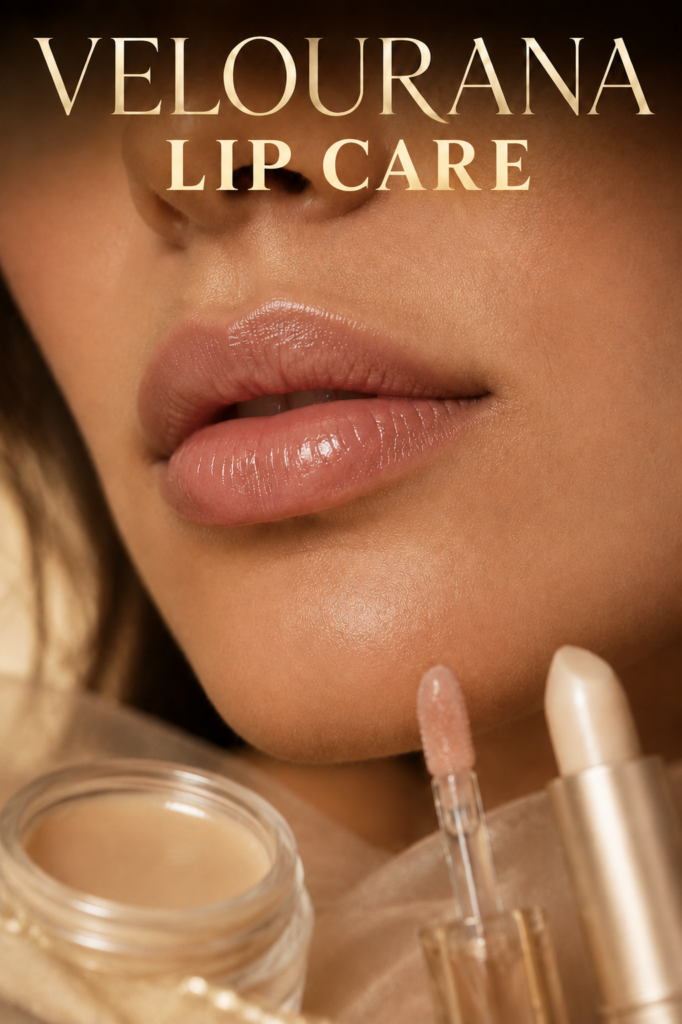
CATEGORY: Lip Oils
Lip oils occupy a distinctive place in modern beauty because they offer something that traditional lip products do not always achieve: a convincing balance between care, comfort, and visible polish. They spread across the lips with the fluidity of an oil, create the light-catching finish associated with a gloss, and often contain conditioning ingredients more commonly found in treatment-oriented formulas. The result is a product that can make the lips appear smoother and more luminous while supporting a softer, more comfortable feel.
Although the name suggests a simple blend of oils, contemporary lip oils are usually carefully engineered cosmetic formulas. Some are nearly transparent and emphasize moisture retention and shine. Others contain pigments, flavorings, plumping ingredients, or color-reactive technology. Their textures can range from featherlight and almost serum-like to plush and cushiony. This variety explains why two products sold under the same name may behave very differently once applied.
The attraction of lip oil is not based on shine alone. Its appeal also comes from the sensory experience: the slip of the applicator, the immediate relief of a dry-feeling lip surface, and the polished effect created without the rigidity of a conventional lipstick. For people who want their lip color to remain casual and forgiving, or who dislike heavy waxes and sticky glosses, a thoughtfully formulated lip oil can become an easy everyday ritual.
What Makes a Lip Oil Different From Other Lip Products
Lip oils are defined less by one universal formula than by the experience they are designed to provide. They typically contain emollient oils, oil-soluble conditioning materials, and lightweight synthetic or naturally derived esters. These substances help the product glide smoothly, reduce roughness, and leave a flexible film over the lips. Many formulas also include glossy polymers that improve adherence and extend wear without making the product feel excessively dense.
A classic lip balm usually relies on a comparatively firm structure made with waxes, butters, and oils. Its principal purpose is to coat the lips and reduce moisture loss. A lip gloss, by contrast, is primarily associated with a brilliant cosmetic finish and may use thicker film-forming ingredients to create its characteristic glassy appearance. Lip oil sits between these categories. It can offer the conditioning sensation of a balm and the radiance of a gloss while preserving a more fluid texture.
That position should not be misunderstood as proof that every lip oil is an intensive treatment. The word “oil” can sound inherently nourishing, but the actual performance of the product depends on its entire ingredient system. A formula containing attractive botanical oils may still wear away quickly or provide insufficient protection for severely chapped lips. Conversely, a product that relies heavily on modern cosmetic emollients may offer excellent softness, adherence, and comfort even if its ingredient list seems less romantic.
Lip oils are also different from pure plant oils applied directly to the mouth. A single oil may soften the surface temporarily, but a finished lip product is generally designed to remain more evenly distributed, resist migration, maintain stability, and feel pleasant throughout wear. Its combination of ingredients controls thickness, shine, flavor, color, and interaction with other makeup. The sophisticated simplicity of a good lip oil is therefore the result of formulation rather than the presence of one celebrated ingredient.
The Relationship Between Oil and Lip Moisture
The lips have a delicate surface and are more vulnerable to dryness than many other areas of the face. They contain fewer sebaceous glands and do not produce the same protective oily film found elsewhere on the skin. Exposure to wind, low humidity, indoor heating, air conditioning, sun, saliva, and repeated movement can make the surface feel tight or uneven. Lip oils respond to this vulnerability primarily through emollience and occlusion.
Emollients fill the microscopic spaces between dry surface cells, creating a smoother texture and reducing the sensation of roughness. Occlusive ingredients form a film that slows the escape of water. Oils can contribute to both effects, but they do not literally add water to dehydrated lips. This distinction matters because a lip oil may make the lips feel immediately supple while doing little to replenish water on its own.
Some modern formulas address this limitation by combining oils with ingredients that help attract or retain moisture. These hybrid compositions can resemble a lip serum suspended within a glossy oil system. When humectant materials are incorporated effectively, they may support a fuller and more hydrated appearance. However, the formula still needs an adequate surface film to prevent the newly comfortable sensation from disappearing as soon as the product wears away.
On very dry lips, lip oil often performs best when applied over slightly damp, well-conditioned skin or layered above a water-supporting lip treatment. The oil then acts as a flexible top layer that helps preserve comfort. If the lips are cracked, bleeding, inflamed, or persistently painful, a decorative oil should not be expected to solve the underlying problem. A bland protective ointment may be more appropriate until the surface has recovered.
Understanding the Oils and Emollients Inside the Formula
The ingredient story of lip oils often centers on recognizable plant oils. Jojoba, castor, sunflower, coconut, sweet almond, avocado, apricot kernel, rosehip, and argan oils frequently appear in formulas. Each has a different fatty-acid profile, oxidative stability, weight, and sensory character. Their names may influence how a product is marketed, but the feel on the lips emerges from the complete blend.
Jojoba oil is technically a liquid wax ester and is valued for its stable, silky character. Castor oil is thicker and naturally glossy, making it common in lip color and shine products. Sunflower oil can provide light emollience, while coconut oil contributes slip but may feel too mobile when used without supporting ingredients. Richer oils can enhance the sense of nourishment, although excessive weight may cause the formula to spread beyond the lip line.
Many successful lip oils also contain synthetic emollients, hydrogenated oils, or esters selected for their consistency and elegance. These materials can reduce greasiness, improve shine, stabilize pigments, and help the product stay where it is placed. Their inclusion does not make the formula less caring. In cosmetic chemistry, a refined sensory profile frequently depends on combining botanical materials with highly controlled functional ingredients.
Antioxidants such as tocopherol may be added to help protect the oils in the formula from oxidation. Vitamin E is often described as a conditioning ingredient, but its presence does not turn a product into a medical treatment. Likewise, a trace amount of an expensive oil near the end of an ingredient list may contribute more to the product narrative than to its central performance. The texture, persistence, and comfort experienced during wear remain more informative than any single highlighted oil.
Texture Determines Whether the Experience Feels Luxurious
The most memorable quality of a lip oil is often its texture. An elegant formula spreads easily, settles into a smooth layer, and maintains enough body to remain on the lips without forming strings or pooling at the corners of the mouth. It should feel flexible when the lips press together, and it should fade gradually rather than leaving isolated patches.
Very thin oils can feel refreshingly light, especially for people who dislike sticky products. Their weakness is shorter wear. They may disappear after drinking, eating, or speaking, requiring frequent reapplication. A thicker lip oil can provide more cushioning and a longer-lasting shine, but if its adhesive ingredients are poorly balanced, it may feel indistinguishable from a conventional gloss.
The ideal texture is therefore personal. Someone seeking barely perceptible daytime comfort may prefer a fine, serum-like oil. Someone using lip oil as a substitute for gloss may enjoy a denser formula with a lacquered finish. Climate also influences preference. A richer oil can feel protective in dry winter air, whereas a lightweight version may be more pleasant during a humid summer.
Applicator design shapes the experience as well. A broad, plush doe-foot deposits a generous layer and reinforces the feeling of indulgence. A smaller applicator offers better control around the lip line, particularly when the oil is deeply tinted. Rollerballs and squeeze tubes create different levels of precision and hygiene. None is universally superior; the best format is the one that distributes the chosen texture evenly without encouraging unnecessary product waste.
Clear, Tinted, and Color-Reactive Lip Oils
Clear lip oils emphasize luminosity and can be worn alone or over another lip product. On bare lips, the transparent film intensifies the natural color by smoothing the surface and reflecting light. Over lipstick, it can soften a matte finish and give the color greater dimension. The oil should be applied carefully when layered, since rubbing the applicator directly over lipstick can transfer pigment back into the container.
Tinted lip oils introduce color without the sharply defined effect of an opaque lipstick. Sheer berry, rose, coral, nude, and plum shades allow the natural lip tone to remain visible underneath. This translucency makes them forgiving because minor fading is less obvious and precise outlining is rarely necessary. Yet the same shade may look different from person to person, particularly when the formula contains relatively little pigment.
Some tinted oils leave a stain after the surface shine disappears. This can improve the impression of longevity, although the stain may adhere more strongly to dry areas. Smooth preparation becomes important because uneven lip texture can produce a patchy result. Deep or vivid oils may also require more precise application than their sheer appearance initially suggests.
Color-reactive lip oils claim to adapt to the wearer, often through pigments that respond to moisture or pH-related conditions. The final effect commonly falls within a family of pink or berry tones rather than generating a completely individualized shade. These products can be playful and convenient, but their transformation should not be confused with a scientific analysis of the user’s ideal color. The result is influenced by the formula, the natural lip tone, the applied quantity, and the condition of the lips.
The Visual Effect of Shine on Lip Shape
A glossy surface changes how the lips interact with light. Reflection makes the center of the mouth appear smoother and can create the impression of fullness. Lip oils are particularly effective at producing this visual softness because their fluid films tend to blur fine surface lines rather than emphasizing a rigid layer of pigment.
The plumping appearance does not necessarily mean the lips have physically increased in volume. Much of the effect is optical. When light collects along the curved areas of the upper and lower lips, the mouth can seem more dimensional. Placing a small amount of oil at the center intensifies this effect while keeping the outer lip line relatively controlled.
Some formulas contain ingredients that deliberately produce tingling, cooling, or warming sensations. These may temporarily make the lips look slightly fuller by stimulating the surface. The response varies, and irritation should never be treated as evidence that a product is working well. Persistent burning, marked redness, or swelling indicates that the formula should be removed.
For mature lips or lips with visible vertical lines, a highly fluid oil may migrate beyond the natural border. A slightly more viscous formula can provide greater control. A transparent lip pencil or subtle liner can also create a boundary without compromising the soft finish. The purpose is not to make the lips look rigid but to preserve the luminous effect within the desired shape.
Preparing the Lips Without Over-Exfoliating
Lip oil looks most even when the lip surface is relatively smooth, but aggressive exfoliation can undermine that goal. Scrubbing flakes forcefully may tear skin that is still attached, increase sensitivity, and create tiny injured areas where pigment collects. The temporary smoothness achieved through excessive friction can be followed by greater dryness.
Gentle preparation begins with restoring flexibility. A bland balm or ointment can be applied in advance to soften dry surface material. Once the lips feel comfortable, any already-loosened flakes can be removed with minimal pressure using a damp, soft cloth. If the skin resists, it should be left alone rather than polished repeatedly.
After preparation, excess balm can be blotted so that the lip oil does not slide uncontrollably. A thin base of conditioning product may remain when the lips are particularly dry. The oil can then merge with that base and create a smoother film. On naturally comfortable lips, no elaborate preparation is necessary; direct application is often sufficient.
Lip licking should be avoided as a preparation method. Saliva evaporates and can leave the surface drier, while digestive enzymes may irritate already vulnerable skin. The same caution applies to fragranced scrubs and strongly flavored treatments. A pleasant ritual should not depend on repeated irritation of the tissue it is intended to beautify.
Wearing Lip Oil Alone
Worn by itself, lip oil creates an understated finish that suits minimal makeup and informal reapplication. A clear formula makes the natural mouth look polished, while a tinted one introduces gentle color without concealing the lips completely. The effect can feel more contemporary than a traditional balm because the shine is deliberate and visible.
The amount applied determines both appearance and behavior. A thin layer gives controlled radiance and is less likely to migrate. A generous layer creates a more dramatic, glass-like result but may collect around the inner rim of the mouth. Adding more product does not always increase comfort; after a certain point, it simply increases movement.
For balanced application, the product can be concentrated first at the center and then spread toward the corners. This keeps the heaviest shine on the fullest part of the mouth. Deeply tinted oils benefit from a mirror because excess color near the outer border may become noticeable as the oil shifts.
Reapplication is part of the nature of the category. Lip oils usually transfer to cups and fade during meals. Rather than expecting them to behave like long-wear lipstick, it is more realistic to appreciate their ease of renewal. The applicator refreshes color, softness, and shine in one motion, which is central to their appeal.
Layering Lip Oil With Liner and Lipstick
Lip oil can transform existing lip makeup. Over a lip pencil, it softens edges and gives the color a relaxed, dimensional quality. A liner close to the natural lip tone can provide definition without becoming conspicuous beneath a clear or lightly tinted oil. A darker liner creates a more sculpted effect when blended inward before the oil is added.
Over matte lipstick, lip oil restores reflectivity and can reduce the sensation of tightness. However, its emollients may break down the lipstick film and shorten wear. The change is not a product failure; the two formulas are performing conflicting functions. Matte lipstick is designed to remain relatively fixed, while oil encourages movement and flexibility.
To reduce contamination and preserve the lipstick underneath, a small amount of oil can be placed on a clean fingertip or separate brush rather than applying directly from the tube. Pressing instead of sweeping also disturbs the pigment less. This technique is especially useful with red, plum, or other saturated colors that could discolor a clear oil.
Lip oil may also be applied before lipstick, but the result depends on the desired finish. A heavy oil base can prevent color from adhering evenly. A very thin layer, allowed to settle and then blotted, can improve comfort beneath a creamy formula. Long-wear products generally require a cleaner, drier surface, making post-application oil a more practical choice when comfort becomes necessary.
Choosing a Formula for Dry or Sensitive Lips
Dry and sensitive lips benefit from simplicity. Fragrance, flavor, essential oils, menthol, camphor, cinnamon derivatives, and plumping agents may create an enjoyable sensory effect for some users, but they can aggravate vulnerable skin in others. A formula described as natural is not automatically gentle, since many naturally derived aromatic compounds are potential irritants.
A short ingredient list is not a guarantee of compatibility, yet it can make it easier to identify possible triggers. Familiar bland emollients and occlusive materials are often preferable when the lips are reactive. If a product repeatedly causes stinging, peeling, redness, or worsening dryness, discontinuation is more sensible than attempting to build tolerance.
Allergy is also possible. Swelling, intense itching, blistering, or a rash extending beyond the lip border warrants caution and may require professional medical advice. Patch testing near the mouth is imperfect because lip tissue behaves differently from ordinary skin, but cautious initial use can still reveal obvious incompatibility.
People with chronically cracked corners of the mouth, recurring sores, or persistent scaling should avoid assuming that dryness is purely cosmetic. Infection, contact dermatitis, medication effects, nutritional issues, environmental exposure, and other conditions can contribute. Lip oil can improve comfort temporarily, but it cannot diagnose or correct every cause of lip irritation.
Seasonal Use and Environmental Protection
Lip oil behaves differently across seasons. During winter, cold air and indoor heating can accelerate dryness, making a richer, more persistent formula desirable. Yet severe weather may call for a stronger protective ointment, with lip oil used mainly for daytime appearance. The most luminous product is not necessarily the most resistant to wind and moisture loss.
In summer, lightweight oils feel comfortable and complement fresh makeup, but shine does not imply sun protection. Unless the product is specifically labeled with a tested sun protection factor and suitable usage directions, it should not be treated as an SPF lip product. Transparent shine may even encourage users to remain outdoors while mistakenly believing the lips are protected.
A dedicated lip sunscreen can be applied underneath, provided it is renewed according to its instructions. Layering an oil over it may alter the surface feel, so compatibility must be assessed in practice. The protective product should remain the priority, particularly during prolonged outdoor exposure.
Travel also changes the condition of the lips. Aircraft cabins, air-conditioned hotels, unfamiliar climates, and reduced water intake can contribute to discomfort. A secure, leak-resistant lip oil can provide quick relief, although extreme temperature should be avoided. Heat may thin the product, encourage leakage, and alter its texture, while prolonged exposure can reduce the stability of delicate oils.
Hygiene, Storage, and Product Life
Lip oils repeatedly contact the mouth, making sensible hygiene important. The applicator should not be shared, especially when there is an active cold sore, infection, or visible irritation. Applying the product immediately after eating can introduce food residue into the tube, so wiping the lips first helps maintain cleanliness.
Changes in odor, flavor, color, or texture may indicate deterioration. Plant oils can oxidize, producing an unpleasant rancid smell even when the formula does not show obvious separation. Preservative requirements vary because many lip oils contain little or no water, but contamination remains possible through use.
The period-after-opening symbol provides general guidance about how long the product is intended to remain suitable after opening. Actual stability also depends on storage and handling. Keeping the tube tightly closed and away from direct sunlight, radiators, and hot cars supports its quality.
Packaging deserves attention because fluid formulas can escape through poorly sealed necks or collect around the opening. Wiping the threads occasionally prevents buildup and allows the cap to close correctly. If leakage continues, carrying the product inside a small pouch protects clothing and bags without changing the formula itself.
Lip Oil as a Sustainable Beauty Choice
The sustainability of a lip oil cannot be judged from the naturalness of its featured ingredients alone. Packaging weight, recyclability, refillability, sourcing, manufacturing, shipping, and the amount of product actually used all influence its environmental profile. A tiny amount of botanical oil in a disposable multilayer package does not automatically create a low-impact product.
Because lip oils are frequently reapplied, they may be finished more readily than products that remain unused in a makeup drawer. Using a product completely can be preferable to purchasing several similar formulas that expire before they are emptied. Choosing one texture and shade that genuinely suit daily life is therefore a meaningful form of restraint.
Refillable packaging can reduce some waste, although the environmental benefit depends on whether refills are available, purchased repeatedly, and designed with less material. Glass may appear luxurious and recyclable but is heavier to transport and can still be combined with components that are difficult to separate. Responsible evaluation requires looking beyond visual cues.
Ingredient sourcing raises additional questions. Plant oils vary in agricultural impact, traceability, land use, and labor conditions. Claims such as vegan, cruelty-free, organic, or responsibly sourced refer to different standards and should not be treated as interchangeable. Consumers who prioritize these issues can look for specific certification and transparent brand information rather than relying on general green imagery.
Building a Lip Oil Routine That Remains Practical
A successful lip oil routine does not need to be elaborate. The product can serve as a daytime comfort layer, a glossy makeup finish, or a final seal over a more intensive treatment. Its role should be based on the condition of the lips and the finish desired rather than on the idea that every layer is necessary.
During the day, a light or medium-weight oil offers easy renewal after drinking and eating. In the evening, a richer balm or ointment may remain on the lips more effectively overnight. Some dense lip oils can function well before sleep, but very fluid formulas may disappear onto bedding without providing extended protection.
If color is important, a sheer tinted oil can replace both balm and casual lipstick. If the lips are severely dry, treatment should take priority over pigment. Once the surface becomes comfortable, decorative oils generally apply more evenly and look more refined.
Ultimately, lip oil is valuable because it accommodates change. It can be subtle or glamorous, transparent or tinted, minimal or layered. Its performance is strongest when its limitations are understood. It softens, smooths, coats, and illuminates, but it does not automatically provide water, heal every form of chapping, or replace tested sun protection.
The best lip oil is not necessarily the one with the most fashionable botanical ingredient or the brightest initial shine. It is the formula whose texture, persistence, applicator, ingredients, and color fit the wearer’s actual habits. When those elements align, reapplication stops feeling like maintenance and becomes a small, satisfying beauty ritual—one that leaves the lips comfortable, expressive, and naturally luminous.
THE END VELOURANA
 Discover More From Our Family of Websites
 ZodiacBearing (Astrology, Tarot, Numerology, Angel Numbers & Spiritual Guidance)
 Velourana (Beauty, Makeup, Hair Care, Skincare & Beauty Tips)
 HavenBearing (Home, Living, Organization, Décor & Everyday Inspiration)
 PawBearing (Pet Care, Dog Breeds, Animal Health, Training & Pet Products)
 PsyCatherine (Notes From the Journal of a Psychologist on Real Life)

