
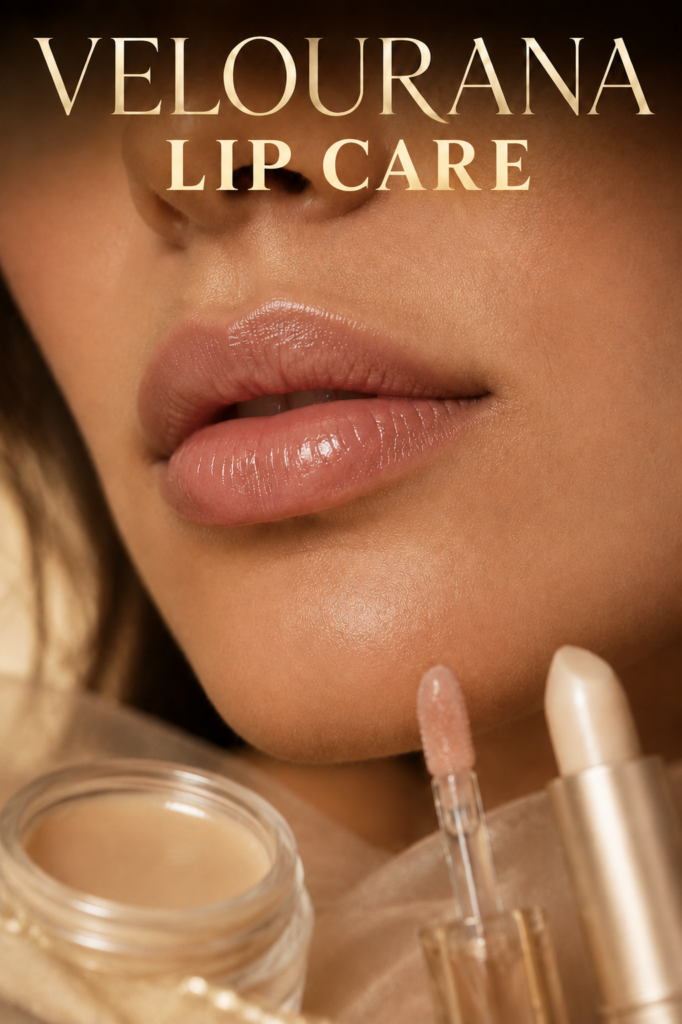
CATEGORY: Lip Discoloration
Understanding the Natural Complexity of Lip Color
Lip color is often treated as a fixed feature, something inherited and largely unchanging. In reality, the appearance of the lips reflects an intricate combination of skin pigmentation, blood circulation, hydration, environmental exposure, and individual anatomy. Even healthy lips can vary considerably in color, ranging from pale pink and warm coral to rich brown, plum, or naturally uneven combinations of several tones. These differences are normal expressions of human diversity rather than automatic signs that something is wrong.
The visible portion of the lips, known as the vermilion, has a structure different from the surrounding facial skin. Its surface is relatively thin, and the blood vessels beneath it can influence the color seen from the outside. At the same time, melanin, the pigment responsible for many variations in skin tone, also contributes to lip color. The balance between these influences differs from one person to another and can shift throughout life.
Lip discoloration becomes a concern when the color changes noticeably, develops an unfamiliar pattern, appears alongside discomfort, or persists without an obvious explanation. Darkened areas, pale patches, bluish tones, redness, purple discoloration, and uneven pigmentation can arise for very different reasons. Some changes are temporary and harmless, while others deserve professional evaluation.
Understanding lip discoloration begins with recognizing that color alone rarely provides a complete explanation. The timing of the change, its location, associated symptoms, recent product use, sun exposure, medical history, and natural baseline color all matter. A thoughtful assessment considers the whole picture rather than assuming that every darker or lighter area requires cosmetic correction.
The goal is not to create a single ideal lip shade. Healthy lips do not have to look uniformly pink, and naturally pigmented lips do not need to be lightened. Instead, the meaningful distinction lies between a person’s normal appearance and changes that may reflect irritation, environmental damage, an underlying health issue, or another process that needs attention.
How Lip Anatomy Influences Visible Pigmentation
The lips occupy a transition zone between facial skin and the moist lining inside the mouth. This unusual position gives them their distinctive texture and appearance, but it also makes them particularly responsive to environmental and biological changes. Compared with much of the surrounding skin, the lip surface has a relatively delicate protective barrier, which helps explain why dehydration, irritation, and sun exposure can become visible quickly.
Blood supply is an important contributor to lip color. Because the tissue is thin, the color of circulating blood can influence how pink, red, or purplish the lips appear. Temporary changes in temperature, physical activity, or circulation may therefore alter their appearance without indicating a lasting pigment problem. A person may notice paler lips in cold weather or a deeper tone after exercise, with the original color returning once the body settles.
Melanin contributes another layer of complexity. People with deeper skin tones often have naturally darker lips, particularly along the upper lip or the outer edges of both lips. Others have a naturally two-toned appearance, with one lip more pigmented than the other. These patterns may be stable for years and usually do not represent disease or damage.
Age also influences lip appearance. Over time, the lips can become thinner, less hydrated, and more vulnerable to cumulative environmental exposure. Their natural color may appear less vivid, and pigmentation irregularities accumulated over many years may become easier to notice. This does not mean every age-related change is harmful, but new or rapidly changing spots still deserve attention.
Hormonal changes can also influence pigmentation. Pregnancy, hormonal contraception, and other shifts in hormone levels may contribute to increased pigment around the mouth or, in some people, changes affecting the lips themselves. These changes may occur alongside facial pigmentation, although their precise appearance varies considerably.
Because multiple factors influence the final visible color, a meaningful assessment should distinguish pigment changes from circulation-related changes. A brown area caused by melanin behaves differently from a blue or purple tone caused by blood flow, and both differ from the redness associated with inflammation. Recognizing these distinctions helps avoid ineffective or inappropriate treatment.
Sun Exposure and the Development of Darker Lip Areas
Sun exposure is one of the most important environmental influences on lip appearance. The lips receive regular ultraviolet exposure during everyday activities, yet they are often overlooked when sunscreen is applied. Over time, repeated exposure can contribute to darkening, uneven pigmentation, dryness, roughness, and visible changes in texture.
Melanin production can increase in response to ultraviolet radiation as the body attempts to protect exposed tissue. On the lips, this response may appear as generalized darkening or as more distinct pigmented areas. People who spend considerable time outdoors, drive frequently, participate in outdoor sports, or live in sunny climates may notice these changes more readily.
The lower lip is especially exposed because of its position and the way sunlight reaches the face. Long-term sun damage can produce persistent dryness, scaling, blurring of the lip border, or areas that feel rough rather than simply looking darker. Such changes should not be dismissed as ordinary chapping when they do not improve.
A particular concern is actinic cheilitis, a condition associated with chronic sun exposure that commonly affects the lower lip. It may cause persistent roughness, scaling, pale or discolored areas, and changes in the normal border between the lip and surrounding skin. Because some cases can progress to more serious disease, persistent changes warrant assessment by a qualified healthcare professional.
Not every dark spot caused by sun exposure is dangerous. However, a newly developing spot that changes shape, enlarges, becomes irregular, bleeds, or fails to heal should be evaluated. The lips are visible, but familiarity can make gradual changes easy to overlook.
Daily lip protection can reduce further ultraviolet exposure. A lip product with broad-spectrum sun protection is particularly relevant for outdoor activities, and reapplication matters because eating, drinking, and wiping the lips remove protective product. Sun protection does not guarantee that existing discoloration will fade, but it can reduce one important driver of worsening pigmentation and cumulative damage.
Irritation, Inflammation, and Post-Inflammatory Darkening
Lip discoloration often develops after repeated irritation rather than appearing independently. The lips can become inflamed when exposed to fragranced products, flavoring agents, certain cosmetics, harsh exfoliants, dental products, or environmental extremes. Once the initial inflammation settles, the affected area may remain darker than the surrounding tissue.
This process is known as post-inflammatory hyperpigmentation. It occurs when inflammation stimulates increased pigment production or alters how pigment is distributed in the skin. The resulting darkening can persist long after obvious redness, peeling, or soreness has disappeared. It may be more noticeable and longer-lasting in people with medium to deep skin tones, although it can affect anyone.
Repeated lip licking is a common contributor. Saliva briefly moistens the lips but evaporates quickly, leaving them drier and potentially more irritated. Digestive enzymes in saliva can further disrupt the delicate surface. When this cycle continues, inflammation may extend beyond the lip border and eventually lead to uneven pigmentation.
Lip biting, picking, and aggressive rubbing can have similar effects. Removing dry skin may feel temporarily satisfying, but repeated mechanical injury can prolong inflammation and increase the chance of persistent discoloration. Scrubs containing coarse particles, frequent use of exfoliating acids, and rough removal of long-wearing lipstick can also contribute.
Allergic contact cheilitis is another possibility. A person may react to an ingredient in lipstick, balm, toothpaste, mouthwash, or dental materials. Symptoms can include dryness, scaling, burning, swelling, and changes in color. Because the reaction may develop after repeated exposure, even a familiar product can become relevant.
Identifying the cause is often more useful than immediately pursuing pigment-lightening products. If the irritation continues, discoloration may deepen despite attempts to treat it. A simplified routine that avoids suspected triggers and supports the lip barrier can allow inflammation to settle, although pigmentation may take considerably longer to improve.
Persistent or recurrent reactions may require dermatological assessment, particularly when the responsible ingredient is unclear. Patch testing can sometimes help identify an allergic trigger. Without that information, repeatedly changing products at random can prolong the cycle of irritation and pigment change.
Smoking, Nicotine Exposure, and Persistent Lip Darkening
Smoking is commonly associated with darker lips, although the relationship involves more than a simple surface stain. Heat, smoke exposure, and repeated chemical irritation can affect the delicate lip tissue over time. In some individuals, these influences contribute to increased melanin production and more noticeable pigmentation.
The appearance can range from subtle darkening to a more pronounced brown or uneven tone. Changes may be particularly visible along the lip borders or in areas repeatedly exposed to a cigarette. The surrounding skin may also develop discoloration or fine lines associated with repeated muscle movement and environmental damage.
Tobacco exposure can affect the mouth in other ways as well. Pigmented areas inside the mouth may develop, and chronic exposure increases the importance of monitoring persistent sores, thickened patches, unexplained bleeding, or changes that do not heal. These findings require professional evaluation rather than cosmetic treatment.
Nicotine-related products and vaping devices should not automatically be assumed harmless to the lips. Their effects differ depending on the product and ingredients, but irritation, dryness, and contact sensitivity are possible. Heat and repeated exposure to flavoring agents may also contribute to discomfort in some users.
Stopping the exposure may allow some pigment changes to improve gradually, although the degree and timing of improvement vary. Long-standing discoloration may not disappear quickly, and other contributors such as sun damage or contact irritation can remain relevant. No topical product can reliably erase the effects of continuing exposure while the underlying irritation persists.
It is also important not to assume that every darkened lip in someone who smokes is caused by smoking. A new solitary spot, a persistent ulcer, or an area that changes in shape or texture still needs individual assessment. Treating the entire appearance as a cosmetic consequence of tobacco can delay recognition of unrelated conditions.
Dehydration, Dryness, and the Illusion of Color Change
Dry lips can look discolored even when the underlying pigment has not changed substantially. When the surface becomes rough, flaky, or cracked, light reflects unevenly from the lips. This can make them appear dull, grayish, darker, or patchier than usual. Once the surface is restored, the apparent discoloration may improve.
Dehydration can contribute, but not every case of dry lips reflects inadequate water intake. Cold weather, wind, indoor heating, mouth breathing, certain medications, and frequent exposure to saliva can all disrupt the lip barrier. Lipsticks with a very matte finish or long-wearing formulas may also make dryness more noticeable.
A damaged barrier allows moisture to escape more readily. As the lips lose flexibility, tiny fissures and areas of inflammation may appear. These changes can temporarily alter visible color, and repeated episodes may eventually contribute to post-inflammatory pigmentation.
Mouth breathing is particularly relevant during sleep. People with nasal congestion, snoring, or a habit of sleeping with their mouths open may wake with dry, uncomfortable lips that appear darker or more uneven. Addressing the underlying breathing issue may be as important as applying a moisturizing product.
Certain medications can also produce significant dryness. Retinoids, some acne treatments, and other medicines may reduce moisture or increase sensitivity, making the lips more prone to irritation. If symptoms begin after a medication change, discussing them with a healthcare professional is more appropriate than discontinuing prescribed treatment independently.
A bland, protective ointment can help reduce moisture loss, especially when applied consistently and after eating or washing. Improvement in texture may reveal that much of the apparent discoloration was related to surface disruption. However, a persistent color change that remains after dryness resolves should be assessed separately.
Nutritional Deficiencies and Internal Health Considerations
Lip color can sometimes reflect broader health issues, although appearance alone cannot establish a diagnosis. Pale lips, recurrent cracking, soreness, or changes involving the corners of the mouth may occur alongside nutritional deficiencies or other medical conditions. The significance depends on the complete clinical picture rather than the color change in isolation.
Iron deficiency and anemia can contribute to pallor, including a paler appearance of the lips or inner mouth. A person may also experience tiredness, dizziness, shortness of breath, or reduced exercise tolerance. These symptoms have multiple possible causes, so laboratory testing and medical assessment are needed before drawing conclusions.
Deficiencies involving certain B vitamins may also affect the mouth and lips. Symptoms can include soreness, inflammation, cracking at the corners of the mouth, or changes in the tongue. These findings are not specific, and similar symptoms can arise from infection, irritation, or other conditions.
Vitamin B12 deficiency may be associated with oral symptoms and, in some individuals, pigmentary changes. However, lip discoloration is not a reliable way to diagnose a deficiency, and supplements should not substitute for appropriate investigation when symptoms are persistent or accompanied by other concerns.
Some systemic conditions can affect pigmentation more broadly. Hormonal disorders, medication effects, and other medical problems may produce changes involving the lips, oral lining, or skin elsewhere on the body. A new pattern affecting several areas deserves greater attention than an isolated stable feature present for many years.
A balanced diet supports overall skin and mucosal health, but targeted supplementation is most appropriate when a deficiency has been identified or a clinician recommends it. Taking large amounts of vitamins without a clear reason may not improve lip color and can create unnecessary risks.
The central principle is that unusual lip discoloration should be interpreted in context. When it appears alongside fatigue, weight changes, recurrent mouth sores, digestive symptoms, or other unexplained physical changes, medical assessment becomes more relevant than cosmetic experimentation.
Blue, Purple, White, and Red Changes That Need Different Interpretation
Not all lip discoloration involves dark brown pigmentation. Blue, purple, white, and intensely red changes can have very different causes and may require a different level of urgency. Recognizing the difference between pigment and circulation-related color is especially important.
A bluish or grayish appearance can sometimes reflect reduced oxygenation or impaired circulation. Exposure to cold may temporarily produce a purplish tone that resolves with warming, but sudden blue lips, especially alongside breathing difficulty, chest pain, confusion, or severe weakness, can indicate a medical emergency.
Purple areas may also result from a localized vascular lesion, such as a venous lake. These often appear as soft blue-purple spots, commonly on the lower lip, particularly in older adults with a history of sun exposure. Although many are benign, a new or changing lesion should be evaluated to confirm its nature.
White patches can arise from dryness, irritation, fungal infection, or other conditions affecting the mouth and lips. A persistent white patch that cannot be easily explained, especially when associated with roughness, pain, or tobacco exposure, deserves professional assessment. The appearance alone cannot determine whether it is harmless.
Bright redness may accompany inflammation, allergy, infection, or sun damage. When redness is accompanied by swelling, itching, blistering, or pain, recent exposure to a new cosmetic, toothpaste, food, or medication may be relevant. Severe swelling, particularly involving the tongue or throat, requires urgent attention.
Pale patches or lighter areas can occur for several reasons, including scarring, irritation, or pigment loss. Some people notice lighter sections after an inflammatory episode, while others may develop more distinct changes related to pigment disorders. Evaluation is particularly useful when the pale area spreads or appears elsewhere on the body.
Because these colors reflect different biological processes, one treatment approach cannot address all of them. A product intended to reduce brown pigmentation will not solve oxygen-related blueness, vascular discoloration, or persistent white lesions. Accurate interpretation must come before treatment.
Medications, Hormones, and Other Less Obvious Triggers
Some lip color changes develop after starting a medication, undergoing a hormonal transition, or experiencing a change in general health. These causes are less immediately visible than sun exposure or a reaction to lipstick, but they can be important when the timing of the change matches a new treatment or life event.
Certain medications may contribute to pigmentation changes affecting the skin, mouth, or lips. The pattern depends on the specific medication and the individual response. Some treatments can also increase sensitivity to sunlight, making sun-related pigmentation more likely when adequate protection is not used.
Hormonal changes may influence melanin production. Pregnancy and hormonal contraception can contribute to facial hyperpigmentation, and some people notice changes around the mouth or lips during the same period. These changes may improve after the hormonal influence changes, but the course is not identical for everyone.
Medical treatments that cause significant dryness can indirectly affect lip color. Persistent irritation from a compromised barrier may produce redness first and darker pigmentation later. In these situations, the medication itself may not directly darken the lips, but the associated inflammation can still alter their appearance.
Professional treatments can also play a role. Chemical peels, laser procedures, cosmetic tattooing, and other interventions near the mouth may lead to pigment changes if the skin becomes irritated or heals unevenly. The risk can be greater when procedures are not tailored to the individual’s skin tone and medical history.
When a possible medication connection exists, the appropriate response is to discuss it with the prescribing clinician. Stopping a necessary medication without guidance can create more serious problems than the cosmetic concern itself. A clinician can assess whether the medication is likely involved and whether alternatives or protective measures are appropriate.
When Professional Evaluation Becomes Important
Many lip color variations are harmless, especially when they are stable, symmetrical, and consistent with a person’s natural appearance. Nevertheless, certain changes deserve evaluation because the lips can reflect conditions that are not safely diagnosed through appearance alone.
A new dark spot that grows, develops irregular borders, changes color, bleeds, or becomes painful should be examined. The same applies to a sore that does not heal, a persistent crusted area, or a patch that feels thickened or unusually firm. These findings do not automatically mean a serious condition is present, but they should not be ignored.
Persistent roughness or scaling on the lower lip is particularly relevant in people with substantial sun exposure. A change that repeatedly returns after seeming to improve may also require assessment. Professional examination can distinguish ordinary dryness from chronic sun-related damage and other disorders.
Changes accompanied by swelling, severe pain, fever, or spreading redness may suggest infection or another acute problem. Sudden blue lips with breathing difficulty or chest symptoms require emergency medical attention rather than observation at home.
A dermatologist, dentist, primary care clinician, or oral medicine specialist may be the appropriate starting point depending on the pattern and associated symptoms. Assessment may involve examining the lips and mouth, reviewing medications and exposures, considering blood tests, or arranging further investigation when necessary.
Most importantly, professional evaluation is not reserved only for dramatic symptoms. If a change persists, feels unfamiliar, or cannot be explained by an obvious temporary cause, seeking advice can provide clarity and prevent prolonged use of unsuitable products.
A Health-Centered Perspective on Lip Discoloration
Lip discoloration is not a single condition, and its meaning cannot be reduced to whether the lips match a particular cosmetic ideal. Natural melanin, circulation, age, hydration, sun exposure, inflammation, and overall health all contribute to the color seen in the mirror.
For many people, darker lips or two-toned lips are simply normal features. Attempts to force them into a uniform pink shade can create irritation and make pigmentation more pronounced. A healthier approach respects natural variation while paying attention to changes that represent a departure from an individual’s usual appearance.
When discoloration develops, the most useful questions concern timing, symptoms, exposure, and persistence. A color change after a new lipstick suggests a different pathway from a slowly enlarging dark spot, and blue lips during shortness of breath represent an entirely different category of concern.
Gentle barrier care and sun protection can support lip health, but they cannot replace medical evaluation when warning signs are present. Similarly, cosmetic products may improve appearance without addressing the underlying cause of a new or persistent change.
Understanding the lips as living tissue rather than a surface to be corrected encourages better decisions. The objective is not perfect uniformity but comfortable, protected lips whose changing appearance is interpreted with care, accuracy, and respect for natural diversity.
THE END VELOURANA
 Discover More From Our Family of Websites
 ZodiacBearing (Astrology, Tarot, Numerology, Angel Numbers & Spiritual Guidance)
 Velourana (Beauty, Makeup, Hair Care, Skincare & Beauty Tips)
 HavenBearing (Home, Living, Organization, Décor & Everyday Inspiration)
 PawBearing (Pet Care, Dog Breeds, Animal Health, Training & Pet Products)
 PsyCatherine (Notes From the Journal of a Psychologist on Real Life)

