
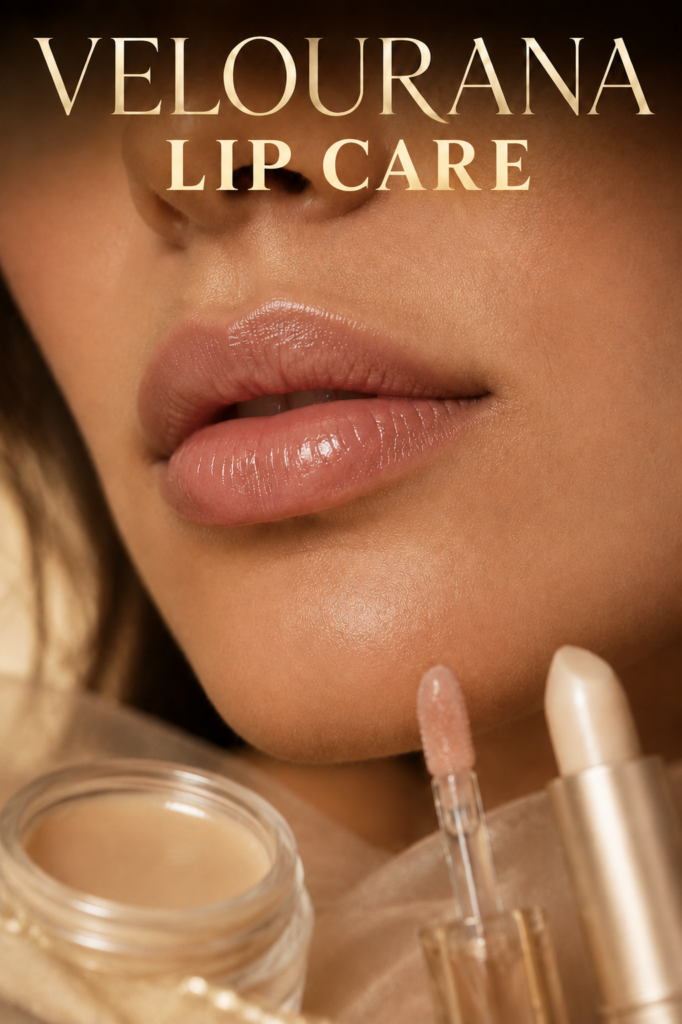
CATEGORY: Lip Balm
Lip balm is one of the simplest products in an everyday beauty routine, yet its role is more important than its size suggests. The lips are constantly exposed to weather, movement, food, drinks, cosmetics, and repeated contact throughout the day. Unlike many other areas of facial skin, they have relatively limited natural protection against moisture loss, which is one reason they can become dry, tight, flaky, or uncomfortable so quickly.
A well-formulated lip balm helps create a protective layer over the lips, reduces moisture loss, softens rough texture, and supports everyday comfort. It can be used preventively before the lips become noticeably dry or as part of a routine when environmental conditions make them feel more vulnerable.
Modern lip balms range from simple protective sticks to glossy treatments, tinted balms, SPF formulas, overnight products, and rich conditioning treatments. Despite this variety, their fundamental purpose remains similar: to help the lips maintain a smoother, more flexible surface while protecting them from conditions that can contribute to dryness.
Why the Lips Become Dry So Easily
The lips differ from much of the surrounding facial skin. Their surface is thin and does not contain the same concentration of oil-producing glands that help other areas remain naturally lubricated. This means that the lips depend heavily on their own barrier and on external protection.
Daily behavior also affects them continuously. Talking, smiling, eating, drinking, wiping the mouth, applying cosmetics, and unconsciously touching the lips all disturb whatever protective layer is present.
Weather can intensify the problem. Cold air, wind, strong sun, heated rooms, and air conditioning can all contribute to moisture loss. Even people living in relatively humid climates may notice dry lips after spending long periods in air-conditioned environments.
Lip licking creates another common cycle. Saliva temporarily makes dry lips feel moist, but as it evaporates, the surface may feel dry again. Repeating this behavior can make the sensation of dryness more persistent.
Lip balm helps by providing something saliva cannot: a longer-lasting protective film that reduces evaporation and improves the feel of the lip surface.
What Lip Balm Is Designed to Do
The central function of lip balm is protection.
Many formulations contain ingredients that coat the lips and slow the escape of water from the surface. These are known as occlusive ingredients. Petrolatum is a well-known example, while waxes, oils, and butters can also contribute to protective performance.
Emollient ingredients improve softness and smoothness. They help fill the small irregularities between dry surface cells, making the lips feel more flexible and comfortable.
Some formulas contain humectants, which help attract or retain water. These ingredients work best as part of a balanced formulation that also contains ingredients capable of helping that moisture remain within the lip surface.
Together, these components can provide both immediate and ongoing benefits. The lips may feel smoother immediately after application, while the protective layer helps reduce further moisture loss during wear.
Oils, Butters, and Waxes in Lip Balm
Lip balms often rely on a combination of oils, butters, and waxes to create their characteristic texture.
Oils provide slip and softness. Castor oil, sunflower oil, coconut oil, jojoba-derived ingredients, and numerous other plant oils may appear in formulations. Each has a different sensory character. Some feel lightweight, while others create a richer or glossier finish.
Butters such as shea butter and cocoa butter contribute richness and cushioning. They are particularly popular in products designed for lips that feel dry or exposed to cold weather.
Waxes provide structure. Beeswax is traditionally common, while plant-based waxes such as candelilla and carnauba are frequently used in vegan formulations.
The balance between these materials determines how the finished product feels. Too much wax can make a balm feel stiff. Too much oil can make it slippery and short-lived. A well-balanced formula should glide comfortably while leaving enough product behind to provide meaningful protection.
Why Texture Matters
Texture may appear to be a cosmetic preference, but it strongly influences whether a person uses lip balm consistently.
Some people prefer a lightweight balm that almost disappears after application. Others want a thick, cushiony layer that remains noticeable for hours.
Stick balms are practical and portable. They can be used quickly without touching the product directly. Squeeze tubes often contain softer formulas that create richer coatings. Pot balms may feel luxurious but usually require application with a finger or applicator.
Gloss-like balm treatments have also become popular. These products combine the shine associated with lip gloss with conditioning ingredients traditionally associated with skincare.
There is no universally superior texture. The best option is the one that provides enough protection while remaining pleasant enough to use regularly.
Fragrance, Flavor, and Sensitive Lips
Lip products are often fragranced or flavored because they are applied so close to the nose and mouth. Vanilla, mint, fruit, cocoa, floral notes, and sweet flavors can make balm application more enjoyable.
However, sensitive lips may react differently.
If a balm repeatedly causes burning, itching, redness, or increased irritation, it should not simply be reapplied more frequently. A simpler fragrance-free formula may be more suitable.
Cooling ingredients can also create strong sensations. Some people enjoy the freshness of mint or menthol, while others find these ingredients uncomfortable.
Sensitivity is highly individual. A fragranced balm may work perfectly well for one person and feel irritating to another. Product choice should therefore be based on actual tolerance rather than assumptions about which ingredient category is universally best.
Lip Balm as Preventive Care
Many people reach for lip balm only when their lips are already visibly dry. However, balm can be particularly effective as preventive care.
Applying balm before exposure to cold weather or strong wind can help create a protective barrier before discomfort begins.
Using it during long periods in dry indoor environments can also reduce the gradual tightness that sometimes develops throughout the day.
Preventive application is especially useful for people who know that certain conditions consistently affect their lips. Someone who experiences dryness every winter, for example, may benefit from introducing a richer balm before severe flaking begins.
The goal is not to keep the lips permanently coated. It is to provide support during circumstances that increase the likelihood of moisture loss.
Lip Balm During the Day
Daytime lip care should be practical.
A comfortable balm can be applied during a morning skincare routine and reapplied whenever the protective layer has worn away. Eating, drinking, and wiping the mouth naturally remove product, so reapplication is expected.
There is no fixed number of times lip balm must be applied each day. The appropriate frequency depends on the formula, environment, personal habits, and condition of the lips.
Someone working in a strongly air-conditioned office may need balm more frequently than someone in a mild environment.
A person who drinks frequently from bottles or cups may also remove lip products faster.
The important point is to respond to the condition of the lips rather than creating an unnecessarily rigid schedule.
SPF Lip Balm and Daytime Protection
Sun exposure affects the lips as well as the rest of the face.
Yet the lips are often forgotten during sunscreen application. A dedicated lip balm containing tested SPF can provide a convenient way to protect them.
This becomes especially important during extended outdoor exposure, including beach days, boating, hiking, skiing, outdoor sports, and long periods in direct sunlight.
Lip SPF requires reapplication because eating, drinking, wiping, and ordinary mouth movement can remove the product.
An ordinary balm should not be assumed to provide meaningful UV protection unless it is specifically formulated and labeled with an appropriate SPF claim.
For people who spend substantial time outdoors, keeping an SPF lip balm alongside facial sunscreen can make lip protection easier to remember.
Lip Balm Before Makeup
Lip balm can improve the appearance and comfort of lipstick, especially when the lips feel slightly dry.
The most effective approach is usually to apply balm before beginning makeup and allow it time to settle.
By the time lipstick is applied, the lips may feel softer and more flexible.
If the balm has left a heavy or greasy layer, excess product can be gently blotted before applying color.
This is particularly important with long-wearing or matte lipsticks. These formulas often adhere better to a smooth but relatively dry surface than to a thick layer of balm.
Creamy lipsticks and glosses are generally more forgiving.
Lip balm therefore supports makeup indirectly by improving the surface on which lip color is applied.
Tinted Lip Balm
Tinted lip balm combines lip care with sheer cosmetic color.
These products are popular because they can create a polished appearance without requiring the precision associated with traditional lipstick.
A tinted balm usually allows some of the natural lip tone to remain visible, producing a softer and more casual result.
Many can be reapplied without a mirror, making them practical for everyday use.
The amount of pigment varies significantly. Some formulas provide barely noticeable color, while others can build to a stronger tint.
The best tinted balms balance appearance with comfort. If a product provides attractive color but leaves the lips feeling dry, it is functioning more like makeup than effective everyday lip care.
Overnight Lip Care
Nighttime is an excellent opportunity to use a richer lip balm because the product can remain relatively undisturbed.
During the day, lip products are repeatedly removed through eating, drinking, conversation, and contact. Overnight, a balm can remain on the lips for several hours.
A generous layer before bed may be especially helpful during winter, after prolonged environmental exposure, or whenever the lips feel unusually dry.
Some products are marketed specifically as lip masks, but the distinction between a lip mask and a rich balm is often largely based on texture and positioning.
A sufficiently protective conventional balm can perform a similar overnight role.
The objective is simple: reduce overnight moisture loss and allow the lips to remain comfortable until morning.
Lip Balm and Exfoliation
Flaky lips often create the temptation to scrub away rough surface material.
Occasional gentle exfoliation may improve the appearance of the lips before makeup, but frequent or aggressive exfoliation can create irritation.
The lips do not need to be perfectly smooth to be healthy.
In many cases, applying a rich balm and allowing dry surface material to soften naturally can be more comfortable than repeatedly using scrubs.
Picking or biting loose skin can also prolong irritation by removing material before it is ready to detach.
Lip balm helps create a softer environment in which roughness can gradually improve without unnecessary mechanical disruption.
Seasonal Lip Balm Changes
Lip needs often change throughout the year.
Winter usually increases demand for rich, protective formulas. Cold temperatures, wind, low humidity, and indoor heating can combine to make the lips feel increasingly dry.
Summer creates different priorities. Lightweight formulas may feel more comfortable, while SPF becomes especially important.
Travel introduces additional variation. Aircraft cabins are dry, and rapid movement between climates can change lip comfort within hours.
Someone may therefore prefer a lightweight daytime balm during summer, an SPF balm for outdoor exposure, and a denser formula during colder months.
Changing products according to conditions is not unnecessary complication. It is simply adapting protection to the environment.
Choosing a Lip Balm for Dry Lips
Dry lips usually benefit from formulas that remain on the surface long enough to provide effective protection.
A balm containing substantial occlusive and emollient ingredients may feel more useful than an extremely lightweight product.
Texture should still be comfortable because a product that feels unpleasant is unlikely to be applied consistently.
Persistent dryness should also encourage examination of habits. Frequent licking, picking, or exposure to wind may be contributing to the problem.
Lip balm can support the surface, but its effect may be limited when the lips are continually exposed to behaviors or conditions that remove the protective layer.
Choosing a Lip Balm for Sensitive Lips
Sensitive lips often benefit from simpler formulas.
Fragrance-free products may be easier to tolerate because they eliminate one common category of unnecessary sensory ingredients.
Strong flavors, essential oils, and cooling agents may also be avoided when they appear to cause discomfort.
The goal is not to find the longest ingredient list or the product with the most active claims. It is to identify a formula that protects without creating additional irritation.
When lips repeatedly burn, swell, crack severely, or remain persistently irritated, professional assessment may be appropriate rather than continued experimentation with cosmetic products.
Lip Balm and Natural Lip Texture
Natural lips contain lines and variations in texture.
These features should not automatically be interpreted as dryness.
A balm can soften the surface and reduce the appearance of roughness, but it cannot and should not eliminate normal anatomy.
The increasing influence of edited beauty imagery can sometimes create unrealistic expectations of perfectly smooth lips.
Healthy-looking lips are better evaluated according to comfort, flexibility, and absence of persistent irritation than according to whether every natural line is invisible.
This distinction helps prevent over-exfoliation and unnecessary product use.
Lip Balm Hygiene
Because lip balm comes into direct contact with the mouth, reasonable hygiene is important.
Stick and squeeze-tube formats allow application without touching the product directly.
Pot balms can also be used hygienically when applied with clean hands.
Sharing lip products is generally best avoided, particularly when anyone involved has an active cold sore or other infection around the mouth.
Products should also be stored appropriately. Excessive heat can soften or alter wax-based formulas.
If a balm develops an unusual smell, texture, or appearance, replacing it may be preferable to continuing use.
Expensive Versus Affordable Lip Balm
Price does not automatically indicate protective effectiveness.
Affordable balms can provide excellent everyday support when they contain effective occlusive and emollient ingredients.
Luxury products may offer more sophisticated textures, fragrances, packaging, or cosmetic finishes.
These qualities can make application more pleasurable, but they do not necessarily mean that the basic protective function is dramatically superior.
Lip balm is therefore a category where personal preference strongly influences value.
Someone may happily pay more for an elegant texture or beautiful packaging, while another person may receive everything needed from a straightforward pharmacy formula.
Both choices can be appropriate if the lips remain comfortable.
When Lip Balm Is Not Enough
Most occasional dryness can be supported with ordinary lip care.
However, severe or persistent lip problems should not automatically be treated as simple dryness.
Deep cracking, repeated bleeding, significant swelling, sores, severe burning, or irritation that spreads beyond the lips may require professional assessment.
A cosmetic balm is designed for supportive care, not for diagnosing or treating every possible lip condition.
Recognizing this boundary is important because continuously changing balms can sometimes delay identification of the underlying cause of persistent symptoms.
Building a Simple Lip Balm Routine
Everyday lip care does not need to become complicated.
A balm can be applied in the morning, reapplied when necessary during the day, and used more generously at night when the lips need additional support.
During significant daylight exposure, an SPF lip balm can become part of the sunscreen routine.
Before lipstick, balm can be used earlier in the makeup process to soften the lips.
These simple habits are usually more useful than constantly introducing new treatments.
Consistency matters more than complexity.
The Lasting Value of Lip Balm
Lip balm has remained a beauty essential because it addresses a basic need with very little effort.
It protects, softens, improves comfort, and fits easily into almost any routine.
The category may continue to evolve through new textures, ingredients, colors, and packaging, but its central role is unlikely to change.
The lips are exposed, delicate, constantly moving, and easily affected by environmental conditions.
A well-chosen balm provides a simple layer of support that can make the difference between lips that continually demand attention and lips that simply feel comfortable.
That quiet effectiveness is what makes lip balm one of the most enduring products in everyday beauty care.
THE END VELOURANA
 Discover More From Our Family of Websites
 ZodiacBearing (Astrology, Tarot, Numerology, Angel Numbers & Spiritual Guidance)
 Velourana (Beauty, Makeup, Hair Care, Skincare & Beauty Tips)
 HavenBearing (Home, Living, Organization, Décor & Everyday Inspiration)
 PawBearing (Pet Care, Dog Breeds, Animal Health, Training & Pet Products)
 PsyCatherine (Notes From the Journal of a Psychologist on Real Life)

