CATEGORY: Fluffy Brows
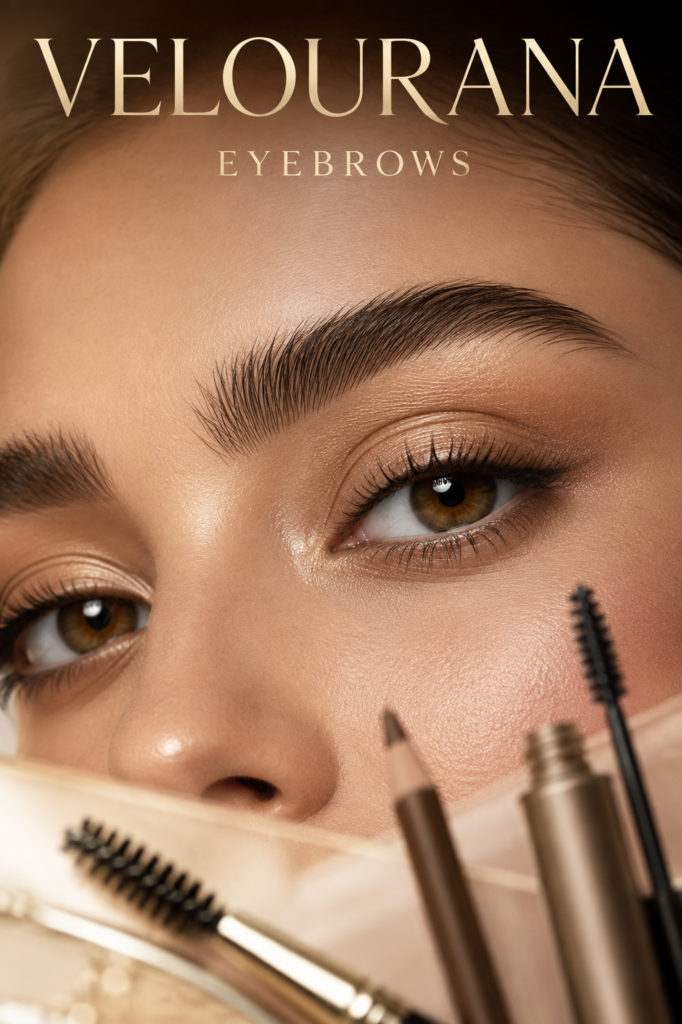
Fluffy brows have become one of the defining eyebrow aesthetics of contemporary beauty, yet their appeal reaches far beyond any single trend. At their best, fluffy brows create the impression of natural density, softness, movement, and effortless structure. Individual hairs remain visible rather than disappearing into a solid block of pigment, and the brow appears groomed without looking rigid. The result can subtly open the eye area, give the face greater definition, and preserve the individuality of the natural brow.
What makes the fluffy brow distinctive is not simply fullness. A naturally thick eyebrow can still appear compact, flat, or heavily sculpted, while a relatively moderate brow can be styled to look airy and dimensional. The essential quality is separation. Brow hairs are encouraged to remain individually recognizable, usually with a lifted or softly diagonal direction, while gaps and variations in density are handled carefully rather than concealed beneath excessive color.
This balance explains why fluffy brows can look deceptively simple. The finished effect suggests that very little has been done, but successful styling depends on understanding hair direction, density, texture, facial proportions, product behavior, and restraint. Too much hold can make the hairs look laminated or stiff. Too much pigment can remove the softness that defines the style. Too much upward direction can make the brow appear startled or unnatural. The technique succeeds when structure is present but does not dominate.
What Defines a Fluffy Brow
A fluffy brow is characterized primarily by visible hair texture and controlled volume. Instead of emphasizing a sharply outlined silhouette, the technique emphasizes the brow as a collection of individual hairs. The inner portion generally looks soft and slightly lifted, the central body maintains fullness and direction, and the tail becomes progressively more refined without turning excessively thin or severe.
This approach differs from older highly sculpted brow styles in which the upper and lower borders were often deliberately drawn. A sharply carved lower line, strongly filled center, and precisely tapered tail can produce striking definition, but those characteristics work against the visual lightness of a fluffy brow. With fluffy styling, boundaries are suggested by the hairs themselves.
The word "fluffy" can sometimes create the impression that every hair should point vertically upward. That interpretation is usually too literal. Natural brow growth changes direction across the eyebrow. Hairs near the inner corner may grow upward, while those through the middle commonly move upward and outward. Toward the arch and tail, the direction becomes increasingly horizontal or diagonal. Following these changes generally produces a more believable result than forcing the entire brow into one direction.
Volume also matters. The objective is not necessarily to make the eyebrow as large as possible. Instead, styling creates small amounts of space between hairs, allowing their individual shape to become visible. This separation gives the eyebrow a softer, more expansive appearance without requiring a dramatic increase in its actual dimensions.
Natural Brow Architecture Comes First
Successful fluffy brows begin with the existing eyebrow rather than an imposed template. Every brow has its own architecture: a starting point, natural width, density pattern, growth direction, arch position, tail length, and relationship to the surrounding facial features. Working with these characteristics usually creates a more sophisticated result than attempting to reproduce another person's eyebrow exactly.
The front of the brow deserves particular attention because it strongly influences whether the finished effect appears natural. Real eyebrow hairs rarely form a perfectly straight vertical wall at the inner edge. Density often varies, and individual hairs may begin at slightly different positions. Preserving some of this irregularity contributes to softness.
Through the body of the brow, density typically becomes greater. This is where excessive product can easily accumulate. Because the hairs themselves already create color and shadow, adding heavy pigment beneath them can make the center of the brow appear dense and opaque. Fluffy styling generally benefits from treating visible gaps selectively rather than coloring the entire area uniformly.
The arch is another important structural point. Lifting the hairs can visually raise the upper boundary of the brow, which means an already pronounced arch may appear even stronger after styling. A softer arch may gain attractive definition from the same technique. The direction and amount of lift therefore need to respond to the natural shape rather than follow a fixed formula.
At the tail, refinement becomes more important than volume. Maintaining visible hair texture is desirable, but aggressively brushing tail hairs upward can distort the natural taper. A gentle outward or diagonal direction often preserves the elongated finish of the eyebrow while keeping the overall style cohesive.
Creating Lift Without Losing Softness
The visual signature of fluffy brows comes largely from the relationship between lift and softness. Lift exposes more of each hair, making the brow appear fuller and giving the upper edge a feathered quality. Softness prevents that lift from becoming rigid.
A spoolie is central to establishing the shape because it reveals how the hairs behave before significant product is added. Brushing through the brow can expose areas of density, sparse zones, unusually long hairs, and sections that naturally resist a particular direction. This information is valuable because fluffy styling depends heavily on manipulating the actual hairs rather than drawing an entirely new brow over them.
At the inner brow, hairs can often tolerate a more vertical orientation. Moving toward the center, a gradual diagonal direction tends to appear harmonious. The outer brow generally benefits from being guided toward the temple rather than straight toward the forehead. The transition should be gradual enough that the viewer does not perceive separate styling zones.
Pressure is equally important. Repeatedly pressing the hairs flat against the skin can create excellent hold but may reduce the airy dimension associated with fluffiness. Conversely, barely touching the hairs may provide insufficient control. The desired result lies between these extremes: enough contact to establish direction while allowing the hair shafts to retain visible texture.
Hair length influences the effect as well. Longer brow hairs naturally create greater visual volume when lifted. Shorter hairs may produce a more subtle feathered effect. Neither is inherently better. The technique should respond to what is present rather than attempting to manufacture an unrealistic degree of fullness.
Choosing Hold According to Brow Texture
Different eyebrow textures require different levels and types of control. Fine hairs may respond easily to lightweight clear gel, while coarse or downward-growing hairs may require a stronger styling medium. Understanding this difference prevents unnecessary product buildup.
Clear brow gels are often particularly compatible with fluffy brows because they alter direction without adding substantial color. A flexible formula can preserve movement and separation, while a stronger formula can support hairs that tend to fall back into their natural position. Tinted gels introduce additional density and can be useful where the brow appears pale or visually sparse, although their color should be distributed carefully.
Brow waxes can provide greater control, particularly for thicker or more resistant hairs. Their texture can help maintain lift for longer periods, but excessive wax may make the eyebrow appear coated. The same consideration applies to brow soaps and soap-inspired styling products. These can create pronounced separation and elevation, but the amount used has a major influence on whether the result looks soft or heavily laminated.
The condition of the hair and skin also affects product performance. Very oily skin can reduce longevity, while an excessive layer of skincare beneath the brow may interfere with adhesion. Conversely, using strongly drying products repeatedly may make the hairs feel less supple. A balanced surface allows styling products to perform without unnecessarily altering the appearance of the hair.
Layering can be more effective than applying a large quantity at once. A thin initial application establishes direction, after which additional product can be placed only where stronger hold is required. This approach also reduces the likelihood of visible residue.
Filling Fluffy Brows Without Creating a Solid Brow
One of the most important distinctions in fluffy brow technique is the difference between filling gaps and filling the brow. The first preserves dimension; the second can easily eliminate it.
Hairlike strokes are particularly suited to the style because they mimic the visual language already established by the natural hairs. A fine brow pencil or brow pen can place pigment selectively where density is missing. The strokes do not need to be identical. Slight differences in length, direction, and spacing often make them appear more convincing.
The inner brow typically requires the lightest treatment. Strong pigment at the front can create a squared or stamped appearance that immediately conflicts with the softness of the style. When additional density is necessary, fine upward strokes can echo the direction of the existing hairs without forming a hard border.
Through the central brow, strokes can become slightly more diagonal. Sparse areas beneath the arch may require careful reinforcement, but the objective remains integration rather than coverage. The natural skin showing between hairs contributes to the airy character of the brow and does not always need to be concealed.
The tail may tolerate slightly greater definition because natural density often decreases there. Even so, a completely solid tail can look disconnected from a textured front and body. Maintaining some variation in pigment keeps the eyebrow visually coherent.
Shade selection also affects realism. Extremely dark pigment can make individually drawn strokes conspicuous, particularly when the natural hairs are lighter or have subtle tonal variation. A shade that relates closely to the brow hair can create depth without overpowering the texture. In some cases, a slightly softer shade produces more natural integration than an exact but highly saturated match.
Fluffy Brows Across Different Brow Densities
Fluffy styling is often associated with naturally thick eyebrows, but the aesthetic is not limited to them. The interpretation simply changes according to density.
Dense brows already possess the material needed to create substantial volume. Their main challenge is often control. When every hair is lifted aggressively, the eyebrow can become visually oversized. Selective direction is therefore important. Some hairs can remain closer to their natural angle while others are elevated to create texture.
Medium-density brows offer considerable flexibility because they contain enough natural hair to establish the effect while leaving small spaces where strategic filling can enhance fullness. The styling product creates separation, while a pencil or pen can reinforce areas that appear uneven.
Sparse brows require a more delicate approach. Attempting to create extreme fluffiness where relatively few hairs exist can draw attention to the spaces between them. Instead, natural hairs can be lifted gently while fine strokes extend the texture into sparse areas. The goal becomes the impression of soft density rather than dramatic volume.
Brows with missing sections can also benefit from the technique because individual strokes integrate naturally with separated hairs. However, the drawn texture should follow the same directional pattern as the surrounding brow. Vertical strokes throughout an area where the real hairs grow diagonally can appear artificial.
The fluffy concept therefore remains adaptable. It is not a requirement for a particular quantity of hair but a method of emphasizing texture, separation, and natural-looking direction.
Facial Balance and the Degree of Fluffiness
Eyebrows occupy a relatively small area of the face, yet changes in their height, width, and density can noticeably alter overall expression. Fluffy styling can visually expand the brow upward, making its relationship with the eyes and forehead slightly different from that of a traditionally groomed brow.
A naturally low-set brow may appear more open when hairs are lifted. A very high arch may require more restrained elevation to avoid exaggerating verticality. Broad, dense brows can provide strong facial framing, while narrower brows may benefit from subtle feathering that adds texture without dramatically changing their proportions.
The eye area also matters. Fluffy brows can complement minimal eye makeup by supplying texture and definition without relying on strong color. With elaborate eye makeup, the brows may need enough structure to remain visually balanced but not so much volume that they compete with the eyes.
There is no universal ideal degree of fluffiness. The most harmonious version is often the one that still looks recognizably connected to the wearer's natural eyebrow. Trends can inspire the direction, but facial balance determines how strongly the idea should be expressed.
This is especially relevant when comparing editorial imagery with everyday styling. Photography, lighting, retouching, and makeup intensity can support highly exaggerated brows that may look very different in natural daylight. A softer interpretation often translates more easily into daily wear.
Grooming and the Importance of Strategic Restraint
Fluffy brows depend on visible hair, so grooming choices have a direct effect on what can be achieved. Over-removing hair reduces the material available for texture and can make it more difficult to create natural fullness.
Tweezing can still be part of maintaining the style, particularly where isolated hairs fall clearly outside the desired shape. The distinction lies in avoiding excessive refinement of the main brow boundaries. A perfectly smooth upper line can undermine the feathered effect, while leaving every stray hair untouched may make the brow appear ungroomed rather than intentionally fluffy.
Trimming requires similar judgment. Long hairs contribute significantly to volume, and cutting them too short can reduce the ability to create lift. On the other hand, exceptionally long hairs may extend far beyond the desired silhouette when brushed upward. Assessing them in their styled position before trimming is more informative than trimming them while they lie flat.
The objective is not deliberate untidiness. Fluffy brows are controlled, but their control is subtle. The distinction between natural-looking texture and neglect lies in proportion, direction, and intentional placement.
This restrained grooming philosophy can also make the style easier to evolve. Because the natural structure has not been aggressively altered, the eyebrow can be worn in a softer, sleeker, or more defined way on different occasions.
Why Texture Makes the Style Feel Modern
The enduring appeal of fluffy brows is closely connected to a broader shift in beauty toward visible texture. Skin is increasingly allowed to look like skin, individual lashes remain visible, and hair texture is often celebrated rather than completely controlled. Fluffy eyebrows participate in the same visual language.
Individual brow hairs introduce subtle irregularity. That irregularity makes the result feel less manufactured because natural features are rarely perfectly uniform. The eye recognizes small differences in spacing, angle, length, and density as signs of authenticity.
This does not mean precision has disappeared from brow styling. Instead, precision has moved beneath the surface. The stylist or wearer controls the brow carefully enough that the final result does not advertise the effort involved. Sophistication comes from knowing which details to refine and which to leave visibly natural.
The contrast between structure and spontaneity is particularly important. A brow that is completely uncontrolled may lack definition, while one that is excessively perfected may lose personality. Fluffy brows occupy the territory between these extremes.
Maintaining the Effect Throughout the Day
Longevity depends on hair texture, product formulation, environmental conditions, and the amount of movement or contact the eyebrow experiences. Stronger hold is not automatically the best solution because increasing hold can also increase stiffness or residue.
A clean brow surface generally gives styling products a more predictable foundation. Excess oils or rich creams can affect how gels and waxes adhere. Once the product is applied, allowing it to set without repeatedly touching the hairs helps preserve direction.
Humidity can influence certain formulas and naturally textured brow hairs. Coarse hairs may gradually return toward their original direction, while very fine hairs may lose lift. Choosing a product appropriate to the hair type is therefore more useful than applying the same heavy formula to every brow.
If pigment is added, it should remain visually integrated even if the hairs shift slightly during wear. This is another reason to avoid drawing a rigid outer shape beneath fluffy styling. When the hairs move but the underlying pigment remains sharply outlined, the two layers can begin to look disconnected.
A successful fluffy brow should age gracefully over the course of the day. Minor movement is not necessarily a flaw. Because softness is part of the aesthetic, a small reduction in lift can still look natural and attractive.
The Lasting Appeal of Fluffy Brows
Fluffy brows endure because they combine definition with individuality. They can be polished without becoming severe, full without appearing blocky, and contemporary without requiring the natural eyebrow to be completely reshaped.
Their most important principle is respect for visible hair. Direction, separation, selective filling, and appropriate hold all serve that principle. Products support the eyebrow rather than replacing it, and grooming refines the shape without erasing its natural variation.
The most successful interpretation does not announce a technique. It simply makes the brows appear fuller, softer, more dimensional, and harmoniously framed around the eyes. Whether the natural brows are dense or sparse, straight or arched, fine or coarse, the fluffy approach can be adapted by changing the degree of lift and the amount of added definition.
Ultimately, fluffy brows demonstrate that softness and structure do not have to be opposites. When each is carefully balanced, the eyebrow retains its natural character while gaining enough control to frame the face with clarity and expression.
THE END VELOURANA
 Discover More From Our Family of Websites
 ZodiacBearing (Astrology, Tarot, Numerology, Angel Numbers & Spiritual Guidance)
 Velourana (Beauty, Makeup, Hair Care, Skincare & Beauty Tips)
 HavenBearing (Home, Living, Organization, Décor & Everyday Inspiration)
 PawBearing (Pet Care, Dog Breeds, Animal Health, Training & Pet Products)
 PsyCatherine (Notes From the Journal of a Psychologist on Real Life)