
CATEGORY: Eye Patches
Eye patches occupy an unusual place in skincare. They are small, temporary and highly targeted, yet they can transform the way the under-eye area feels and appears within a relatively short period. Their appeal is partly practical: rather than applying a product across the entire face, an eye patch concentrates a serum-rich treatment precisely where dryness, puffiness, fatigue and fine dehydration lines are often most noticeable. But their popularity is not simply the result of convenience or visual appeal. A well-formulated eye patch creates a distinctive skincare environment, combining concentrated ingredients with temporary occlusion to help the delicate skin beneath the eyes retain moisture and feel smoother.
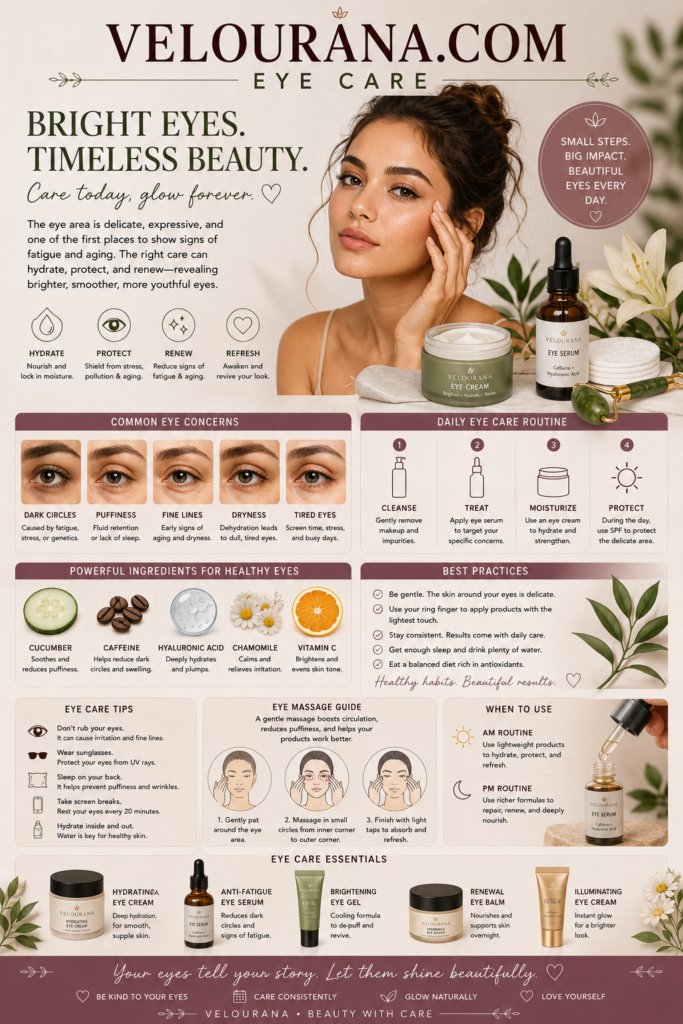
The under-eye area has characteristics that make this type of treatment particularly relevant. Skin around the eyes is thinner than much of the skin elsewhere on the face, contains fewer sebaceous glands and is constantly affected by facial movement. Smiling, squinting and blinking repeatedly fold and stretch the skin, while environmental exposure and moisture loss can make existing texture appear more obvious. Lack of sleep, allergies, fluid retention and natural facial anatomy can further influence the appearance of the area.
Eye patches cannot erase every concern associated with the eyes, nor should they be expected to. Their strength lies instead in temporary hydration, comfort, surface smoothing and the delivery of carefully selected skincare ingredients. Understanding how they work makes it easier to distinguish between realistic benefits and exaggerated expectations.
Why the Under-Eye Area Responds Differently to Skincare
The skin surrounding the eyes behaves differently from the thicker, often oilier skin found across areas such as the forehead, nose and chin. Because it has relatively limited natural oil production, the under-eye region may lose moisture quickly. When the surface becomes dehydrated, fine lines can appear sharper and concealer may settle unevenly into texture.
This does not necessarily mean that every visible line represents permanent structural aging. Some lines become more prominent simply because the outer layers of the skin lack sufficient water. Hydration can temporarily plump these superficial areas, softening their appearance and creating a smoother-looking surface.
The eye area is also particularly responsive to changes in circulation and fluid distribution. A person may wake with noticeable puffiness that gradually diminishes as the day progresses. Salt intake, sleep position, seasonal allergies and ordinary variations in fluid retention can all contribute. Cooling products may temporarily make this puffiness appear less pronounced, which helps explain the popularity of chilled eye patches in morning skincare routines.
Darkness beneath the eyes is more complicated. What is commonly described as a dark circle may result from pigmentation, visible blood vessels through thin skin, shadows created by facial structure, loss of volume, or several of these factors simultaneously. A hydrating patch may make the area look brighter and more refreshed because the surface becomes smoother and more reflective, but it cannot fundamentally change every anatomical cause of darkness.
This distinction matters because eye patches are most effective when their purpose is understood realistically. They are excellent vehicles for hydration and short-term cosmetic improvement. Some formulations can also support longer-term skincare goals when used consistently, particularly when they contain ingredients selected for barrier support, antioxidant protection or gentle brightening. They are less capable of altering structural characteristics such as deep hollows or substantial volume loss.
What Makes an Eye Patch Different From Ordinary Eye Cream
At first glance, an eye patch may appear to be little more than a shaped piece of material soaked in serum. The important difference is the environment created while that material remains against the skin.
Many eye patches are made from hydrogel, cellulose, fabric or other flexible materials designed to hold a liquid skincare formula. Once positioned beneath the eye, the patch keeps that formula in prolonged contact with the surface. At the same time, it partially limits evaporation. This temporary occlusive effect can encourage the outermost layers of the skin to retain more water.
That mechanism explains why the skin often looks noticeably smoother immediately after a patch is removed. Hydrated cells within the stratum corneum swell slightly, making superficial texture appear softer. Fine dehydration lines may become less obvious and the skin may feel more supple.
An eye cream works differently. Creams and gels are generally designed to remain on the skin rather than being removed after a defined treatment period. They may contain humectants, emollients and occlusive ingredients that continue supporting moisture retention for several hours. Eye patches, by contrast, function more like concentrated treatment sessions.
The two formats therefore do not necessarily compete. A patch can provide an occasional intensive hydration step, while an eye cream can form part of a regular routine. Someone with persistent dryness may use both at different stages, whereas another person may find that a lightweight moisturizer around the eyes already provides sufficient daily support and reserve patches for occasions when the area looks particularly tired.
The experience of wearing a patch also contributes to its appeal. Because the product remains physically present beneath the eyes, users are more likely to leave the serum undisturbed for several minutes. The treatment becomes deliberate rather than incidental. This ritualistic quality has helped make eye patches popular, but the sensory experience should not obscure the importance of formulation. A beautifully shaped patch containing irritating ingredients is still an unsuitable skincare product.
Hydration Is the Foundation of Most Effective Eye Patches
The most dependable benefit of an eye patch is hydration. Many formulas therefore rely heavily on humectants, substances that attract and hold water within the upper layers of the skin.
Hyaluronic acid is one of the most familiar examples. It is valued for its ability to bind water and contribute to a plumper, more hydrated surface. Different molecular forms of hyaluronic acid may be used within cosmetic formulations, although marketing descriptions about molecular size should not automatically be interpreted as evidence of dramatically deeper biological effects.
Glycerin is another important humectant and is often less glamorous in marketing despite being exceptionally useful. It supports hydration and helps maintain the flexibility of the skin's outer layers. Betaine, panthenol, sodium PCA and various sugar-derived humectants may perform complementary functions.
Hydration becomes particularly valuable beneath the eyes because dryness can exaggerate almost every other visible concern. A dehydrated surface can make lines look deeper, shadows harsher and makeup more textured. Restoring water does not remove the underlying causes of these concerns, but it can improve their presentation.
Emollient ingredients may accompany humectants. These help soften the skin and fill microscopic irregularities between surface cells, creating a smoother feel. Depending on the formulation, botanical oils, lightweight esters, squalane or lipid-like ingredients may contribute to this effect.
Barrier-supportive components such as ceramides can be especially useful for dry or compromised skin. The skin barrier regulates water loss and protects against environmental irritants. When it is functioning poorly, the eye area may feel tight or sensitive. A treatment that combines hydration with appropriate lipids can therefore provide more complete support than one focused exclusively on humectants.
The formulation must remain balanced. Extremely rich ingredients can feel heavy beneath the eyes, while strongly fragranced formulas may be uncomfortable for sensitive users. The best eye patch is not necessarily the one containing the longest ingredient list. It is the one whose ingredients serve a coherent purpose without introducing unnecessary irritation.
Puffiness, Cooling and the Refreshed-Eye Effect
Few skincare experiences are as immediately satisfying as applying cool eye patches to puffy eyes in the morning. The sensation alone can feel revitalizing, but there is also a physiological basis for some of the temporary improvement people observe.
Cooling causes superficial blood vessels to constrict temporarily and can influence the appearance of swelling. A chilled patch may therefore make mild morning puffiness look less pronounced. The gentle pressure created by the patch against the skin may also contribute to the sensation of reduced swelling.
This is why refrigeration has become closely associated with eye patches. Many products can be stored in a cool environment, although manufacturer instructions should always determine whether refrigeration is appropriate. Freezing is generally unnecessary and potentially uncomfortable because excessively cold material can irritate delicate skin.
Caffeine is frequently included in formulas marketed for puffiness and tired-looking eyes. In topical cosmetics, caffeine is valued partly for its relationship with microcirculation and its antioxidant properties. It may contribute to a temporarily more awake appearance, particularly when combined with hydration and cooling.
Botanical ingredients such as green tea extracts may also appear in these formulations. Green tea contains antioxidant compounds and can complement soothing formulas, although the effectiveness of any botanical depends on its concentration, extraction method and overall formulation. The mere presence of a fashionable plant extract does not guarantee meaningful performance.
Persistent or pronounced under-eye bags should not be confused with temporary morning puffiness. Genetic anatomy, changes in facial tissues and protrusion or redistribution of fat around the eyes can create fullness that topical skincare cannot substantially remove. Eye patches may improve the surface appearance of the skin over these areas, but they cannot remodel the underlying anatomy.
This difference between temporary fluid-related puffiness and structural under-eye bags is one of the most important expectations to establish. Eye patches excel at refreshing. They are not substitutes for medical or cosmetic procedures designed to alter deeper tissue structures.
Brightening Ingredients and the Complexity of Dark Circles
The phrase "brightening eye patch" appears frequently in beauty marketing, yet under-eye darkness has several possible origins. A formula can therefore be genuinely useful for one form of discoloration while having limited influence on another.
When darkness is associated partly with pigmentation, ingredients used to support a more even-looking skin tone may be relevant. Niacinamide is a common example. This versatile form of vitamin B3 supports barrier function and can help improve the appearance of uneven pigmentation over time. It is generally well tolerated at appropriate concentrations, making it suitable for many eye-area formulations.
Vitamin C and its derivatives may also appear in brightening patches. Vitamin C is valued for antioxidant activity and its role in skin-brightening routines, although stability is an important formulation challenge. Different derivatives vary in their properties, and a label simply announcing "vitamin C" reveals little about the product's actual performance.
Licorice-derived ingredients, certain peptides and other tone-supporting compounds may be incorporated into sophisticated formulas. Their value depends on concentration, formulation stability and regular use. An eye patch worn occasionally before an event should not be expected to produce the same cumulative effects as a consistently applied leave-on treatment.
When darkness results primarily from visible vascular coloration beneath thin skin, pigment-focused ingredients may offer less dramatic improvement. When it results from tear-trough hollows, the apparent darkness may actually be a shadow. No topical brightener can eliminate a shadow created by facial anatomy.
Hydration can nevertheless improve the overall appearance. A smoother surface reflects light more evenly, making the eye area look fresher even when underlying pigmentation or structural shadows remain. This explains why users sometimes perceive immediate brightening after using a patch even though no pigment has actually disappeared during the treatment.
The distinction is subtle but important. Cosmetic improvement is real even when it is temporary. Problems arise only when temporary optical enhancement is marketed as permanent correction.
Peptides, Antioxidants and More Advanced Eye-Patch Formulas
As eye patches have evolved beyond simple hydration masks, formulas have increasingly incorporated ingredients associated with broader anti-aging skincare.
Peptides are particularly common. These short chains of amino acids can perform different functions depending on their structure. Some cosmetic peptides are used in formulas designed to support the appearance of firmness or smoother skin. They should not be treated as interchangeable merely because they share the word "peptide." Their individual properties and the evidence supporting them vary considerably.
Antioxidants are another logical addition. The eye area is exposed to environmental stressors including ultraviolet radiation and pollution, and antioxidant ingredients can complement a comprehensive skincare routine. Vitamin E, green tea components and various plant-derived antioxidant compounds may appear in eye patches for this reason.
However, an occasional patch is not a substitute for daily sun protection. Ultraviolet exposure contributes significantly to premature skin aging and pigmentation. Sunscreen, sunglasses and sensible sun behavior have a much larger long-term role in protecting the eye area than any short treatment mask.
Some eye patches include retinoid ingredients or retinol alternatives intended to address fine lines. These require greater care because the eye area can be sensitive. Retinoids have extensive relevance in anti-aging skincare, but stronger does not automatically mean better, particularly close to the eyes. A product specifically formulated for the eye contour is preferable to improvising with aggressive facial treatments.
Sensitive skin benefits from restraint. Soothing ingredients such as panthenol, allantoin, centella-derived compounds or oat components may be more valuable than a crowded collection of active ingredients. For someone whose eye area frequently becomes irritated, reducing unnecessary fragrance and potentially sensitizing botanical extracts may be more important than pursuing every fashionable active.
The patch itself also matters. Hydrogel materials are popular because they conform closely to the contours beneath the eyes and feel cooling. Bio-cellulose and fabric patches can hold substantial amounts of serum and may offer different textures. No material is inherently superior in every circumstance; comfort, serum delivery and formulation quality matter more than novelty.
How Eye Patches Fit Into a Thoughtful Skincare Routine
Eye patches are most useful when they complement rather than complicate an existing routine. Their placement depends partly on the type of patch and the manufacturer's directions, but they are commonly applied to clean skin before heavier creams.
A clean surface allows the serum to make direct contact with the skin without sitting on top of a thick layer of moisturizer or makeup. The patches should rest comfortably rather than being pressed aggressively against the eye contour. They belong beneath or around the orbital area according to their design, not directly against the eye itself.
Treatment time matters. Leaving a patch on much longer than recommended does not necessarily produce greater hydration. In some cases, once the patch begins drying, the experience becomes less comfortable and the intended occlusive environment is lost. Following the suggested application period is more sensible than assuming that an hour must be better than fifteen minutes.
After removal, remaining serum can usually be gently patted into the surrounding skin if the formulation is intended to remain on the face. A moisturizer may then be applied when additional barrier support is needed. During the daytime, sunscreen remains an essential final skincare step on exposed areas.
Eye patches can be particularly convenient before makeup. Hydrating the under-eye area may reduce the dry, creased appearance that sometimes develops when concealer is applied over dehydrated skin. The goal is not to leave the area excessively wet or slippery, however. Allowing skincare to settle before applying complexion products generally produces a more controlled finish.
Frequency depends on the formulation and individual needs. Simple hydrating patches may be used relatively often, while patches containing stronger active ingredients may require a more conservative schedule. Product instructions and skin response are better guides than the assumption that daily use is inherently superior.
For people with reactive skin, patch testing is sensible. The fact that a product is designed specifically for the eyes does not guarantee that every ingredient will suit every person. Fragrance, preservatives, botanical extracts and active ingredients can all cause irritation in susceptible individuals.
Reusable, Single-Use and Sustainability Considerations
Traditional eye patches are usually disposable. Each pair is removed after one treatment, creating packaging and material waste. As beauty consumers have become more conscious of sustainability, reusable silicone eye masks have emerged as an alternative.
Reusable patches generally contain no serum of their own. Instead, they are placed over an existing eye serum or lightweight skincare product. The silicone creates an occlusive layer that slows evaporation and keeps the underlying product in close contact with the skin.
This format changes the relationship between patch and formula. Rather than purchasing a pre-soaked treatment, the user chooses the skincare underneath. That can be advantageous for someone who already has a trusted eye serum and wants the occlusive experience without repeatedly buying disposable patches.
Hygiene becomes particularly important with reusable products. They must be cleaned and dried according to manufacturer instructions so that residue does not accumulate. A reusable patch that is poorly maintained is not automatically more desirable simply because it produces less immediate waste.
Single-use patches retain advantages in convenience, travel and controlled dosing. Their sealed packaging can protect the formula until use, although individually wrapped pairs create more packaging than jars containing multiple patches. Jar formats themselves require hygienic handling, often with a small spatula or clean fingers.
Sustainability therefore cannot be judged solely by whether a patch is reusable. Materials, packaging, shipping, product lifespan and actual consumer behavior all influence environmental impact. A reusable product that is discarded after several uses does not fulfill its intended advantage, just as a large jar of disposable patches that dries out before being finished represents unnecessary waste.
The growing variety of formats gives consumers more choice, but the fundamental skincare principles remain unchanged. The patch must be comfortable, hygienic and compatible with the formula it delivers.
Separating the Spa-Like Experience From Realistic Results
Eye patches are strongly associated with beauty rituals. Their curved shapes, glossy hydrogel textures and cooling sensations photograph well and create an immediate impression of treatment. This visual identity has helped make them a fixture of social media skincare.
There is nothing inherently superficial about enjoying that ritual. Skincare does not need to be purely clinical to have value. A product can provide legitimate hydration while also creating a pleasant moment of personal care. Problems arise only when the theatrical aspects of the treatment encourage unrealistic expectations.
A patch cannot permanently erase wrinkles in minutes. It cannot remove genetically determined tear troughs, rebuild substantial lost facial volume or permanently eliminate structural eye bags. It cannot compensate for chronic sleep deprivation or replace medical evaluation when swelling, irritation or discoloration is unusual or persistent.
What it can do is meaningful within a more realistic framework. It can hydrate dry surface skin, soften the visible appearance of dehydration lines, provide a cooling sensation, temporarily improve mild puffiness and deliver ingredients to a focused area. Used before makeup or an event, it can create a noticeably smoother and more refreshed appearance. Used regularly as part of a thoughtful routine, a well-formulated patch may complement longer-term skincare goals.
That balance between immediate cosmetic benefit and realistic expectation is what makes eye patches worth understanding. Their effectiveness should not be judged by whether they accomplish impossible transformations. It should be judged by how well they perform the functions that this format is genuinely suited to deliver.
The most successful eye patch is ultimately not the one with the most extravagant claims. It is the one that respects the delicacy of the eye area, provides meaningful hydration, uses appropriate active ingredients and leaves the skin feeling comfortable. In a beauty category often dominated by dramatic before-and-after promises, that combination of simplicity and precision is more valuable than spectacle.
THE END VELOURANA
 Discover More From Our Family of Websites
 ZodiacBearing (Astrology, Tarot, Numerology, Angel Numbers & Spiritual Guidance)
 Velourana (Beauty, Makeup, Hair Care, Skincare & Beauty Tips)
 HavenBearing (Home, Living, Organization, Décor & Everyday Inspiration)
 PawBearing (Pet Care, Dog Breeds, Animal Health, Training & Pet Products)
 PsyCatherine (Notes From the Journal of a Psychologist on Real Life)

