
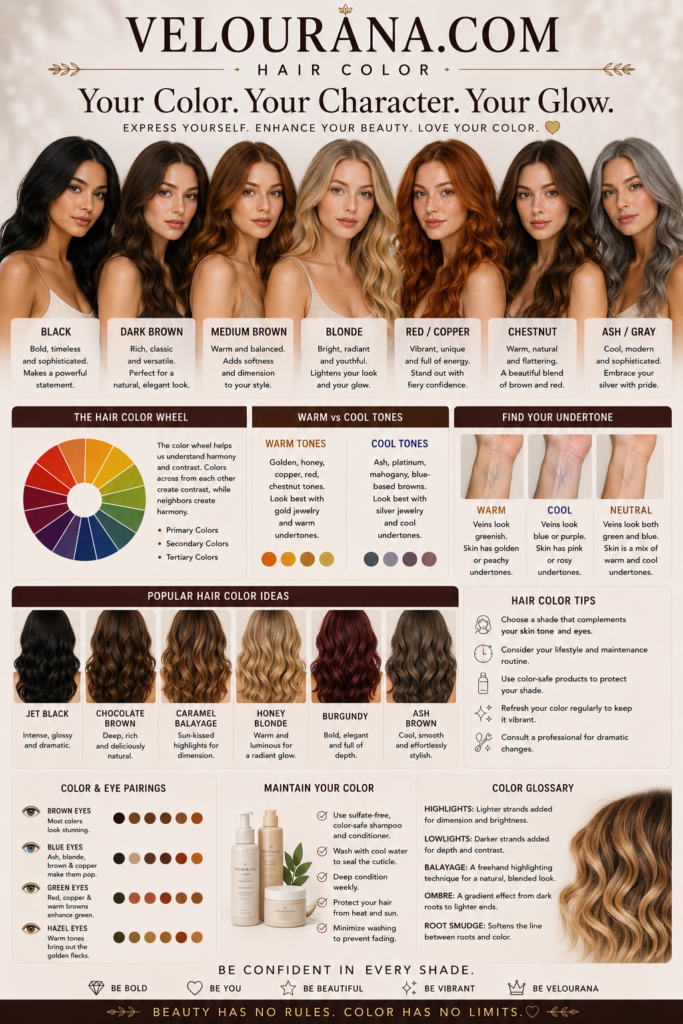
CATEGORY: Color-Safe Shampoo
There is a moment after professional hair color when everything seems perfectly synchronized. The shade is balanced, the surface catches light, the roots and lengths relate naturally to one another, and the undertone appears exactly where it should be. Whether the result is an icy blonde, dimensional brunette, luminous copper, deep red, subtle balayage, or unconventional fashion color, freshness is unmistakable.
Then ordinary life resumes.
Hair is washed. It is dried, brushed, tied back, exposed to sunlight, touched, heated, conditioned, styled, and washed again. Over the following weeks the shade begins to change. Sometimes the transformation is graceful and barely noticeable; sometimes the color seems to lose its original personality surprisingly quickly. Shampoo frequently receives the blame because it sits at the center of the most obvious recurring event: washing.
The reality is more nuanced. Color-safe shampoo is valuable, but its importance lies less in a magical ability to lock pigment permanently inside the hair and more in the way it supports an intelligent maintenance system. A shampoo designed for colored hair should cleanse without making chemically treated lengths endure more stress than necessary. Used appropriately, it can help preserve tonal richness, surface smoothness, shine, and manageability while allowing the scalp to remain properly cleansed.
The difference between merely buying a bottle marked “color safe” and actually caring for colored hair lies in understanding what happens between appointments.
Color Preservation Begins With the Condition of the Hair
When people discuss fading, they often imagine pigment simply washing down the drain. Pigment loss certainly contributes to changing color, but the appearance of colored hair is also determined by the physical condition of the fiber.
Smooth hair reflects light differently from rough hair. A polished surface can make brunette shades appear deeper, blondes more luminous, and reds more jewel-like. When the cuticle becomes weathered or the lengths become excessively dry, the same general color can look flatter and less expensive even before dramatic pigment loss has occurred.
Chemical services influence this condition to different degrees. A subtle deposit-only color is not equivalent to repeated high-level lightening. Hair that has undergone extensive bleaching may be more porous and require considerably more conditioning support. Long hair can also contain several histories at once: relatively new growth near the scalp, previously colored mid-lengths, and older ends that have experienced years of chemical and mechanical exposure.
This uneven history explains many frustrating color-care experiences. Shampoo that feels ideal at the roots may seem too cleansing on the ends. Conditioner that transforms the oldest lengths may overwhelm finer sections closer to the scalp. Toner may grab strongly on porous ends while behaving differently elsewhere. The hair is not one uniform material simply because it grows from the same head.
A thoughtful color-safe routine acknowledges these differences rather than repeatedly coating or scrubbing every section in exactly the same way.
For shampoo, this often means giving priority to the scalp. Oil, sweat, styling residue, and environmental material accumulate most significantly around the roots. Routine shampoo can therefore be massaged through the scalp while the lengths receive less direct manipulation. As the product is rinsed, diluted lather moves through the rest of the hair. More deliberate cleansing of the lengths can be introduced when buildup genuinely requires it rather than performed aggressively during every wash.
This simple change can be particularly useful for long, highlighted, lightened, or porous hair because it reduces repeated friction where the fiber is oldest.
Gentle Cleansing Is More Complicated Than One Ingredient Label
Color-safe shampoo is often discussed through a binary vocabulary: sulfate or sulfate-free. That distinction has become so dominant that it can obscure the sophistication of shampoo formulation.
Surfactants allow shampoo to remove oils and soils that water alone cannot effectively remove. Formulators have access to numerous surfactant systems, and the finished performance depends on which cleansing agents are used, how they are combined, their concentrations, the conditioning system surrounding them, and the overall design of the formula.
A sulfate-free shampoo may provide exactly the gentle cleansing experience colored hair needs. Many excellent formulas use alternative surfactants to produce effective cleansing with a pleasant after-feel. Yet “sulfate-free” should not be interpreted as an automatic scientific guarantee that every such shampoo is milder than every formula containing sulfates. Hair-care products are complete formulations, not single ingredients operating in isolation.
The same principle applies to other fashionable exclusions. Consumers can easily become trapped in a cycle of searching for products defined primarily by what they do not contain. For color-treated hair, performance is ultimately more useful than ideology.
After washing, the scalp should feel properly clean without discomfort. The hair should not feel unnecessarily rough or difficult to detangle. The cleanser should be capable of handling the person's actual level of oil and product use. If a supposedly ultra-gentle shampoo leaves so much residue that several applications are required every time, it may not be the gentlest solution in practical terms. Conversely, a powerful cleanser that leaves the lengths squeaky and tangled may be more cleansing than routine maintenance requires.
The ideal formula occupies the point where adequate cleansing and preservation meet.
That point differs among individuals. Someone with fine hair and an oily scalp may require stronger cleansing than someone with coarse, dry, highly lightened hair. Someone who applies multiple styling products may need more removal power than someone who uses little beyond conditioner. Color-safe hair care therefore becomes much more successful when product selection follows actual hair behavior rather than universal rules.
Why Fresh Color Can Fade Faster Than Expected
Some colors are inherently more demanding than others, and the starting condition of the hair can influence their longevity.
Permanent oxidative color is designed differently from semi-permanent or direct-dye color. Toners and glosses may intentionally have a more temporary role. Vivid shades often depend heavily on deposited pigments that gradually diminish with washing and environmental exposure. A blonde toner that creates a cool pearl finish may soften long before the underlying lightened hair changes significantly. Red and copper shades can visibly evolve as their initial saturation diminishes.
For this reason, two people can follow nearly identical shampoo routines and experience very different maintenance cycles.
Porosity is particularly important. Highly porous hair can absorb color enthusiastically yet sometimes release certain pigments more readily. The most processed portions may also respond unevenly to toning shampoos or masks. This creates the familiar situation in which ends become overly cool, dark, purple, or otherwise over-deposited while less porous areas remain comparatively unchanged.
A color-safe shampoo can reduce unnecessary cleansing stress, but it cannot rewrite the structural history of the fiber. When color disappears unusually quickly from particular sections, the answer may involve professional color formulation, porosity management, reduced heat, improved conditioning, or a different maintenance strategy rather than simply changing shampoo brands.
This is also why the first weeks after a dramatic transformation deserve thoughtful care. Hair that has been taken through extensive lightening may need a routine built around condition as much as color. Preserving a perfect toner means little if the lengths become dry, brittle-looking, or difficult to manage. Beautiful color depends on both tone and fiber quality.
The Washing Ritual Can Matter More Than Expected
People often spend considerable time selecting shampoo and almost none examining how they actually use it. Yet technique influences the amount of mechanical and thermal stress experienced during every wash.
Colored hair does not need violent scrubbing to become clean. Shampoo can be distributed through the scalp with the fingertips and worked methodically through areas where oil accumulates. Vigorous piling of long hair on top of the head and rubbing the lengths together creates tangling and friction without necessarily improving scalp cleansing.
Rinsing thoroughly is equally important. Residual shampoo or conditioner can alter the feel and appearance of hair, sometimes leading people to cleanse again sooner because the roots seem heavy or the lengths appear dull. A well-rinsed routine allows the products to perform as intended.
Water temperature deserves a similarly measured approach. Extremely hot water is unnecessary for effective shampooing and can make the overall process more drying or uncomfortable. Lukewarm water offers a practical balance. The popular idea that hair color requires freezing-cold rinses can make maintenance unnecessarily unpleasant. Hair care succeeds through habits that can be repeated consistently, not rituals so uncomfortable that they are abandoned.
After washing, wet hair should be handled with awareness of its condition. Rough towel friction, aggressive detangling, and immediate exposure to excessive heat can undermine the gentleness achieved during cleansing. Absorbing excess water without vigorous rubbing and using appropriate conditioning or detangling products can reduce mechanical stress.
The drying stage is especially important for chemically treated hair. Blow-drying is not automatically incompatible with color care, but uncontrolled heat can contribute to deterioration. Using appropriate heat protection and sensible temperatures helps preserve the smooth surface that gives color its shine.
Seen this way, shampoo is not a five-minute isolated event. It is the beginning of a chain that continues until the hair is dry and styled.
Color-Safe Shampoo for Blonde, Brunette, Red, and Vivid Hair
The phrase color-treated hair covers an enormous range of colors, and each creates a different maintenance experience.
Blonde hair often involves the greatest structural transformation because achieving a significantly lighter result may require removal of natural pigment. The maintenance challenge is therefore dual: preserving the desired tone while caring for processed fiber. A gentle shampoo can help prevent unnecessary dryness, while conditioning products support softness and manageability.
Cool blondes may eventually require violet toning products as yellow warmth becomes more apparent. These products should be understood as corrective color tools, not merely ordinary shampoos with attractive purple pigment. Their usefulness depends on the actual tone present in the hair. If a blonde remains beautifully balanced, adding more violet pigment simply because a calendar says it is time may be unnecessary. If porous ends absorb too much pigment, the result can become dull or uneven.
Brunette hair creates another visual challenge. Dark shades rely heavily on shine and tonal richness. As artificial color evolves, underlying warmth can become more visible, particularly in hair that has previously been lightened or repeatedly colored. Gentle cleansing can help slow unnecessary loss, but surface condition remains crucial. A glossy brunette often appears richer than an identically colored but roughened fiber because reflected light contributes enormously to the perception of depth.
Red and copper shades are among the most emotionally expressive colors and among those whose evolution can be particularly noticeable. Fresh copper possesses an intensity that can soften considerably over time. Red may shift from vivid and dimensional toward a quieter version of itself. Because washing contributes to the gradual loss of deposited pigment, shampoo frequency and cleansing strength deserve close attention. Color-depositing conditioners or professionally recommended refreshers can sometimes extend the desired appearance, but they must complement rather than replace an appropriate cleansing routine.
Fashion colors such as pink, blue, violet, green, and combinations of vivid shades make the limitations of color preservation especially clear. These colors are expected to evolve. The goal is often to control that evolution so the fading remains attractive rather than abrupt or patchy. Gentle cleansing and fewer unnecessary wash cycles can help, but realistic maintenance may also involve periodic pigment refreshing.
The correct shampoo strategy therefore begins by understanding the color being preserved. A formula that supports a permanent brunette and a routine designed for pastel pink may share principles, but their practical maintenance expectations are not identical.
Scalp Health Should Not Be Sacrificed for Pigment
One of the less useful consequences of intense color-preservation advice is the idea that shampoo itself is the enemy. Some people become reluctant to wash even when their scalp clearly needs cleansing because every wash is viewed as pigment loss.
That approach confuses preservation with avoidance.
The scalp produces sebum and is exposed to sweat, dead skin cells, styling products, environmental particles, and microorganisms that naturally inhabit the skin. Cleansing frequency varies among individuals, but scalp comfort and hygiene should not be sacrificed merely to extend a shade for several extra days.
A color-safe routine should make appropriate washing possible, not create anxiety around water.
People with naturally oily scalps may need to shampoo more often. Fine hair can reveal oil quickly because there is less volume to disguise it. Exercise, warm climates, helmets, hats, occupational conditions, and styling habits can all influence washing frequency. There is no universally correct number of shampoo days per week.
At the opposite end, washing much more frequently than necessary can create repeated exposure to water, cleansing, drying, and styling. If the scalp remains comfortable and the hair looks good, there is no intrinsic requirement to shampoo simply because twenty-four hours have passed.
The ideal rhythm emerges from observation. Color care becomes much easier when washing is performed because the scalp needs cleansing rather than because of an automatic schedule or fear-driven rule.
Dry shampoo can occasionally help manage appearance between washes, but it does not make conventional cleansing permanently unnecessary. It absorbs oil and changes the cosmetic feel of the roots; it does not function identically to washing with shampoo and water. Repeated heavy application can create buildup that eventually requires more thorough cleansing.
Again, balance proves more effective than extremism.
When a Color-Safe Shampoo Is Too Gentle
The beauty industry understandably emphasizes gentle cleansing for colored hair, but insufficient cleansing can also compromise the appearance of color.
Hair covered in styling residue, oils, dry shampoo, conditioning deposits, or minerals may look darker, duller, flatter, or less reflective. Blonde can lose brightness. Brunette can lose movement. Curly colored hair may become weighed down and less defined. Fine hair may separate into heavy sections that make the entire style appear less fresh.
In these circumstances, continuing to layer conditioning products on top of buildup may make matters worse. The hair may need a more effective cleansing session.
Clarifying products are designed for stronger removal of residue, while chelating approaches may target mineral or metal buildup more specifically. They should not be treated as interchangeable solutions for every problem, and color-treated hair requires particular judgment because stronger cleansing can affect some artificial pigments.
Occasional clarification can nevertheless belong in an intelligent color routine. The question is whether there is a reason for it. Heavy styling-product use, persistent coating, swimming exposure, or hard-water issues may justify periodic deeper cleansing. Someone with minimal buildup and a highly delicate fashion shade may need it far less often.
Professional guidance can be particularly useful when minerals or metals are suspected because the correct treatment depends on what is actually affecting the hair. Randomly escalating to stronger and stronger shampoos can create dryness without addressing the real cause.
The sophisticated approach to color-safe cleansing is therefore flexible. Routine shampoo is gentle enough for regular use, while deeper cleansing remains available when circumstances require it.
Conditioner Is Part of the Color-Safe Shampoo Story
Shampoo receives the label, but conditioner often determines how colored hair feels once the shower ends.
Chemical processing can alter the tactile character of hair. The lengths may become more prone to tangling, roughness, dryness, or friction. Conditioner improves slip and manageability, helping individual fibers move past one another with less resistance. This matters because mechanical wear is cumulative. Hair that requires forceful detangling after every wash experiences repeated stress.
A well-matched conditioner can also improve the optical quality of colored hair by helping the surface appear smoother. Shine is not merely decorative. It influences how the eye interprets color. Smooth, reflective brunette looks deeper; polished blonde appears more luminous; red becomes more vibrant.
Masks and intensive treatments can provide additional conditioning when appropriate, but more is not always better. Fine hair can become limp when overloaded with rich products. Highly porous hair may absorb some formulas unevenly. Protein-containing treatments, bond-focused products, oils, silicones, and other conditioning technologies each have different roles and should be chosen according to the actual condition of the hair.
Color maintenance becomes less confusing when shampoo and conditioner are considered as a system. The cleanser should remove enough material to keep the scalp and hair fresh. The conditioner should restore the manageability needed for low-friction handling. Styling products should then support the desired finish without creating excessive buildup.
When those elements work together, the color often looks better even before any pigment-refreshing product is introduced.
Protecting Color Between Shampoo Days
What happens outside the shower can determine whether a color-safe shampoo has a meaningful opportunity to succeed.
Heat is one of the most obvious factors. Flat irons, curling irons, hot brushes, and blow-dryers can expose hair to significant temperatures. Colored and especially lightened hair may already possess structural vulnerabilities, so repeatedly using more heat than necessary can contribute to dryness and surface deterioration.
Heat protection is therefore part of color maintenance even though it contains no shampoo. Appropriate tool temperatures matter as well. The highest setting is not automatically the most effective setting, and repeated passes over the same section increase exposure.
Sunlight also changes hair over time. Natural and artificial pigments can be affected by prolonged ultraviolet exposure, while the fiber itself undergoes weathering. During periods of intense outdoor exposure, physical protection such as a hat can provide a simple additional barrier.
Swimming presents a combination of challenges. Hair becomes saturated, exposed to pool chemicals or salt water, often exposed simultaneously to strong sunlight, and then requires cleansing afterward. Repeated summer swimming can therefore create far more washing and environmental stress than the hair experiences during ordinary weeks.
Hard water adds another layer. Mineral deposition may interfere with brightness, texture, and tonal clarity. A person can mistakenly conclude that color has faded when part of the problem is a film affecting light reflection. If a previously successful routine suddenly produces dullness after moving home or traveling, water quality can be worth considering.
These factors explain why changing shampoo alone sometimes produces disappointing results. If the rest of the routine remains highly stressful, improvements in cleansing cannot carry the entire burden.
Reading the Hair Instead of Following a Rigid Schedule
Colored hair constantly provides information.
When it feels rough immediately after washing, cleansing may be too aggressive, conditioning may be insufficient, or accumulated chemical and thermal stress may be becoming visible. When roots remain oily despite shampooing, the cleansing method or formula may not be effective enough. When the lengths look coated and heavy, buildup may be present. When a toner disappears rapidly from the most porous sections, structural differences may be influencing retention.
The color itself provides another set of signals. A blonde becoming warmer does not necessarily mean the hair is becoming unhealthy; the toner may simply be diminishing. A brunette revealing warmth may be showing underlying pigment as the artificial tone softens. Copper becoming less intense can be a normal part of its maintenance cycle. Understanding these changes prevents unnecessary product switching.
This observational approach also makes salon conversations more productive. Instead of simply reporting that “my shampoo ruined my color,” it is possible to describe when fading became noticeable, how frequently the hair was washed, whether heat styling was frequent, whether swimming or strong sun exposure occurred, and which sections changed first. Those details help a professional distinguish normal color evolution from unusual loss or structural concerns.
Color care becomes a process of adjustment rather than a hunt for a single permanent solution.
The Real Standard for a Successful Color-Safe Shampoo
A successful color-safe shampoo does not need to perform miracles. Its job is more practical and, in many ways, more valuable.
It should allow the scalp to be cleansed properly while respecting the condition of the colored lengths. It should fit the individual's washing frequency and styling habits. It should leave the hair receptive to conditioning rather than unnecessarily rough. It should contribute to a routine in which color fades gradually and attractively instead of being subjected to avoidable stress.
Most importantly, it should help preserve the character of the color.
That character is more complex than pigment concentration. A dimensional brunette depends on shine and tonal variation. Blonde depends on clarity and the balance between brightness and unwanted warmth. Copper depends on luminosity. Red depends on saturation and depth. Pastels depend on delicacy and evenness. Fashion shades depend on intentionality even as they evolve.
The condition of the hair influences every one of these qualities.
This is why the best color maintenance routines tend to become simpler as understanding improves. There is less panic about individual ingredients and more attention to the total experience of the hair. Cleansing is performed when needed. Conditioning reflects the degree of processing. Heat is controlled. Toners are used according to visible tone. Buildup is addressed when it actually exists. Professional color is refreshed according to the nature of the shade.
Within that system, color-safe shampoo occupies an important but realistic position. It is the regular cleanser that does its work without asking fragile or chemically altered hair to pay an unnecessary price for cleanliness.
Salon color will always evolve. Roots grow, pigments soften, toners fade, and environmental exposure leaves its mark. The goal of color care is not to suspend hair in the exact state it occupied on the afternoon it was colored. The goal is to make the weeks afterward look intentional too.
When a shampoo helps hair remain clean, smooth, reflective, manageable, and tonally attractive while that evolution occurs, it is doing precisely what color-safe cleansing should do.
THE END VELOURANA
 Discover More From Our Family of Websites
 ZodiacBearing (Astrology, Tarot, Numerology, Angel Numbers & Spiritual Guidance)
 Velourana (Beauty, Makeup, Hair Care, Skincare & Beauty Tips)
 HavenBearing (Home, Living, Organization, Décor & Everyday Inspiration)
 PawBearing (Pet Care, Dog Breeds, Animal Health, Training & Pet Products)
 PsyCatherine (Notes From the Journal of a Psychologist on Real Life)

