CATEGORY: Lip Balm
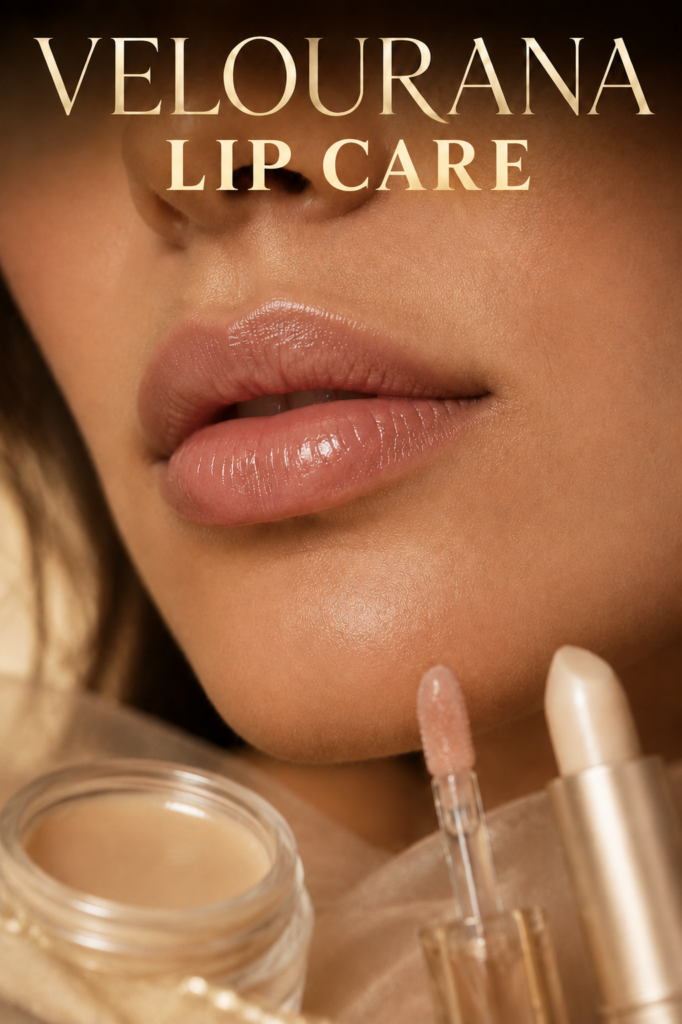
Lip balm may appear to be one of the easiest beauty products to choose. A small tube, stick, or pot promises softer lips, and the decision may initially seem to depend only on fragrance, flavor, or packaging. In reality, lip balms vary considerably in texture, ingredients, protective ability, finish, and suitability for different conditions.
The best lip balm is not necessarily the most expensive, the richest, or the one containing the longest list of fashionable ingredients. It is the balm that suits the condition of the lips, remains comfortable enough to use consistently, and provides the degree of protection required by the environment.
Understanding the differences between formulas can make everyday lip care considerably more effective.
Lip Balm Is Primarily a Barrier Product
The most important function of lip balm is often misunderstood.
It does not simply add moisture to the lips. Many balms primarily work by reducing the amount of water that escapes from the lip surface.
The lips naturally contain water, but environmental exposure and daily activity can increase moisture loss. A protective balm forms a layer over the surface, helping slow this process.
This is why occlusive ingredients are so valuable.
Petrolatum, waxes, oils, butters, and other film-forming materials can contribute to this protective function.
A glossy sensation alone does not necessarily indicate strong protection. Some products feel shiny but disappear quickly.
Likewise, a simple balm without dramatic cosmetic effects may provide excellent support if it remains on the lips and reduces moisture loss effectively.
Understanding Emollients
Emollients help the lips feel smoother and softer.
Dry surface cells create an uneven texture. Emollient ingredients fill some of the spaces between these cells and improve flexibility.
This is why lip balm can produce an immediate sensation of softness even before the underlying dryness has changed significantly.
Different emollients create different experiences.
Some oils produce a light, silky glide.
Others are thicker and more reflective.
Butters create richness, while certain waxes provide firmness and staying power.
The finished texture depends on the balance between all of these materials rather than on any single ingredient.
Petrolatum and Traditional Lip Protection
Petrolatum remains one of the most effective and widely used occlusive skincare ingredients.
In lip care, it can form a substantial barrier that helps reduce moisture loss.
Simple petrolatum-based products may be particularly useful when the lips feel very dry because their function is uncomplicated and strongly protective.
Some people prefer botanical alternatives, and there are many excellent options available.
However, ingredient origin should not be confused with performance.
A plant-based balm can be excellent, and a traditional petrolatum formula can also be excellent.
The useful question is whether the finished product provides enough protection without causing discomfort.
Botanical Oils in Lip Balm
Plant oils are extremely common in modern lip care.
Jojoba, sunflower, coconut, olive, avocado, castor, and numerous other oils may be included.
These ingredients can improve spreadability, softness, and shine.
Castor oil is particularly common in glossy lip products because it produces a rich, smooth feel.
Jojoba-derived ingredients are valued for their elegant texture.
Coconut oil can contribute softness and a recognizable sensory character.
The presence of botanical oils may also support the marketing identity of a product, particularly in natural or plant-focused beauty ranges.
However, the overall formula determines performance.
A balm containing a fashionable oil may still disappear quickly if the formulation lacks sufficient structure or occlusion.
The Role of Butters
Butters give many lip balms their rich, comforting texture.
Shea butter and cocoa butter are among the most familiar examples.
These ingredients can soften the lip surface and contribute to a dense, protective feel.
They are particularly popular in winter products and overnight treatments.
Richness is not always necessary, however.
Someone with generally comfortable lips may find a heavy butter-based balm excessive during the day.
Someone experiencing persistent seasonal dryness may appreciate exactly that level of cushioning.
The ideal texture therefore depends on both personal preference and environmental conditions.
Why Waxes Matter
Waxes determine much of the physical behavior of solid lip balms.
They allow a balm to maintain its shape while gradually transferring product onto the lips.
Beeswax has traditionally been common.
Vegan formulas may use candelilla, carnauba, or combinations of other plant-derived structuring materials.
A successful stick should glide without feeling excessively hard.
If the wax structure is too firm, the product can drag.
If it is too soft, the stick may become unstable or leave more product than desired.
These formulation differences explain why two lip balms that appear almost identical on paper can feel completely different in use.
Lip Balm Formats
Packaging changes the way a balm is used.
Stick balms are convenient, portable, and easy to apply.
Squeeze tubes accommodate softer formulas and can deliver anything from a light coating to a rich ointment-like layer.
Pots often contain thick, luxurious textures but require direct finger contact or an applicator.
Wand-style balms resemble lip gloss and often emphasize shine.
Each format has advantages.
The best choice depends partly on lifestyle.
A balm carried in a pocket during the day may need to be compact and easy to apply.
A rich pot kept beside the bed may work perfectly well for overnight use.
Lightweight Versus Rich Formulas
A lightweight balm can be ideal when the lips are already in good condition.
It provides enough protection to maintain comfort without creating a noticeable coating.
Light formulas are also convenient beneath lipstick.
Richer balms serve a different purpose.
They are useful when the lips feel exposed, dry, or tight and when a longer-lasting protective layer is desirable.
Cold weather often increases the appeal of richer formulas.
There is no reason to choose one texture permanently.
Many people naturally adjust lip balm according to season and circumstance.
Lip Balm for Winter
Winter creates some of the most demanding conditions for the lips.
Cold air can contain relatively little moisture, while wind increases exposure.
Indoor heating can further reduce humidity.
The movement between cold outdoor air and heated indoor environments can make dryness particularly noticeable.
During these periods, a denser balm may provide more useful protection than a very lightweight formula.
Applying balm before going outdoors can also be beneficial because it creates a protective layer before the lips are exposed to wind and cold.
Preventive care is often easier than trying to restore comfort after severe dryness develops.
Lip Balm for Summer
Summer lip care has different priorities.
A heavy winter balm may feel uncomfortable in hot weather.
Lightweight textures can provide protection without excessive richness.
Sun exposure also becomes a major consideration.
An SPF lip balm can help protect the lips during daylight exposure.
Outdoor activities such as swimming, boating, hiking, and beach visits may require regular reapplication because the lip product can be removed by water, food, drinks, and wiping.
Heat can also affect storage.
Solid balms should not be left for long periods in extremely hot cars or direct sunlight because their texture may soften or change.
Lip Balm in Air-Conditioned Environments
Dry lips are not only a winter problem.
Air-conditioned environments can create persistent dryness during summer.
Offices, hotels, aircraft, shopping centers, and cars may have relatively dry indoor air even when outdoor humidity is high.
Someone who spends many hours in air conditioning may therefore need lip balm regularly throughout the warm months.
This is one reason seasonal lip care cannot be based on temperature alone.
Humidity and indoor environment matter just as much.
Lip Balm and Travel
Travel exposes the lips to rapid environmental changes.
Aircraft cabins are particularly dry.
A traveler may then arrive in a climate that is colder, hotter, windier, or less humid than the environment they left.
Keeping lip balm easily accessible can help maintain comfort through these transitions.
Travel is also a situation in which practical packaging becomes important.
A stick or small tube may be easier to use than a large pot that requires hand contact.
SPF may also become essential if the destination involves significant outdoor exposure.
Fragrance-Free Lip Balm
Fragrance-free formulas can be valuable for people whose lips are sensitive or easily irritated.
Fragrance is not automatically problematic, but it adds another variable.
When lips repeatedly sting, burn, or become uncomfortable after using products, reducing unnecessary fragrance and flavoring can simplify the routine.
A bland balm may not feel as exciting as a strongly scented one, but its simplicity can be an advantage when the primary objective is protection.
This is particularly relevant when the lips are already irritated.
Introducing strongly flavored or cooling products at that stage may make it difficult to determine whether the formula is helping.
Mint and Cooling Lip Balms
Mint-flavored lip balms remain extremely popular because they create an immediate sensation of freshness.
Cooling ingredients can make the lips feel energized or refreshed.
However, sensation does not necessarily indicate improved performance.
Some sensitive users find tingling products uncomfortable.
A balm should not need to sting in order to work.
If the cooling sensation repeatedly develops into burning or irritation, another formula may be more appropriate.
Lip Balm and Lip Licking
Lip licking is one of the most common behaviors associated with dry lips.
The immediate sensation is soothing because saliva temporarily wets the surface.
However, that moisture evaporates quickly.
The lips may then feel dry again, encouraging another lick.
A protective balm can help interrupt this cycle by creating a longer-lasting feeling of comfort.
Reducing the habit itself is also important.
Even an excellent balm may struggle to maintain protection if it is constantly being removed.
Lip Balm and Picking
Dry or peeling lips can encourage unconscious picking.
Removing loose skin may produce temporary smoothness, but it can also expose tender areas and prolong irritation.
A richer balm can soften flaky areas and make them less tempting to pick.
Allowing loose surface material to detach gradually is usually gentler than forcing it away.
This is another reason lip balm should be viewed as part of barrier support rather than simply a cosmetic coating.
Lip Exfoliation
Lip scrubs can temporarily smooth the surface before makeup.
However, frequent scrubbing is not necessary for ordinary lip care.
The lips are delicate and can become irritated through excessive mechanical exfoliation.
Natural lip lines should also not be mistaken for flakes that need removal.
When lips are mildly rough, balm alone may provide enough softening for the surface to improve gradually.
If exfoliation is used, it should remain gentle and occasional rather than becoming a daily attempt to create perfectly smooth lips.
Lip Balm Before Lipstick
Lip balm can improve lipstick application when used strategically.
Applying balm early in the makeup routine gives it time to soften the lips.
Excess product can then be blotted before lipstick is applied.
This helps create a comfortable surface without making the lips excessively slippery.
Matte lipsticks particularly benefit from careful preparation because they can emphasize dryness.
Long-wearing liquid lipsticks may adhere poorly over a thick balm layer.
The goal is therefore not to apply as much balm as possible immediately before lipstick.
It is to condition the lips in advance.
Lip Balm With Lip Liner
Lip liner can sometimes feel dry when applied to bare lips, particularly if the formula is firm.
A very thin layer of balm applied earlier can improve comfort.
Too much balm may cause the liner to slide and reduce precision.
Allowing the balm to settle before lining provides a better balance.
This demonstrates how lip care and makeup performance are closely connected.
Healthy-feeling lips generally create a more predictable surface for cosmetic products.
Tinted Balm for Everyday Makeup
Tinted balm has become one of the most versatile forms of everyday lip color.
It combines sheer pigment with the comfort of an emollient formula.
Unlike traditional lipstick, tinted balm usually does not require highly precise application.
The natural lip tone remains partly visible, making the result softer and more forgiving.
This makes tinted balm especially useful for casual routines.
A person can achieve color, shine, and conditioning with a single product.
Some tinted formulas are extremely sheer.
Others can be layered for more noticeable color.
The cosmetic result should still be balanced with lip comfort.
Glossy Lip Balm
Glossy balms blur the line between skincare and makeup.
They create a reflective finish similar to lip gloss while containing ingredients designed to soften and protect.
The popularity of this format reflects a broader shift toward hybrid beauty products.
Consumers increasingly expect cosmetic products to provide some degree of skincare benefit.
Glossy balms can be particularly appealing for people who enjoy shine but dislike the sticky texture associated with traditional glosses.
However, the level of protection still varies.
A highly glossy formula is not automatically more moisturizing than a less shiny balm.
Overnight Lip Balm
Night is an ideal time for richer lip care.
A balm applied before bed is less likely to be removed by food, drinks, or repeated wiping.
This allows the protective layer to remain present for longer.
Dense ointment-style balms and lip masks are often used for this purpose.
The difference between them is sometimes largely one of texture and marketing.
A conventional balm can perform very well overnight if it creates a sufficiently durable coating.
People who experience significant winter dryness may find nighttime application particularly useful.
Lip Masks Versus Lip Balm
Lip masks are generally thicker than ordinary balms.
They are often marketed as intensive treatments designed to remain on the lips for an extended period.
Some contain additional conditioning ingredients, while others rely primarily on a rich blend of oils, butters, waxes, and occlusives.
For many users, the difference between a lip mask and a balm is practical rather than fundamental.
A rich balm may provide similar protection.
The most important factor is whether the formula leaves the lips comfortable and reduces moisture loss.
SPF Lip Balm
SPF lip balm deserves a distinct place in daytime care.
The lips are exposed to ultraviolet radiation but are frequently omitted from sunscreen routines.
A lip product specifically formulated and tested to provide SPF can help address this gap.
Reapplication remains necessary.
Lip products are removed easily through eating, drinking, swimming, and ordinary movement.
An SPF balm used once in the morning cannot necessarily be expected to provide reliable protection throughout an entire outdoor day.
During prolonged sun exposure, it should be treated with the same seriousness as sunscreen used elsewhere.
Lip Balm and Natural Lip Color
A transparent balm can enhance natural lip color simply by adding smoothness and shine.
A more hydrated-looking surface often appears healthier and slightly more vibrant even without pigment.
This makes clear balm useful for minimal makeup routines.
The effect is subtle but polished.
For people who do not enjoy lipstick, a comfortable balm may provide all the finish they want.
Lip Balm for Men
Lip balm has no meaningful gender limitation.
Its primary role is protective skincare.
People who prefer an invisible finish can choose clear balms with little or no shine.
Fragrance-free and neutral packaging options are widely available.
The principles remain exactly the same: protect the lip surface, reduce moisture loss, and maintain comfort.
Marketing may separate products by gender, but the underlying lip-care needs are shared.
Lip Balm for Mature Lips
Lip texture naturally changes with age.
The lips may feel drier, and vertical lines can become more visible around the mouth.
A comfortable balm can improve softness and reduce the emphasized appearance that dryness creates.
Before lipstick, conditioning becomes especially useful because very dry formulas may settle into texture.
The objective should remain comfort rather than attempting to eliminate normal age-related features.
A well-moisturized surface often improves cosmetic appearance without requiring aggressive treatments.
Lip Balm and Makeup Removal
Lip balm can also be useful after removing makeup.
Long-wearing lipstick can leave the lips feeling dry or tight.
After the color has been removed gently, applying balm helps restore a protective layer.
This can be particularly useful at night after wearing matte or transfer-resistant formulas for many hours.
The balm does not need to neutralize the makeup product chemically.
Its role is simply to support comfort after cleansing.
Lip Balm Hygiene and Storage
Lip balm spends much of its life in handbags, pockets, cars, desks, and bedside drawers.
Storage conditions therefore matter.
Excessive heat can soften stick products.
Repeated exposure to very high temperatures can change texture.
Pots should ideally be used with clean hands.
Sharing lip products should generally be avoided, particularly when someone has an active infection around the mouth.
A balm that develops an unusual smell, color, or consistency should be replaced.
Simple hygiene supports the safe everyday use of a product that comes into frequent contact with the mouth.
Choosing Between Affordable and Luxury Lip Balms
Luxury lip balm can provide beautiful packaging, sophisticated textures, distinctive fragrances, and an elevated application experience.
These qualities may justify the price for someone who values them.
However, protective effectiveness is not determined solely by cost.
Many affordable formulas contain highly effective occlusive and emollient ingredients.
A basic balm may therefore perform extremely well even without luxury presentation.
The decision comes down to priorities.
Someone seeking simple protection may prefer a straightforward pharmacy product.
Someone who treats lip balm as part of a luxury beauty ritual may prefer a prestige formula.
Both can be legitimate choices.
When a Lip Balm Should Be Replaced
A balm that causes repeated discomfort should not be kept simply because it was expensive or highly recommended.
Burning, itching, swelling, or worsening irritation are reasons to stop using a product and reassess.
Similarly, very old products that have changed noticeably in smell or texture may no longer provide the intended experience.
Lip care should remain comfortable.
A product designed to protect the lips should not make application feel unpleasant.
Recognizing Persistent Lip Problems
Ordinary dryness is common, but not every lip problem is simply chapping.
Persistent cracking, bleeding, significant swelling, severe irritation, sores, or changes that fail to improve may have causes that ordinary cosmetic care cannot address.
Repeatedly purchasing stronger or more complicated balms is not necessarily the solution.
Professional medical assessment may be appropriate when symptoms are persistent or severe.
Lip balm is valuable supportive care, but it should not be treated as a universal medical treatment.
Building a Realistic Lip Balm Routine
The best everyday lip routine is usually simple.
A comfortable balm can be applied in the morning.
SPF can be used when daylight exposure requires it.
The product can be reapplied after eating or drinking when the protective layer has been removed.
Before makeup, balm can be applied early enough to soften the lips without interfering with lipstick.
At night, a richer coating can be used when additional protection is needed.
Beyond these moments, lip balm can be applied according to comfort rather than according to an inflexible schedule.
Why Consistency Matters More Than Complexity
The beauty industry offers lip oils, masks, scrubs, serums, primers, treatments, sleeping masks, balms, glosses, and hybrid products.
All of them can have a place in a beauty routine.
However, healthy everyday lip care does not necessarily require them all.
A reliable balm used consistently can often provide the foundation.
Protect the lips before exposure.
Avoid unnecessary irritation.
Use appropriate sun protection.
Do not repeatedly pick or scrub dry areas.
Choose a texture that feels pleasant enough to use regularly.
These principles are less dramatic than a complicated routine, but they are far easier to maintain.
Lip Balm as an Everyday Beauty Essential
The lasting popularity of lip balm reflects its usefulness.
It requires little time, fits easily into almost any routine, and provides an immediate sensory benefit.
A few seconds of application can make dry-feeling lips noticeably more comfortable.
Its value becomes particularly obvious when the product is unavailable during cold weather, travel, or prolonged time in dry environments.
Modern formulations may become increasingly sophisticated, but the essential purpose remains uncomplicated.
Lip balm protects a delicate, highly exposed surface.
It helps reduce moisture loss.
It softens rough texture.
It improves comfort.
It can prepare the lips for makeup, provide sun protection when appropriately formulated, and create a polished appearance even when no other lip product is used.
For everyday lip care, the best balm is ultimately not the one with the most elaborate claims.
It is the one that performs its basic function reliably and fits naturally into daily life.
THE END VELOURANA
 Discover More From Our Family of Websites
 ZodiacBearing (Astrology, Tarot, Numerology, Angel Numbers & Spiritual Guidance)
 Velourana (Beauty, Makeup, Hair Care, Skincare & Beauty Tips)
 HavenBearing (Home, Living, Organization, Décor & Everyday Inspiration)
 PawBearing (Pet Care, Dog Breeds, Animal Health, Training & Pet Products)
 PsyCatherine (Notes From the Journal of a Psychologist on Real Life)