
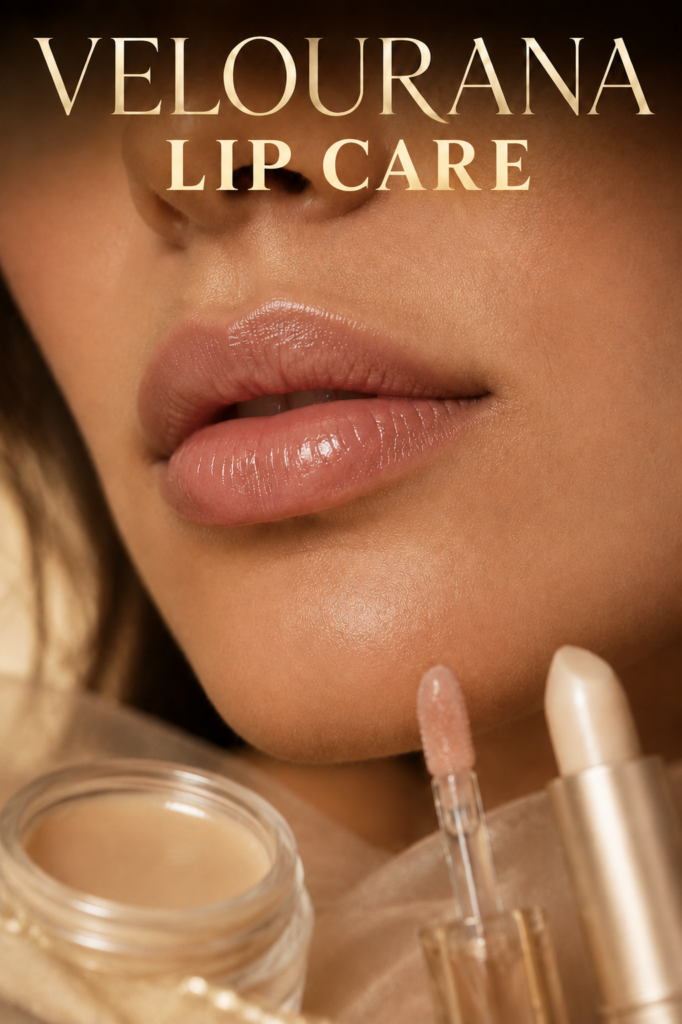
CATEGORY: Chapped Lips
Chapped lips are so common that they are often treated as a minor inconvenience rather than a genuine barrier problem. A little tightness appears, the surface begins to flake, and lip balm becomes a temporary reflex. Yet persistent chapping can affect much more than appearance. Lips may sting when eating, split when smiling, bleed after brushing the teeth, or remain rough despite frequent product application. In severe cases, the discomfort can interfere with speaking, sleeping, and the simple pleasure of wearing lipstick.
Understanding chapped lips begins with recognizing that lip skin is not identical to the skin covering most of the face. It is thinner, more exposed, and less naturally equipped to retain moisture. The lips are also in almost constant motion. They stretch during conversation, contract around cups and cutlery, encounter food and saliva, and face wind, sunlight, heat, and cold with relatively little protection. When their delicate barrier is disrupted, water escapes more easily and environmental irritants can penetrate more readily.
Not every dry-looking lip has the same cause. Seasonal weather, habitual licking, irritating cosmetics, dehydration, certain medicines, nutritional deficiencies, allergies, sun damage, and inflammatory skin conditions can all contribute. Sometimes several influences operate at once. A person may begin with winter dryness, repeatedly lick the lips for relief, apply a strongly fragranced balm, and unknowingly create a cycle that keeps the irritation active.
Effective care therefore depends on more than adding moisture. The central goal is to reduce irritation, support barrier recovery, and identify anything repeatedly stripping or inflaming the lips. A simple, protective routine is often more helpful than a collection of elaborate treatments.
Why Lips Lose Moisture So Easily
The outermost layer of ordinary skin acts like a protective wall. Flattened skin cells form much of its structure, while lipids help seal the spaces between them. This arrangement slows the loss of water and limits the entry of irritants. The visible portion of the lips has a much thinner protective layer and contains less of the natural material that helps other areas of skin stay supple.
Lips also lack the dense distribution of sebaceous glands found in many facial areas. These glands release sebum, an oily substance that contributes to surface lubrication. Without the same natural oil supply, the lips depend heavily on their comparatively fragile barrier and on whatever external protection is applied.
Their prominent position adds another disadvantage. Unlike parts of the body covered by clothing, lips are ordinarily exposed throughout the day. Cold air and low humidity encourage water loss, while wind removes the thin layer of moisture and warmth near the surface. Indoor heating and air conditioning can reduce environmental humidity even further. Sunlight creates oxidative and inflammatory stress, particularly when the lips are left unprotected for long periods.
Movement intensifies the problem once dryness begins. A healthy lip surface can flex comfortably, but a dehydrated and damaged surface becomes less elastic. Normal stretching may then open tiny fissures. These cracks increase tenderness and make the person more inclined to lick, rub, peel, or bite the area, which causes additional damage.
The transition from mild dryness to painful chapping is therefore not mysterious. It is a barrier breakdown that becomes self-reinforcing unless the lips are protected long enough to recover.
The Difference Between Dryness and Chapping
Dry lips may feel slightly tight, dull, or rough while remaining intact. Chapped lips usually show clearer signs of barrier disruption. Flaking becomes more visible, lines deepen, and areas of the surface may split. The lips can burn after contact with salty, acidic, or spicy foods. Inflammation may create redness around the lip margin, while repeated cracking can produce small spots of bleeding.
The distinction is useful because mild dryness may respond quickly to an uncomplicated occlusive balm. Established chapping requires greater consistency and closer attention to potential triggers. If inflammation extends beyond the lips, repeatedly returns in the same location, or fails to improve with gentle protection, an underlying condition may need to be considered.
Texture alone does not always reveal severity. Some lips appear only mildly flaky but feel intensely sore because the barrier has become inflamed. Others develop thick sheets of peeling without significant pain. The experience can also vary according to skin sensitivity, climate, occupation, and personal habits.
Chapping at the corners of the mouth deserves particular attention. Cracks in these folds may represent angular cheilitis rather than ordinary lip dryness. Saliva can accumulate at the corners, weakening the skin and allowing inflammation or infection to develop. This pattern may require treatment beyond standard lip balm, especially if it is recurrent or associated with crusting, persistent redness, or significant pain.
Weather and the Seasonal Pattern of Chapped Lips
Cold weather is one of the best-known causes of chapping, but temperature alone is not responsible. Winter air often contains less moisture, and indoor heating lowers humidity further. The contrast between warm indoor rooms and cold outdoor air repeatedly challenges the lip barrier. Wind accelerates evaporation and can make exposed lips feel raw within a short period.
People often respond by licking their lips. Saliva creates an immediate sensation of moisture, but this relief is deceptive. As the saliva evaporates, it can leave the lips drier. Salivary enzymes are designed to begin breaking down food, not to function as skincare ingredients. Frequent exposure can irritate already compromised tissue.
Summer creates a different pattern. Heat, sunlight, salt water, chlorinated pools, and air conditioning can all contribute to dehydration and irritation. Lips may not look conventionally “winter chapped,” yet they can become rough, tender, or persistently scaly. Sunburn of the lips is possible and may cause swelling, burning, peeling, or later sensitivity.
A protective routine should therefore change with conditions without becoming unnecessarily complicated. During cold or windy weather, a substantial fragrance-free ointment forms a useful physical shield. During daytime sun exposure, a lip product with broad-spectrum protection becomes important. Reapplication matters because eating, drinking, wiping the mouth, and speaking gradually remove the product.
Lip Licking and the Irritation Cycle
Lip licking is often automatic. A person notices dryness, runs the tongue across the surface, and experiences brief relief. Within minutes, evaporation increases the tight feeling, prompting another lick. Over time, the repeated wetting and drying disturb the barrier. Redness may spread beyond the natural lip line, following the area reached by the tongue.
This condition is sometimes described as lip-licker’s dermatitis. The surrounding skin may appear dry, inflamed, scaly, or darker than usual after the inflammation settles. Children commonly develop the pattern, although adults can experience it as well, particularly during stressful periods or cold weather.
Simply telling someone to stop licking may not be enough because the habit is frequently unconscious and driven by genuine discomfort. Keeping the lips continuously coated with a bland ointment can reduce the sensation that triggers licking. Applying it before sleep, before going outdoors, and after meals helps maintain protection during predictable periods of exposure.
Habit awareness also matters. Some people lick their lips while concentrating, bite loose skin during anxiety, or rub the mouth when thinking. Once the behavior is recognized, it becomes easier to substitute a less damaging response, such as applying a plain balm or taking a sip of water.
Peeling loose skin creates a similar cycle. A flake may look ready to detach, but pulling it can remove cells that are still connected to living tissue. The result may be bleeding, tenderness, and a larger irregular area that takes longer to heal. Allowing flakes to soften under an ointment is safer than forcibly removing them.
When Lip Products Make Chapping Worse
Lip balm is usually associated with relief, yet not every formula is suitable for damaged lips. Products designed to feel cooling, tingling, plumping, strongly flavored, or intensely fragrant may contain ingredients that sting compromised skin. The sensation can be interpreted as evidence that a treatment is “working,” even when it reflects irritation.
Menthol, camphor, strong mint flavoring, cinnamon, citrus oils, and certain fragrance compounds can be troublesome for sensitive lips. Some people tolerate them when the barrier is healthy but react when it is already damaged. Others develop allergic contact cheilitis after repeated exposure to a particular flavor, preservative, sunscreen filter, colorant, botanical extract, or fragrance component.
Beeswax, lanolin, propolis, and plant-derived ingredients are often perceived as naturally soothing, but natural origin does not guarantee universal tolerance. They can be excellent ingredients for many users while causing allergic reactions in others. When chapping persists, temporarily replacing a complex balm with a very simple fragrance-free ointment may help clarify whether the product itself is contributing.
Lip plumpers intentionally create stimulation or mild irritation to produce a fuller appearance. On already chapped lips, this approach may increase burning, redness, and swelling. Long-wear matte lip colors can also feel uncomfortable because they often form a dry, durable film and contain fewer emollient components than creamy formulas. Removing them with vigorous rubbing creates another source of stress.
The most useful product during active chapping is often the least exciting one: an uncomplicated, fragrance-free, flavor-free ointment that reduces water loss and shields the surface.
Toothpaste, Mouth Care, and Hidden Contact Triggers
Products used inside the mouth inevitably reach the lips. Toothpaste residue can remain at the corners or along the lower lip, particularly when someone brushes vigorously or does not rinse the surrounding skin afterward. Strong flavorings, whitening ingredients, tartar-control agents, and foaming surfactants may irritate susceptible individuals.
This does not mean that every case of chapped lips requires changing toothpaste. However, persistent inflammation around the mouth can justify examining oral-care products, especially if symptoms worsen immediately after brushing. A mild toothpaste may be worth discussing with a dentist or dermatologist when contact irritation is suspected.
Mouthwash can also reach the lip surface. Alcohol-containing or strongly flavored formulas may sting existing cracks. Careful application and rinsing of any residue from the surrounding skin can reduce unnecessary contact.
Musical instruments, dental appliances, retainers, and mouthguards create friction and trap saliva. Occupational or recreational exposures may be equally relevant. Wind instruments place repeated pressure on the lips, while divers and swimmers encounter prolonged moisture followed by evaporation. Identifying these patterns can explain why chapping repeatedly appears in a particular location.
Dehydration and the Limits of Drinking More Water
Chapped lips are frequently blamed on dehydration, but the relationship is more nuanced than popular advice suggests. Significant dehydration can contribute to a dry mouth and dry-feeling lips, and adequate fluid intake is important for general health. Yet a person who is normally hydrated can still experience severe chapping because the local barrier is damaged.
Drinking extra water cannot replace missing surface protection. Water consumed internally is tightly regulated by the body and does not directly coat or seal the lip surface. If low humidity, wind, licking, or irritants continue to remove moisture, hydration alone is unlikely to resolve the problem.
Signs such as pronounced thirst, dark urine, dizziness, unusually low urine output, or illness-related fluid loss deserve attention independently of the lips. In ordinary circumstances, drinking according to thirst and maintaining a reasonable fluid intake is more sensible than forcing excessive quantities in the hope of curing chapping.
The local and systemic aspects should be considered together. The body needs adequate hydration, while the lips need external protection and freedom from repeated irritation.
Medical and Nutritional Factors
Some medications reduce oil production or cause dryness of the mouth and skin. Oral retinoids are particularly well known for producing pronounced lip dryness, but other treatments may contribute indirectly. A person starting a new medicine and noticing a clear change should not discontinue it independently; the prescribing clinician or pharmacist can advise whether dryness is expected and how it can be managed.
Nutritional deficiencies are less common causes than environmental exposure and irritation, but they can sometimes contribute to inflammation, especially at the corners of the mouth. Iron, zinc, and certain B-vitamin deficiencies may be relevant in specific circumstances. Recurrent angular cracking accompanied by fatigue, dietary restriction, digestive problems, or other symptoms warrants professional assessment rather than self-treatment with random supplements.
Inflammatory skin conditions may involve the lips or surrounding area. Atopic dermatitis can make the skin more vulnerable to dryness and allergens. Contact dermatitis may arise from cosmetics, toothpaste, dental materials, foods, or habitual exposures. Psoriasis and other conditions can occasionally affect the lip surface.
Persistent roughness, scaling, discoloration, or a non-healing area on a sun-exposed lip should be medically evaluated. Chronic ultraviolet exposure can produce actinic cheilitis, a potentially precancerous condition that most often affects the lower lip. It may resemble ordinary chapping but does not behave like a temporary weather-related episode.
Building an Effective Recovery Routine
Recovery begins by simplifying. During an active flare, unnecessary lip products can be paused, particularly fragranced balms, plumpers, exfoliants, and long-wear colors. A bland occlusive ointment can then be applied regularly enough to keep the surface protected.
Petrolatum is widely used because it forms an effective barrier and has a low likelihood of causing allergy. It does not add water to the lips in the way the word “moisturizer” sometimes implies; instead, it slows evaporation and protects damaged tissue while the natural barrier repairs itself. Some users prefer a fragrance-free balm containing compatible emollients and waxes, but simpler formulas are often easier to evaluate during irritation.
Application is particularly useful after washing, after eating, before outdoor exposure, and at bedtime. A thicker nighttime layer can protect the lips during hours when unconscious mouth breathing or dry indoor air might otherwise worsen them.
If the lips are covered with saliva, food residue, or irritating cosmetics, the surface can be gently rinsed and patted dry before ointment is applied. Scrubbing is unnecessary. The aim is to preserve fragile tissue, not create a perfectly smooth surface immediately.
Improvement may begin within several days, although deeper cracks can take longer. Consistency is more important than repeatedly switching products. If a simple routine does not produce meaningful improvement, the diagnosis or trigger may need reassessment.
The Role of Humectants, Emollients, and Occlusives
Lip products are often discussed as though all moisturization works in the same way. In reality, formulas can support the barrier through different mechanisms.
Humectants attract and bind water. Ingredients such as glycerin and hyaluronic acid can contribute to hydration when they are used in a balanced formula. On exposed lips, however, a humectant-rich product may feel insufficient if it is not accompanied by ingredients that reduce evaporation.
Emollients fill irregularities between surface cells and create a softer, smoother feel. Oils, fatty alcohols, esters, and butters may serve this purpose. They can improve flexibility and reduce the sensation of roughness.
Occlusives create a film that slows water loss. Petrolatum is a classic example. Waxes, dimethicone, and certain heavier oils can also contribute to this function, although their effectiveness and sensory qualities differ.
A well-formulated lip product may combine all three approaches. During severe chapping, strong occlusion is particularly valuable because the damaged surface is losing water rapidly. The best formula is nevertheless one that remains comfortable, does not provoke irritation, and can be reapplied consistently.
Why Exfoliation Can Delay Healing
Lip scrubs promise instant smoothness by removing visible flakes. On healthy lips with minimal surface roughness, very gentle cosmetic exfoliation may be tolerated. On actively chapped lips, however, sugar crystals, brushes, towels, and homemade scrubs can tear fragile tissue and reopen cracks.
Chemical exfoliants require similar caution. Acids and enzymes used elsewhere on the face may sting or inflame the thinner lip surface. Retinoids, benzoyl peroxide, and acne treatments can migrate onto the lips and cause substantial dryness even when they are not deliberately applied there.
The appearance of peeling skin creates understandable pressure to remove it before applying lipstick. Yet healing is usually faster when the flakes are softened and allowed to detach naturally. A thick ointment can make them less conspicuous while protecting the tissue beneath.
Once the barrier is fully comfortable and intact, regular conditioning is generally more valuable than aggressive resurfacing. Lips do not need to feel polished every day to be healthy.
Sun Protection and Long-Term Lip Health
The lips are vulnerable to ultraviolet radiation because they contain less protective pigment than much of the surrounding skin. The lower lip often receives especially direct exposure. Repeated sunlight can cause acute burning and contribute to long-term texture and color changes.
A broad-spectrum lip sunscreen is useful during outdoor activities, driving, walking, working near reflective water, or spending time at high altitude. The stated protection level matters, but so does tolerability. A sunscreen that causes burning or is unpleasant to wear will not be used consistently.
Reapplication is necessary after eating, drinking, swimming, or wiping the mouth. A hat can provide additional shade but does not eliminate reflected ultraviolet exposure. At night or when sun protection is unnecessary, a plain ointment may feel more comfortable.
Any persistently scaly, thickened, pale, discolored, ulcerated, or poorly defined area of the lip should be assessed by a clinician, especially in someone with substantial cumulative sun exposure.
Protecting Chapped Lips While Wearing Makeup
Lip color does not always have to be abandoned, but the condition of the surface should guide the choice. When the lips are split, bleeding, or intensely sore, comfort and healing take priority. Applying pigment over open cracks can sting, emphasize irregular texture, and complicate gentle removal.
Creamy lipsticks and tinted balms are generally more forgiving than transfer-resistant matte liquids. A plain protective layer can be allowed to settle before color is applied, although it may reduce wear time. That trade-off is often worthwhile during recovery.
Lip pencils can tug at dry tissue if used with pressure. Soft formulas and light application are less disruptive. At the end of the day, makeup should be dissolved with a compatible remover or emollient rather than scrubbed away.
Shared testers should never be applied directly to damaged lips because cracks reduce the integrity of the protective barrier. Personal applicators should also be kept clean, and old products with changes in smell or texture should be discarded.
When Professional Assessment Is Appropriate
Most uncomplicated weather-related chapping improves with protection and avoidance of irritants. Medical advice becomes important when the lips remain inflamed despite a consistent gentle routine, when symptoms repeatedly return, or when the pattern suggests something other than ordinary dryness.
Significant swelling, pus, spreading redness, fever, clustered blisters, severe pain, or difficulty breathing requires prompt attention. Sudden swelling involving the lips, tongue, or throat can represent a serious allergic reaction and should be treated as an emergency.
Recurring cracks at the mouth corners may require assessment for infection, irritation, dental factors, or nutritional issues. Persistent scaling may lead a dermatologist to consider allergic contact testing. A single area that does not heal deserves examination rather than indefinite balm use.
Clinicians may prescribe anti-inflammatory, antifungal, antibacterial, or other targeted treatments depending on the cause. These treatments are not interchangeable. Applying a medicated cream without knowing the diagnosis can mask symptoms or worsen certain conditions.
A Healthier Relationship with Lip Care
Chapped lips often produce impatience because their appearance changes from hour to hour. A smooth layer of balm can make them look healed temporarily, only for flakes to return when the product wears away. True barrier repair happens beneath that temporary cosmetic improvement and requires time.
The most effective approach is usually calm and repetitive: protect, avoid known irritants, resist picking, and monitor the pattern. There is little benefit in chasing every new balm or repeatedly exfoliating in pursuit of instant smoothness.
Healthy lips are not necessarily perfectly glossy or line-free. Natural vertical lines are part of lip anatomy, and a soft surface can still have texture. The goal is comfort, flexibility, and an intact barrier rather than an artificially polished appearance.
Once the episode settles, continuing a simple balm and daytime sun protection can reduce recurrence. If chapping returns, examining weather, habits, oral-care products, cosmetics, and health changes can reveal the trigger. With the cause addressed and the barrier properly supported, most lips regain their comfort without an elaborate routine.
THE END VELOURANA
 Discover More From Our Family of Websites
 ZodiacBearing (Astrology, Tarot, Numerology, Angel Numbers & Spiritual Guidance)
 Velourana (Beauty, Makeup, Hair Care, Skincare & Beauty Tips)
 HavenBearing (Home, Living, Organization, Décor & Everyday Inspiration)
 PawBearing (Pet Care, Dog Breeds, Animal Health, Training & Pet Products)
 PsyCatherine (Notes From the Journal of a Psychologist on Real Life)

