CATEGORY: Brow Tinting
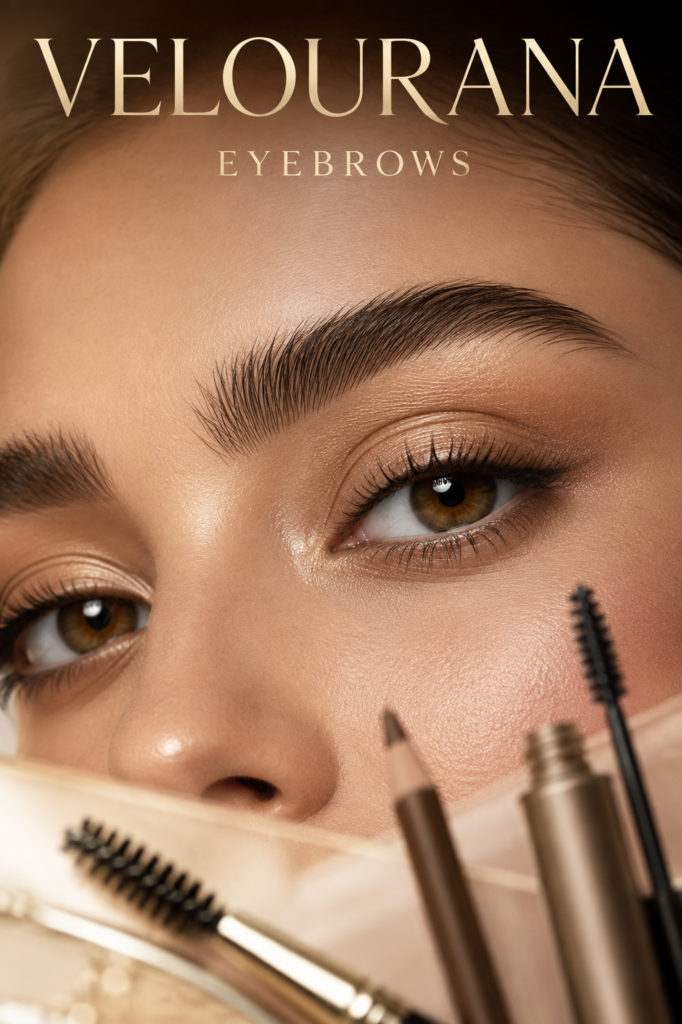
Brows have an extraordinary ability to influence the entire appearance of the face. Their shape can affect how open the eyes appear, how balanced facial features seem, and even how polished a makeup look feels. Yet brow grooming is not always about removing hair or dramatically changing the natural arch. Sometimes the most effective transformation comes simply from making the hairs that are already present more visible. Brow tinting is designed to do exactly that.
Brow tinting uses specially formulated color to temporarily deepen or adjust the appearance of eyebrow hairs. Fine, pale, gray, sun-lightened, or naturally translucent hairs can become more noticeable after tinting, creating the impression of greater density and stronger definition. Because the treatment works primarily with existing brow hair rather than relying entirely on cosmetic products, the finished effect can remain relatively natural while still producing a meaningful visual difference.
The appeal of tinting also lies in its versatility. Some people want brows that look subtly more complete when they are wearing no makeup. Others prefer a stronger, more structured appearance that reduces the amount of pencil, powder, or pomade they normally use. The appropriate tint, processing approach, and brow shape depend on the individual, which is why successful tinting is less about making eyebrows simply darker and more about creating harmony between hair color, complexion, facial features, and personal style.
What Brow Tinting Actually Changes
Individual eyebrow hairs are often more varied in color than they initially appear. A brow that looks medium brown from a distance may contain dark hairs, lighter brown hairs, nearly transparent hairs, and perhaps a few gray strands. The finest hairs around the perimeter can be particularly difficult to see. This variation contributes to softness, but it can also make brows appear thinner than they actually are.
Tinting changes this relationship by increasing the visibility of selected hairs. Once lighter strands become darker, the apparent boundaries of the eyebrow may expand slightly. A previously indistinct tail can become easier to see, while fine hairs near the upper or lower brow line may contribute more noticeably to the overall shape.
This is one reason tinting can sometimes create a surprisingly significant result without adding a single hair. The physical density of the brow has not changed, but its visual density has. The eye registers more of the existing hair, producing an impression of fullness.
Some brow tinting products and professional techniques can also leave temporary color on the skin beneath the hairs. This can intensify the result and give the brow a more filled-in appearance immediately after treatment. However, skin staining and hair tinting should not be confused. Color generally disappears from skin considerably faster because the surface continually sheds and is exposed to cleansing, skincare, perspiration, and environmental factors.
The most enduring part of the cosmetic effect therefore comes from the tinted hairs themselves.
Choosing a Brow Tint That Looks Believable
Selecting brow color requires more judgment than simply matching eyebrows to the darkest hair on the head. A shade that appears correct in a color chart may look very different once processed on actual brow hair. Natural hair color, porosity, processing time, undertone, density, and surrounding complexion can all influence the final impression.
For many people, the most flattering brow tint is not an exact duplicate of their scalp hair. Someone with very dark hair may prefer brows that remain slightly softer so they do not dominate the face. Blonde or light-haired individuals may benefit from enough depth to establish definition without creating a severe contrast. Red, auburn, gray, and unusually cool or warm hair colors introduce additional considerations.
Undertone is particularly important. Brown is not a single neutral color. It can lean warm, golden, reddish, neutral, cool, or ashy. When the undertone conflicts noticeably with the person's coloring, the brows can look artificial even when the depth is technically appropriate.
A cool brunette may find an overly warm brown unexpectedly orange. Someone with warmer coloring may find an intensely gray-brown tint dull or disconnected from the rest of the face. Successful color selection therefore considers both depth and temperature.
Lighting matters as well. Indoor artificial light can conceal undertones that become obvious in daylight. Evaluating a finished brow in natural or neutral lighting provides a better understanding of how the tint actually interacts with the face.
The objective is generally not to make every brow hair identical. Natural eyebrows contain variation, and retaining some visual dimension can prevent the result from looking flat.
How Tinting Can Influence Brow Shape
Although tinting does not physically reshape the brow, it can change the shape that the eye perceives. This distinction is central to understanding the treatment.
Imagine a brow with a strong central section but very pale hairs toward the tail. Before tinting, the tail may appear to disappear prematurely. Once those hairs become visible, the brow suddenly looks longer and potentially more balanced. Similarly, fine hairs along the upper edge can make an arch appear fuller when their color is intensified.
This means tinting should ideally be considered before aggressive tweezing or other hair removal. Hairs that initially appear insignificant may become valuable components of the shape once colored. Removing them before understanding their contribution can unnecessarily narrow the brow.
The relationship between tint and shape is particularly noticeable in sparse-looking brows that actually contain many fine or light hairs. Color can reveal a natural structure that was previously difficult to recognize.
At the same time, tint cannot create hairs where none exist. Genuine gaps caused by naturally sparse growth, over-tweezing, scars, or other forms of hair loss may still require cosmetic filling if a continuous appearance is desired. Brow tinting should therefore be understood as an enhancement of existing material rather than a substitute for every other brow technique.
A thoughtful approach evaluates the natural growth pattern first and then uses tint to emphasize the strongest version of that pattern.
The Difference Between Brow Tinting and Everyday Brow Makeup
Traditional brow cosmetics create definition largely by placing pigment on the skin, the hair, or both. Pencils can imitate fine strokes, powders can create soft shadow, gels can add color and hold, while pomades can build stronger architectural definition.
Tinting works differently because it changes the visible color of the actual hair for a period of time. This makes it particularly useful for people who want their brows to appear more defined immediately after waking, swimming, exercising, or removing their makeup.
The result is not necessarily equivalent to a fully styled cosmetic brow. Makeup provides far greater control over precise shape, symmetry, intensity, and gap filling. Tinting instead establishes a stronger natural foundation.
For some people, that foundation substantially reduces the amount of makeup needed. Rather than drawing an entire brow, they may only need a small amount of pencil in a sparse area or a clear styling gel to position the hairs. Others may continue using their normal brow makeup but find that it applies more easily because the underlying structure is clearer.
Tinting and makeup therefore do not need to compete. They can serve different purposes. Tint provides persistent hair definition, while cosmetics provide temporary artistic control.
This distinction is useful when deciding whether brow tinting is appropriate. Someone seeking completely redesigned brows may find tint alone insufficient. Someone primarily frustrated by pale or barely visible brow hairs may discover that tinting addresses much of the problem.
Why Processing Time Matters
Tinting is a chemical coloring process, and the development period influences the result. Leaving color on longer does not automatically produce a better brow. Excessive processing can create a shade that appears unnecessarily deep, harsh, or inconsistent with the intended look.
Hair characteristics also influence how quickly color develops. Fine or porous hairs may respond differently from coarse or resistant hairs. Previously treated brows can behave differently from completely untreated hair. Gray hairs can sometimes respond differently from surrounding pigmented strands.
This variability is one reason professional judgment can be valuable. A practitioner can observe how the color is developing rather than treating processing time as an inflexible rule.
For individuals using products specifically intended and legally marketed for at-home eyebrow tinting in their region, manufacturer directions should be followed exactly. Hair dye intended for scalp use should not simply be improvised around the eyes. The eye area is particularly sensitive, and products must be appropriate for their stated purpose.
Patch-testing instructions are also important because sensitivity or allergic reactions to coloring ingredients can occur. A product that has been tolerated previously is not an absolute guarantee against future sensitivity.
The best brow tint is not the darkest possible result. It is the degree of color that provides sufficient definition while remaining compatible with the intended aesthetic.
Brow Tinting for Light, Gray, and Unevenly Colored Brows
Tinting can be especially noticeable on naturally light eyebrows because many hairs may already exist but contribute little visible definition. When those strands are given more contrast, the brows can suddenly appear considerably fuller.
This does not mean very light brows should automatically become dark brown. A dramatic jump in depth can overwhelm delicate coloring. Subtle enhancement can often provide enough structure without sacrificing softness.
Gray brows present a different challenge. Gray or white hairs can vary in their ability to accept cosmetic color, and they may stand out strongly against darker neighboring hairs. The objective may be complete blending, partial softening, or simply reducing the contrast between gray and pigmented strands.
Some people intentionally retain elements of gray because they complement silver or naturally aging hair. Brow tinting does not have to erase every sign of color variation. It can instead create a more coherent overall appearance.
Unevenly colored brows are another common reason for tinting. Sun exposure, natural genetics, previous cosmetic treatments, and individual hair characteristics can produce sections that appear lighter than others. Tint can visually unify these areas.
The key is to avoid confusing uniformity with naturalness. Perfectly identical color across every strand is not always necessary or desirable. A believable brow often retains subtle variations in depth while presenting a more consistent overall impression.
Brow Tinting and the Natural Brow Growth Pattern
Every eyebrow has its own internal architecture. Hairs near the inner brow often grow upward or diagonally, while hairs through the body gradually change direction. The tail may become finer, shorter, or more horizontal. Density also varies considerably from person to person.
Tinting makes these patterns more visible. This can be beneficial because it reveals the true structure of the brow, but it can also expose asymmetries that were less noticeable when the hairs were pale.
Natural brows are rarely identical. One may sit slightly higher, have a stronger arch, contain a denser front, or taper differently. Tinting should not encourage excessive correction of these differences. Attempting to force perfect symmetry can lead to unnecessary hair removal or overly heavy makeup.
Instead, the newly visible growth pattern can serve as a guide for restrained grooming. Once the tint has clarified where the hairs actually are, shaping decisions can become more deliberate.
This is particularly helpful when someone is growing brows back after years of tweezing. Fine new growth can be difficult to appreciate when it is light. Tinting may make some of these hairs visible and provide a clearer sense of how the brow is recovering.
The same principle applies to naturally soft brow boundaries. Rather than immediately drawing a rigid outline, tinting can reveal where the natural perimeter lies and allow cosmetic enhancement to follow it more accurately.
Maintaining Tinted Brows
Brow tint gradually fades rather than disappearing at one precise moment. Hair growth, cleansing habits, skincare products, sun exposure, and the formulation used can all affect how long the result remains noticeable.
The first few days can sometimes appear stronger than the later result, particularly if some pigment remains on the skin beneath the brows. As that superficial color fades, the brows may look softer while the hair itself remains tinted.
Frequent cleansing directly over the eyebrows can accelerate the loss of temporary surface color. Exfoliating products may also affect the appearance of skin staining around the brows. Strong skincare treatments used near the area deserve particular attention, both because of their potential effect on color longevity and because the surrounding skin can be sensitive.
Maintenance should not become an attempt to preserve tint indefinitely. Eyebrow hairs have a natural growth cycle. New hairs emerge, older hairs shed, and the visible balance of color changes. Periodic refreshing is therefore part of the nature of temporary tinting.
How frequently someone chooses to retint depends on the rate of fading and personal preference. A person who enjoys very crisp definition may notice changes sooner than someone who prefers a softer brow.
It is useful to judge the need for another treatment based on the actual appearance rather than an arbitrary calendar. If the brows still look balanced and sufficiently defined, there may be no aesthetic reason to intensify them again immediately.
Combining Tinting With Other Brow Grooming Techniques
Tinting often works best as one element within a broader brow routine. Shaping, trimming, styling, lamination, cosmetic filling, and tinting each influence different aspects of the brow.
Hair removal defines the perimeter by subtracting unwanted growth. Trimming controls excessive length. Styling products influence direction and hold. Tinting changes visibility. Brow makeup can then add pigment precisely where natural density is insufficient.
Understanding these separate functions prevents over-treatment. If the issue is primarily pale hair, removing more hair will not solve it. If the problem is unruly direction, adding darker color may simply make the disorder more noticeable. If a section genuinely lacks hair, tinting cannot completely fill the empty skin.
The strongest brow routines identify the actual problem before selecting the technique.
Tinting can also be paired with brow lamination, although the combination involves chemical treatments and should be approached according to appropriate professional protocols and product instructions. Lamination changes the positioning and apparent direction of the hairs, while tinting changes their color. Together they can produce a substantial visual transformation because more hair becomes visible and can be arranged strategically.
For a softer result, tinting followed by simple brushing and minimal clear gel may be sufficient. This can preserve natural texture while providing greater definition.
The ideal combination depends less on trends than on what the existing brows require.
The Importance of Safety Around the Eye Area
The proximity of eyebrow treatments to the eyes makes product selection and application particularly important. Cosmetic colorants are not interchangeable simply because they are capable of dyeing hair.
Only products intended for the relevant use should be considered, and their instructions, warnings, timing, and patch-testing requirements should be followed. A scalp hair dye should not be casually repurposed for eyebrow use.
Skin around the brows can also be reactive. Redness, irritation, itching, swelling, or burning should not be regarded as a normal price of achieving stronger color. If a product produces an adverse reaction, it should be removed according to its instructions and appropriate professional medical guidance sought when necessary.
Extra caution is appropriate when the skin around the brow is already irritated, broken, recently exfoliated, sunburned, or recovering from another cosmetic procedure.
Professional brow tinting does not eliminate the possibility of sensitivity, but trained practitioners should understand appropriate products, application boundaries, hygiene, processing, and contraindications.
Cosmetic improvement should never take priority over eye and skin safety. Brow tinting is valuable precisely because it can be a relatively simple enhancement; there is no reason to introduce unnecessary risk through unsuitable products or careless experimentation.
Brow Tinting as a Form of Subtle Facial Definition
One of the most interesting qualities of brow tinting is how much it can influence the face without looking like conventional makeup. Eyebrows create visual anchors around the eyes. When their color becomes slightly stronger, the eyes may appear more framed and facial proportions can feel more defined.
The effect can be particularly noticeable in photographs, where very pale brow hairs sometimes disappear under bright lighting. Increasing their visibility can restore structure without requiring an obviously drawn-on brow.
At the same time, stronger is not always better. Brows occupy a prominent horizontal position on the face, and excessive darkness can pull attention away from the eyes rather than enhancing them.
Successful tinting respects the relationship between eyebrow color and the rest of the features. The result should ideally feel integrated rather than isolated.
This is why brow tinting can range from nearly imperceptible refinement to bold definition. There is no universal correct intensity. The appropriate result depends on the individual face, natural coloring, hair density, grooming preferences, and desired level of contrast.
The most sophisticated approach treats tint as a tool for revealing and balancing what is already present.
A More Natural Approach to Brow Enhancement
Modern brow aesthetics increasingly allow room for individuality. Perfectly identical, sharply outlined brows are only one possible style. Soft fronts, visible hair texture, irregular density, and natural asymmetry can all contribute to character.
Tinting fits particularly well within this approach because it can enhance actual brow hairs instead of covering them completely with pigment. When performed thoughtfully, the treatment allows the natural growth pattern to remain visible.
Someone with delicate brows may use tint simply to bring forward hairs that disappear against the skin. Someone with thick brows may use it to unify sun-lightened ends. Someone with gray hairs may want subtle blending rather than total concealment. Another person may deliberately choose stronger contrast because bold brows are central to their preferred aesthetic.
These are different objectives, and each can be valid.
What matters is that color selection and grooming decisions are made in relation to the individual rather than a generic brow template. Tinting should not automatically transform every eyebrow into the same dark, sharply defined shape.
A brow that looks effortless often reflects considerable restraint. The color is strong enough to reveal the hair but not so dominant that the tint itself becomes the first thing noticed.
Brow tinting is ultimately an exercise in visual balance. By increasing the visibility of existing hairs, it can reveal fullness, clarify shape, reduce reliance on daily cosmetics, and bring greater definition to the eye area. Its effectiveness comes not from creating an entirely new eyebrow but from making better use of the one already there.
THE END VELOURANA
 Discover More From Our Family of Websites
 ZodiacBearing (Astrology, Tarot, Numerology, Angel Numbers & Spiritual Guidance)
 Velourana (Beauty, Makeup, Hair Care, Skincare & Beauty Tips)
 HavenBearing (Home, Living, Organization, Décor & Everyday Inspiration)
 PawBearing (Pet Care, Dog Breeds, Animal Health, Training & Pet Products)
 PsyCatherine (Notes From the Journal of a Psychologist on Real Life)