
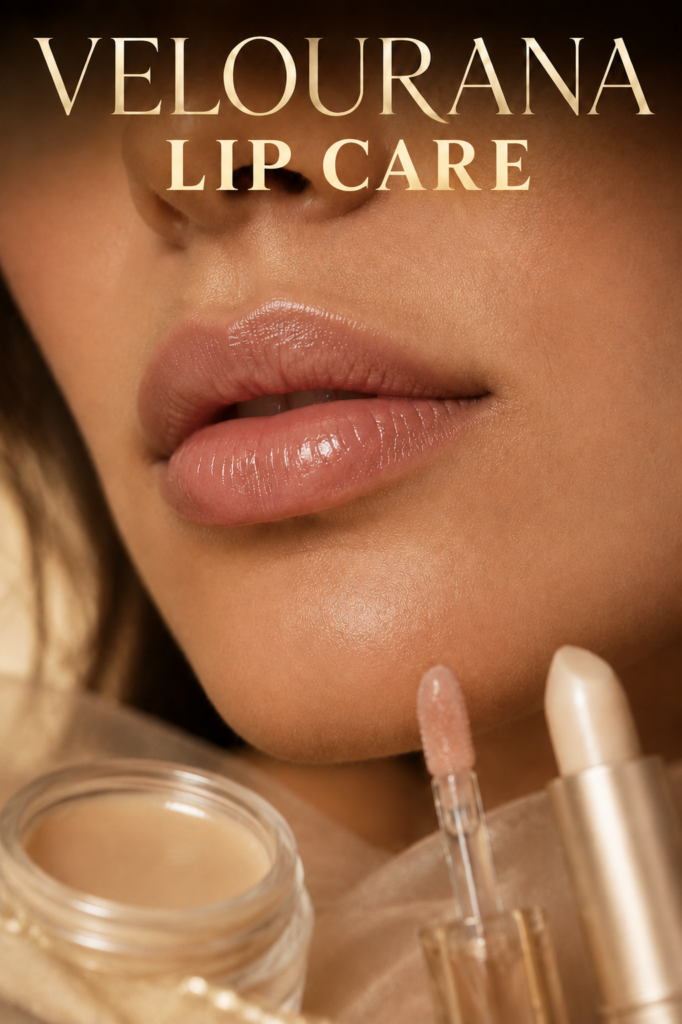
CATEGORY: Lip Masks
The Rise of Lip Masks as a Dedicated Treatment Category
Lip masks have moved from occasional beauty indulgence to an established part of contemporary skincare routines. Their growing popularity reflects an important realization: the lips have care requirements that are not always met by the same products or habits used for the rest of the face. While a simple balm may provide immediate relief, many people want a treatment that remains in place longer and offers a more substantial feeling of protection.
The category includes a wide range of products, from thick overnight balms to gel-like treatments and temporary sheet masks designed specifically for the mouth. Although these products differ in appearance and application, they share a common purpose: improving the comfort and visible condition of lips that feel dry, rough, or stressed.
Interest in lip masks has also been shaped by changing makeup preferences. Matte lipsticks, long-wear stains, and highly pigmented formulas can draw attention to uneven texture. At the same time, minimalist beauty trends have increased appreciation for naturally smooth, healthy-looking lips. A conditioning treatment can support both approaches by improving the surface on which color is applied or helping bare lips look more polished.
However, the popularity of the category has created confusion. Products are sometimes described with dramatic claims about deep repair, instant plumping, or transformative overnight results. Such language can obscure the more practical mechanisms that actually determine whether a lip mask is useful. Most benefits arise from reducing moisture loss, softening the surface, and maintaining a protective layer for longer than an ordinary daytime product.
Understanding these principles makes the category easier to navigate. A lip mask does not need an elaborate ingredient list or an expensive jar to be effective. It needs a formula that suits the individual, a texture appropriate to the intended use, and a routine that allows the product to remain in contact with the lips long enough to provide comfort.
The most rewarding approach treats lip masks as purposeful care rather than as a fashionable extra. When selected thoughtfully, they can help interrupt recurring dryness, improve the experience of wearing makeup, and make the lips feel more resilient during periods of environmental stress.
How Texture Influences the Performance of a Lip Mask
Texture is one of the most immediately noticeable aspects of a lip mask, but its importance extends beyond personal preference. The way a product spreads, adheres, and remains on the lips influences how effectively it can provide sustained comfort. A formula that feels pleasant for a few minutes but disappears quickly may not offer the same experience as one that forms a durable protective layer.
Rich balm-like masks are among the most familiar options. These formulas often contain waxes, butters, oils, or other ingredients that create a substantial coating. Their density makes them particularly suitable for overnight use, when extended wear is desirable and a glossy or heavy finish is less likely to interfere with daily activities.
Gel masks offer a different sensory experience. They may feel cooler, lighter, or less sticky, which can appeal to people who dislike the thickness of traditional balm formulas. Depending on their composition, they can provide immediate softness and a comfortable sheen. However, a lightweight texture is not automatically more hydrating, just as a heavy texture is not automatically more effective. The balance of ingredients ultimately determines performance.
Some products combine the characteristics of both categories, beginning with a plush, cushiony texture that becomes softer as it warms on the lips. These hybrid formulas can be useful for individuals who want the reassurance of a substantial treatment without the sensation of a dense coating.
Sheet-style lip masks are designed for temporary application and usually consist of a flexible material saturated with a conditioning serum. They may offer a pleasant short-term treatment experience, particularly before an event or makeup application. Their effects are generally associated with temporary hydration and surface softness rather than lasting structural change.
Texture can also influence how much product a person uses. A mask that feels uncomfortably sticky may be abandoned despite having a well-designed formula, while a product that feels too light may invite repeated application without delivering adequate protection. The right choice is the one that matches both the condition of the lips and the user’s willingness to apply it consistently.
Practical performance is therefore more meaningful than novelty. A lip mask should feel comfortable, stay in place for an appropriate period, and leave the lips less tight or rough after use. Its texture is successful when it supports those outcomes rather than simply creating an impressive first impression.
The Relationship Between Hydration, Softening, and Moisture Retention
The language surrounding lip care often treats hydration as a single, uncomplicated benefit. In reality, improving lip comfort usually involves several related processes. Water must be available to the surface, rough areas need softening, and moisture must be protected from rapid evaporation. Lip masks can support these goals when their formulas combine complementary types of ingredients.
Humectants are associated with attracting and holding water. Glycerin, hyaluronic acid, and related ingredients may help the lips feel more supple by supporting surface hydration. Their effectiveness depends partly on the surrounding conditions and the other ingredients in the formula. In a very dry environment, a humectant-rich product may feel more comfortable when paired with ingredients that reduce moisture loss.
Emollients contribute to smoothness by softening the outer surface. Oils, butters, and conditioning lipids can make roughness feel less pronounced and help the lips move more comfortably. This improvement is especially relevant when dryness creates a sensation of tightness during speaking or smiling.
Occlusive ingredients form a protective layer that helps slow evaporation. Petrolatum, certain waxes, and other film-forming materials are commonly used for this purpose. Their role is particularly valuable when the lips are exposed to dry air, wind, or the uninterrupted hours of sleep.
A well-balanced mask does not need to include every popular ingredient. It simply needs to address the user’s primary concern. Someone with mildly rough lips may be satisfied with a lightweight conditioning formula, while someone experiencing persistent winter dryness may benefit more from a richer product with stronger protective qualities.
The sequence of care can also influence results. Applying a protective mask to lips that are already comfortable or lightly damp may help preserve existing moisture. Applying the same product over residue from irritating skincare or toothpaste may leave the underlying discomfort unresolved.
Understanding these distinctions prevents common misconceptions. A glossy finish does not necessarily indicate hydration, and a tingling sensation does not demonstrate effective treatment. The meaningful indicators are reduced tightness, improved softness, less visible flaking, and a surface that remains comfortable for longer periods.
By viewing hydration, softening, and moisture retention as related but distinct functions, it becomes easier to choose a mask that genuinely supports the lips instead of relying on claims that sound impressive but reveal little about how the formula performs.
The Role of Protective Ingredients in Supporting a Compromised Lip Surface
When the lips become dry, their surface may feel less flexible and more vulnerable to friction. Talking, eating, cleansing, and exposure to weather can then intensify discomfort. Protective ingredients help by creating a temporary buffer between the lip surface and these everyday stresses.
Petrolatum is a familiar example because it forms an effective barrier that reduces moisture loss. Its reputation can be complicated by marketing language that favors more exotic ingredients, but simplicity should not be mistaken for inferiority. For many people, a straightforward protective formula offers dependable comfort without unnecessary fragrance or sensory additives.
Plant butters such as shea and cocoa butter are also common in lip masks. They contribute richness and help soften the surface, although their suitability varies from person to person. A formula that feels deeply comforting to one user may be too heavy or potentially irritating for another, particularly when combined with fragrance or additional botanical extracts.
Waxes provide structure and help products adhere to the lips. Beeswax and various plant-derived alternatives can contribute to a protective finish, but their presence does not automatically indicate whether the product will be suitable for sensitive users. The full formulation matters more than any isolated ingredient.
Lanolin is another ingredient sometimes used in intensive lip care because of its conditioning properties. However, individuals with known sensitivity to lanolin should avoid it. The fact that an ingredient is widely appreciated does not mean it is appropriate for every person.
Ceramides and related lipids may appear in formulas positioned around barrier support. These ingredients can complement a protective product, especially when combined with emollients and occlusives that maintain comfort at the surface. Their presence is best understood as part of a broader formulation strategy rather than as a guarantee of dramatic repair.
A compromised lip surface often benefits from reducing unnecessary complexity. Strong flavors, bright pigments, and highly active plumping ingredients may be less desirable when the lips are already tender. The priority should be creating conditions that allow the surface to feel calm and protected.
The protective function of a lip mask is temporary, but that does not diminish its importance. By reducing repeated moisture loss and mechanical irritation, a well-tolerated formula gives the lips a more comfortable environment in which to recover from everyday stress.
Fragrance, Flavor, and the Hidden Causes of Lip Sensitivity
The sensory appeal of lip masks often begins with fragrance and flavor. Vanilla, fruit, mint, chocolate, and floral notes can make a treatment feel enjoyable and luxurious. For many users, these additions cause no obvious problems. For others, particularly those with easily irritated lips, the same ingredients may contribute to persistent discomfort.
The lips are especially vulnerable because products applied to them remain close to the mouth and may be reapplied repeatedly. A formula that seems pleasant at first can become problematic when exposure is frequent, particularly if the lips are already dry or inflamed.
Mint and menthol deserve particular attention. Their cooling sensation is sometimes interpreted as evidence that a product is working, but a strong sensory effect does not necessarily indicate improved hydration or protection. On sensitive lips, these ingredients may feel irritating rather than soothing.
Cinnamon and certain essential oils can also create noticeable sensations. Products marketed as plumping may rely on ingredients that increase temporary tingling or surface redness. While some people enjoy this effect, a lip mask intended for recovery from dryness may be less suitable if it repeatedly causes burning or discomfort.
Flavoring can influence behavior as well. A pleasantly sweet or strongly flavored product may encourage lip licking, which can worsen dryness as saliva evaporates. This does not mean flavored formulas must always be avoided, but it highlights the importance of observing how a product affects habits as well as how it feels immediately after application.
Fragrance-free products can be helpful for individuals who struggle to identify the cause of recurring irritation. Simplifying the routine makes it easier to determine whether a reaction is related to the mask itself, another cosmetic product, toothpaste, or an environmental factor.
It is also important to distinguish fragrance-free from unscented. A product described as unscented may still contain ingredients used to neutralize odor, while a fragrance-free product is generally formulated without added fragrance ingredients. Ingredient lists remain the most useful source of information, particularly for people with known sensitivities.
A lip mask should make the lips feel more comfortable over time. If a formula leaves them red, sore, or increasingly dependent on repeated application for brief relief, its sensory appeal may be masking a compatibility problem. Choosing a gentler product can be more effective than searching for stronger or more expensive treatments.
Using Lip Masks Alongside Daily Balms and Sun Protection
Lip masks are most useful when they are understood as part of a broader care routine rather than as a replacement for every other lip product. Their richness and extended wear make them well suited to periods of recovery, but daytime needs often include portability, frequent reapplication, and protection from sunlight.
A daily balm can maintain comfort between meals, during outdoor activities, or in dry indoor environments. Its lighter texture may be more practical for use throughout the day, especially when applied under lipstick or carried in a pocket or handbag. A mask can then provide a more substantial conditioning layer at night.
Sun protection deserves separate consideration because ordinary lip masks do not necessarily contain sunscreen. The lips are exposed to ultraviolet radiation whenever they are uncovered, and their delicate surface can be affected by prolonged sun exposure. A lip product labeled with an appropriate sun protection factor is a more suitable choice during daytime outdoor activities.
The relationship between these products should remain flexible. Someone living in a humid climate may need only occasional nighttime treatment, while another person working in a heavily air-conditioned office might benefit from more frequent use. The ideal routine responds to actual discomfort rather than following a fixed number of products.
Layering can be useful in some circumstances, but it should not become unnecessarily complicated. A comfortable conditioning product followed by a protective layer may help some individuals, particularly when the lips feel very dry. However, combining numerous formulas can increase exposure to potential irritants without improving results.
Makeup also influences timing. A rich mask may interfere with the adhesion of lipstick if applied immediately beforehand, whereas a lighter balm or carefully blotted treatment can create a smoother base. At night, the same rich product can be used more generously because appearance and transfer are less important.
The goal is continuity of care. Daytime products help the lips manage ongoing exposure, while nighttime masks offer a longer period of undisturbed protection. When both are chosen thoughtfully, the lips are less likely to move repeatedly between temporary relief and renewed dryness.
Lip Masks for Different Climates, Travel Conditions, and Daily Routines
Environmental conditions strongly influence whether a lip mask feels necessary. Climate affects humidity, temperature, wind exposure, and sun intensity, while lifestyle determines how often the lips encounter friction, drying products, or prolonged indoor air conditioning.
In colder climates, a richer mask may be useful during periods when outdoor wind and indoor heating combine to leave the lips rough and tight. Applying a protective product at night helps offset the repeated moisture loss experienced during the day, although daytime protection remains important when conditions are severe.
Dry climates can create similar concerns even when temperatures are warm. Low humidity encourages evaporation, and the lips may become uncomfortable despite the absence of cold weather. In such settings, formulas that combine moisturizing ingredients with a protective finish are often more satisfying than products that disappear quickly.
Humid environments may call for a different approach. Heavy masks can feel excessive when the air already contains substantial moisture, particularly if the user dislikes sticky textures. A lighter gel-balm or occasional treatment may provide sufficient comfort without creating an unpleasant coating.
Air travel presents a common challenge because cabin conditions can leave the lips feeling unusually dry. A portable mask or protective balm can help maintain comfort during a flight, especially when combined with avoiding repeated lip licking and minimizing irritating cosmetic products.
Daily routines also shape lip care needs. People who spend long hours speaking, working outdoors, wearing long-lasting lipstick, or moving between air-conditioned environments may experience different forms of stress. The most useful product is not necessarily the richest or most expensive one, but the formula that addresses these specific conditions without causing irritation.
Seasonal adjustment is often more practical than using the same routine year-round. A mask that becomes essential during winter may be reserved for occasional recovery in summer, while a lightweight product that feels ideal during warm weather may be insufficient when the air becomes dry and cold.
By responding to climate and routine rather than beauty trends, lip care becomes more efficient. A mask serves as a targeted form of support, introduced when the environment or daily habits make additional protection genuinely useful.
Temporary Plumping, Smoothness, and Realistic Cosmetic Expectations
Lip masks are frequently associated with claims of fuller-looking lips. In many cases, the visible effect comes from improved surface hydration, softened texture, and the way a glossy product reflects light. When dry lips become more comfortable and less wrinkled in appearance, they may look slightly smoother and more supple.
This cosmetic improvement should not be confused with a permanent increase in lip volume. A moisturizing treatment cannot fundamentally alter the natural structure of the lips or provide the same results as a medical or cosmetic procedure. Any apparent fullness associated with hydration or shine is generally temporary.
Some products create a more noticeable plumping sensation through ingredients that cause tingling or mild irritation. These formulas may briefly increase the appearance of fullness for certain users, but they can be uncomfortable for those with sensitive or already damaged lips. A treatment designed to support recovery from dryness does not need to rely on this type of effect.
Smoothness is a more reliable and meaningful benefit. When a mask softens rough areas and reduces moisture loss, the lips can appear more even. Fine surface lines associated with dryness may become less visible temporarily because the tissue feels more hydrated and flexible.
The visual effect can be especially noticeable before makeup application. Lipstick tends to settle more evenly across a conditioned surface, and sheer colors may look brighter when they are not interrupted by flakes. However, these improvements depend on maintaining comfort rather than expecting a single application to resolve long-standing dryness.
Photography and lighting also influence perceptions of lip treatments. A reflective product may make the lips appear fuller in certain conditions, while a matte finish can emphasize texture. Recognizing these effects helps prevent exaggerated expectations based on promotional images.
A realistic approach values the changes a lip mask can reasonably provide: greater comfort, a smoother appearance, reduced roughness, and improved flexibility. These benefits may be subtle, but they are often more useful in everyday life than dramatic claims that a cosmetic product cannot consistently deliver.
Packaging, Hygiene, and the Practical Experience of Using a Lip Mask
The effectiveness of a lip mask depends partly on how comfortably it fits into everyday life. Packaging influences convenience, hygiene, portability, and the likelihood that the product will be used consistently.
Jar packaging is common for richer overnight masks because it accommodates dense textures that may be difficult to dispense through a narrow opening. However, repeatedly applying a product with unwashed fingers can introduce contamination. Clean hands or a clean applicator can help maintain more hygienic use.
Tubes provide a practical alternative, particularly for daytime or travel. They reduce direct contact with the product remaining inside the container and can make application more convenient when away from home. Their suitability depends on the thickness of the formula and the design of the applicator.
Stick formats are less commonly associated with intensive masks, but some rich conditioning products use a solid format that offers portability and simplicity. These may be appealing to people who want a protective treatment without the inconvenience of carrying a jar.
Sheet masks introduce different practical considerations. They are designed for temporary use and may feel enjoyable during a quiet self-care routine, but their single-use nature can generate additional packaging waste. Their usefulness depends on whether the short-term experience aligns with the user’s preferences and environmental priorities.
Product longevity also matters. A large jar may appear economical, but it is only valuable if the formula remains pleasant and is used within its recommended period after opening. Changes in smell, color, or texture can indicate that a product should no longer be used.
Hygiene becomes particularly important when the lips are cracked or irritated. Sharing lip products can increase the risk of transferring unwanted microorganisms, and applicators should be kept clean. A treatment intended to support comfort should not introduce avoidable complications through careless handling.
The ideal packaging is not necessarily the most visually impressive. It is the format that protects the formula, suits the user’s routine, and encourages consistent, hygienic application. Practical details often determine whether a lip mask becomes a dependable part of care or remains an attractive product that is rarely used.
Building a Sustainable Approach to Comfortable, Well-Cared-For Lips
Long-term lip comfort is usually the result of consistent, uncomplicated habits rather than an endless search for stronger treatments. A lip mask can contribute meaningfully to that process, but its benefits are greatest when combined with awareness of environmental exposure, product sensitivity, and everyday behavior.
A sustainable routine begins with noticing patterns. Lips that become uncomfortable after wearing a particular lipstick may need gentler makeup removal and a conditioning nighttime treatment. Lips that worsen during winter may benefit from richer protection and reduced exposure to irritating flavored products. Recurring dryness after brushing the teeth may suggest that an oral care product deserves closer attention.
Consistency matters more than intensity. Applying a comfortable mask regularly during a period of dryness is often more useful than alternating between aggressive exfoliation, strongly scented products, and occasional heavy treatments. The lips generally respond better to stable protection than to repeated cycles of irritation and rescue.
It is equally important to avoid treating every visible texture as a problem. Lips naturally have lines and variations in color, and their appearance changes with temperature, hydration, and facial movement. The aim of a lip mask is not to erase normal characteristics but to reduce preventable discomfort and support a smoother, more supple surface.
Persistent symptoms should be approached with appropriate caution. Cracking, swelling, recurrent sores, or inflammation that does not improve with gentle care may require professional assessment. A cosmetic product can support comfort, but it cannot replace evaluation when symptoms suggest a more complex issue.
Thoughtful purchasing also contributes to sustainability. Choosing one well-tolerated product that is used consistently may be more practical than collecting multiple masks with overlapping claims. Packaging preferences, ingredient compatibility, and actual performance are more meaningful than novelty.
Ultimately, the best lip mask is the one that makes care feel easier. It should provide a comfortable protective layer, fit naturally into the user’s routine, and leave the lips feeling less vulnerable to the stresses of daily life. When expectations remain realistic and the formula is chosen with care, a lip mask becomes a reliable tool for maintaining softness, comfort, and a naturally polished appearance.
THE END VELOURANA
 Discover More From Our Family of Websites
 ZodiacBearing (Astrology, Tarot, Numerology, Angel Numbers & Spiritual Guidance)
 Velourana (Beauty, Makeup, Hair Care, Skincare & Beauty Tips)
 HavenBearing (Home, Living, Organization, Décor & Everyday Inspiration)
 PawBearing (Pet Care, Dog Breeds, Animal Health, Training & Pet Products)
 PsyCatherine (Notes From the Journal of a Psychologist on Real Life)

