
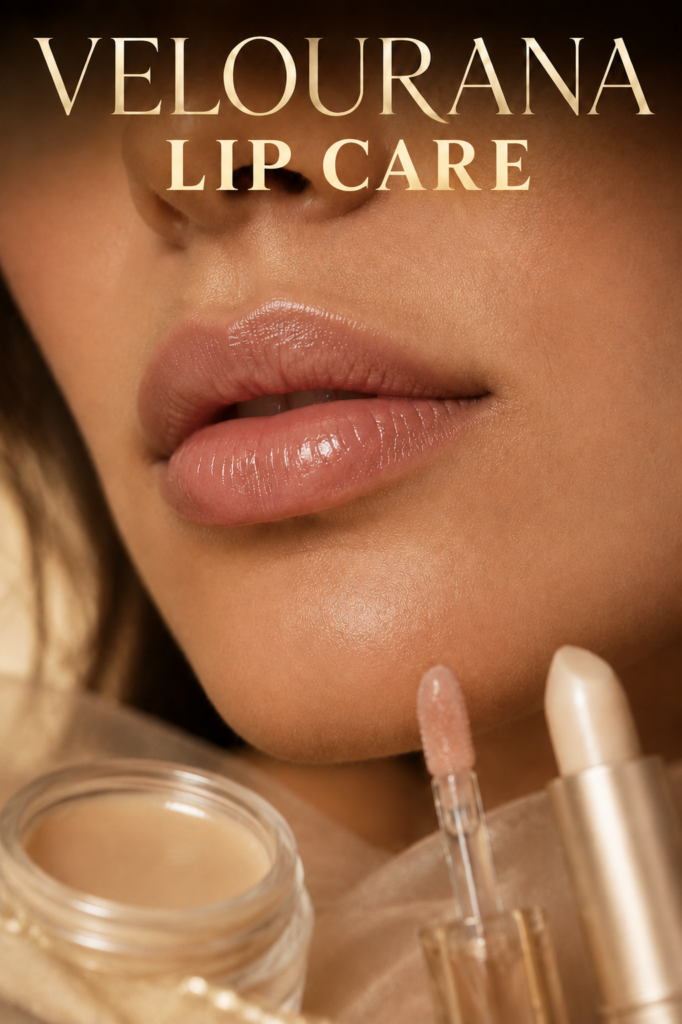
CATEGORY: Flaky Lips
Why Flaky Lips Are More Than a Surface Concern
Flaky lips often appear to be a minor beauty inconvenience, noticeable mainly when lipstick catches on uneven skin or when a familiar smile reveals small, pale fragments along the lip line. Yet the appearance of visible peeling usually reflects something more significant than an untidy surface. It signals that the delicate outer layer of the lips is struggling to maintain its protective function, retain adequate moisture, or recover from repeated irritation. Understanding why that happens can transform lip care from an endless cycle of temporary relief into a more thoughtful process of restoration.
The lips differ substantially from the surrounding facial skin. Their outermost protective layer is relatively thin, and they lack the same concentration of oil-producing glands found across much of the face. This means they have fewer natural resources for replacing lost moisture and defending themselves against environmental exposure. Their position also makes them especially vulnerable: they are constantly affected by eating, drinking, speaking, facial movement, temperature changes, and contact with cosmetic products. Even habits that seem harmless can gradually weaken an already fragile surface.
Flaking develops when the outermost cells begin to separate unevenly rather than shedding in a smooth, nearly invisible manner. Sometimes this follows ordinary dryness, but persistent peeling can also result from an impaired barrier, irritating ingredients, sun exposure, contact sensitivity, or repetitive behaviors such as lip licking and picking. The visible flakes are therefore not the entire problem. They are the evidence of an underlying process that deserves attention.
A common mistake is to treat every instance of flaking as a signal to exfoliate more aggressively. The impulse is understandable because removing loose skin can briefly make the lips look smoother. Unfortunately, when the protective surface is already compromised, repeated scrubbing can deepen the irritation that caused the problem in the first place. The lips may then appear better for a few hours before becoming rough, sensitive, and visibly flaky again.
A more useful approach begins with recognizing that healthy lips do not need to be polished into submission. They need sufficient protection, reduced irritation, and enough uninterrupted time to rebuild their surface. Once the causes of flaking are understood, the path toward smoother lips becomes considerably more coherent.
The Structure of the Lips and Their Natural Vulnerability
The visible colored portion of the lips occupies a distinctive position between ordinary facial skin and the moist lining inside the mouth. Its structural characteristics help explain why the lips can feel comfortable one day and become flaky after a relatively small environmental or behavioral change. Compared with many other areas of the body, the lip surface has a thinner outer barrier and fewer features that support long-lasting moisture retention.
This thinner barrier allows the underlying blood vessels to contribute to the lips’ natural color, but it also means that external conditions can affect the tissue more directly. Wind, dry indoor air, sunlight, and friction all place demands on a surface that has limited protective reserves. When those demands become greater than the lips’ ability to recover, the outer cells lose cohesion and begin to lift.
The lips are also in almost continuous motion. Speaking, smiling, chewing, and yawning repeatedly stretch the surface. Healthy tissue generally accommodates that movement without difficulty, but a dry or irritated barrier becomes less flexible. As the surface stiffens, tiny areas may split or separate, creating the rough edges that later become visible flakes. This is one reason peeling often feels worse at the center of the lower lip or around areas that move frequently.
Another important factor is the absence of the same natural lubrication available elsewhere on the face. While the surrounding skin can benefit from sebum produced by oil glands, the exposed lip surface depends heavily on its existing barrier integrity and on any protective products applied externally. Once moisture escapes, the lips have limited ability to compensate on their own.
Saliva complicates the situation further. Although it initially makes the lips feel wet, it evaporates quickly and may leave the surface drier than before. The enzymes present in saliva are useful inside the mouth, where they participate in digestion, but repeated exposure on the outer lips can contribute to irritation. What feels like an instinctive moisturizing gesture therefore often becomes part of the problem.
These structural realities do not mean that flaky lips are inevitable. They explain why lip care requires a different level of gentleness from care for thicker facial or body skin. The objective is not simply to add moisture whenever the lips feel uncomfortable, but to preserve a fragile barrier that faces constant exposure and mechanical stress.
Environmental Conditions That Encourage Lip Peeling
The environment has a powerful influence on whether the lips remain supple or become visibly flaky. Cold weather is often blamed first, and with good reason: winter air tends to contain less moisture, while wind increases evaporation from exposed surfaces. However, seasonal changes are only part of the picture. Heated interiors, air-conditioned offices, airplane cabins, and prolonged sun exposure can create similar conditions at any time of year.
Indoor heating frequently contributes to persistent lip discomfort because it lowers the relative humidity of the surrounding air. A person may apply lip balm repeatedly while sitting in a warm room and still find that peeling returns within hours. The issue is not necessarily that the balm is ineffective, but that the lips are continuously losing moisture to an environment that remains dry throughout the day and night.
Air conditioning can have a comparable effect, particularly during summer. Although the weather outside may be humid or warm, indoor cooling systems can reduce moisture in the air and expose the lips to steady airflow. The combination becomes especially noticeable for people who spend long hours working indoors, commuting in air-conditioned vehicles, or sleeping near a fan.
Wind deserves particular attention because it accelerates evaporation while also producing physical friction. Outdoor exercise, walking near the sea, and cold-weather travel can leave the lips rough even when the rest of the face feels comfortable. A protective layer applied before exposure can help reduce the direct impact of moving air, but already irritated lips may remain sensitive until their barrier has recovered.
Sunlight is another frequently underestimated contributor. The lips receive regular ultraviolet exposure, especially the lower lip, which tends to project outward. Sun-related irritation may appear as dryness, roughness, peeling, or lingering sensitivity rather than as an obvious burn. Because the lip surface has limited natural defenses, repeated exposure can gradually undermine comfort and texture.
Changes in routine can also create temporary vulnerability. Travel often combines dry cabin air, disrupted hydration habits, altered sleep, new foods, and inconsistent product use. The resulting flaking may seem mysterious because no single factor appears dramatic. In reality, several moderate stressors can act together until the lips exceed their tolerance.
Environmental awareness matters because it shifts the focus away from blaming the lips for being difficult. Often, the surface is responding predictably to conditions that encourage moisture loss. Adjusting protection to match those conditions is usually more effective than repeatedly removing the resulting flakes.
Lip Licking, Picking, and the Cycle of Repeated Irritation
Some of the most persistent causes of flaky lips are habits performed almost without awareness. Lip licking, biting, rubbing, and picking often begin as attempts to relieve discomfort. Unfortunately, these behaviors can create a self-perpetuating cycle in which temporary relief leads to additional irritation, followed by more visible peeling and a stronger urge to interfere.
Lip licking is particularly deceptive. The immediate sensation of wetness can feel soothing, especially when the lips are tight or rough. As saliva evaporates, however, it removes surface moisture and may leave the lips feeling even drier. Repeating the action throughout the day exposes the delicate tissue to continual wetting and drying, which gradually weakens the barrier.
Picking creates a different form of damage. A loose fragment of skin may seem ready to come away, but it is often attached to tissue that has not finished healing. Pulling it can remove more than the visible flake, exposing sensitive layers underneath. The area may then sting, redden, or bleed slightly, and the repair process begins again from an earlier stage.
Biting or chewing the lips introduces mechanical pressure and repeated friction. These habits sometimes become more frequent during concentration, stress, or boredom, making them difficult to recognize. The damage may develop in familiar areas, such as the inside edge of the lower lip or one side of the mouth, where the teeth repeatedly contact the tissue.
Even rubbing the lips together too forcefully after applying balm can be problematic when the surface is already inflamed. The movement spreads the product, but excessive pressure may disturb fragile flakes and increase tenderness. A damaged barrier generally responds better to gentle placement of a protective layer than to vigorous manipulation.
Breaking this cycle often requires replacing the habit rather than relying on willpower alone. When the urge to lick or pick appears, applying a simple protective balm can provide a different sensation without further damaging the surface. Over time, reduced interference gives the lips an opportunity to shed naturally and rebuild their outer layer.
The emotional aspect should not be overlooked. Flaky lips can become visually distracting, particularly before social events or makeup application. The temptation to remove every imperfection can be strong. Yet allowing the lips to recover undisturbed is often the most effective way to achieve the smoothness that aggressive handling repeatedly prevents.
Cosmetic Ingredients and Contact Sensitivity
Lip products are designed to improve comfort, appearance, or both, but their ingredients can sometimes contribute to the very flaking they are intended to conceal. The issue is not that cosmetics are inherently harmful. Rather, the lip surface is sensitive, frequently exposed, and less able to tolerate repeated contact with certain ingredients when its barrier is compromised.
Fragrance and flavoring are common examples. A product may feel luxurious because it smells like vanilla, tastes like peppermint, or creates a refreshing cooling sensation. For some people, however, these additions can provoke irritation or contact sensitivity, especially when the product is applied many times each day. The reaction may appear gradually as dryness, redness, peeling, or a persistent burning feeling.
Ingredients that produce tingling deserve similar caution. Menthol, camphor, strong mint flavorings, and certain plumping agents can create a noticeable sensory effect that some users interpret as evidence that the product is working. On already flaky lips, that sensation may instead indicate irritation. A formula does not need to sting or tingle to provide effective protection.
Long-wearing lip colors can also challenge a fragile surface. Matte liquid lipsticks, transfer-resistant stains, and highly pigmented formulas may contain ingredients that help them adhere and dry down. While these products can create a beautiful finish on comfortable lips, they may emphasize flakes and increase tightness when the barrier is already depleted.
Toothpaste and mouthwash sometimes play an overlooked role. Flavoring agents, strong mint components, whitening ingredients, or foaming agents can irritate the lips through repeated contact during brushing. If peeling is concentrated around the mouth or worsens after oral-care routines, it may be worth considering whether residue is contributing to the problem.
Sunscreen ingredients may also differ in tolerability from one person to another. A lip product with sun protection is valuable, but an individual who experiences stinging or repeated peeling after using a particular formula may need a different option. The presence of protection does not automatically mean that every formula will suit every sensitive lip surface.
Identifying an irritating product can be difficult when several formulas are used together. A person might apply a flavored balm, a lip liner, a matte lipstick, and a nighttime mask, then struggle to determine which product is responsible. Temporarily simplifying the routine to a bland, fragrance-free protective product can make patterns easier to recognize. Persistent or worsening reactions may warrant professional evaluation, particularly when swelling, pronounced redness, or recurrent cracking accompanies the flaking.
Dehydration, Diet, and the Limits of Internal Explanations
Flaky lips are often attributed immediately to not drinking enough water. Hydration does matter for overall health, and inadequate fluid intake can contribute to dryness. However, the relationship between drinking water and lip peeling is not always straightforward. A person can be well hydrated and still experience flaky lips because of environmental exposure, irritating products, or repetitive lip licking.
The lips depend on both internal hydration and external barrier function. Water within the body cannot remain comfortably distributed at the surface if the protective outer layer is repeatedly disrupted. This is why drinking more water does not necessarily resolve persistent peeling when the lips are being exposed to wind, saliva, harsh cosmetics, or dry indoor air.
Diet can also influence lip comfort, but broad claims should be approached carefully. Nutritional deficiencies may sometimes contribute to changes around the mouth, including cracking or inflammation, yet it is not possible to identify a deficiency based on flaky lips alone. Many common causes are unrelated to nutrition, and taking supplements without a clear reason may not address the actual problem.
Spicy foods, acidic fruits, salty snacks, and very hot beverages can irritate already compromised lips through direct contact. The effect does not mean these foods are unhealthy or must be permanently avoided. It simply reflects the fact that exposed, damaged tissue reacts more strongly to substances that would otherwise cause little discomfort.
Alcohol consumption and certain daily routines may also affect how dry the lips feel, particularly when combined with insufficient fluid intake or prolonged exposure to dry environments. Again, these influences are usually part of a larger picture rather than a complete explanation on their own.
Medications can sometimes contribute to dryness as well. Some treatments affect moisture levels, skin turnover, or sensitivity, and the lips may become noticeably drier during use. Because medication-related changes depend on the specific treatment and individual circumstances, persistent concerns are best discussed with a qualified healthcare professional rather than addressed through assumptions or abrupt changes in prescribed therapy.
A balanced perspective avoids both extremes. It recognizes that the body’s internal condition can influence the lips while also acknowledging that most episodes of flaking involve direct surface-level stress. When peeling continues despite reasonable hydration, the next question should not simply be how much more water to drink. It should be what is repeatedly preventing the lip barrier from remaining intact.
Exfoliation and the Difference Between Smoothing and Damage
Exfoliation is frequently presented as the obvious answer to flaky lips. The logic seems simple: if loose skin is visible, removing it should restore a smooth surface. In practice, the outcome depends heavily on the condition of the lips, the method used, and whether the underlying cause of the peeling has been addressed.
On healthy lips with a small amount of superficial buildup, very gentle softening may improve texture temporarily. On lips that are irritated, cracked, burning, or actively peeling, however, exfoliation can remove tissue that is still serving a protective purpose. The result may be increased sensitivity, more rapid moisture loss, and a renewed cycle of flaking.
Physical scrubs are especially easy to overuse. Sugar crystals, salt particles, textured cloths, and toothbrush bristles can create friction that feels satisfying in the moment. Yet the lip surface is considerably more delicate than many people assume. A scrub that seems mild on the hands may be too abrasive for lips that are already struggling to recover.
Chemical exfoliating ingredients can also be unsuitable for a compromised barrier. Acids designed to loosen dead skin cells may cause stinging or excessive irritation when applied to the lips, particularly if the formula was created for facial skin rather than the mouth area. More intensive treatment does not necessarily translate into better results.
A gentler approach allows flakes to soften naturally under a protective layer. When loose skin has become fully detached and can be removed without pulling, discomfort, or friction, minimal handling may be reasonable. The key distinction is that the process should never involve forcing the surface to release tissue that is still attached.
Makeup application can create pressure to exfoliate immediately. Matte lipstick in particular tends to reveal every uneven patch, and the desire for a smooth result may encourage aggressive preparation. In reality, postponing a drying lip color and prioritizing recovery often produces a better appearance over the following days.
Healthy lip care is not defined by how completely visible flakes can be removed in a single session. It is defined by whether the lips become more comfortable, flexible, and resilient over time. When exfoliation repeatedly leads to soreness or renewed peeling, it is not solving the problem. It is becoming one of its causes.
Choosing Protective Lip Care That Supports Recovery
An effective lip product for flaky lips does not need to be complicated. Its primary purpose is to reduce moisture loss, protect the surface from external stress, and create conditions in which the barrier can recover. For many people, a simple, fragrance-free formula is more useful during a flare of peeling than a highly scented product with numerous active ingredients.
Occlusive ingredients help form a protective layer over the lips, reducing the rate at which moisture escapes. Petrolatum is a familiar example and is widely used for this purpose. Other formulas may contain waxes, plant-derived oils, butters, or combinations of protective ingredients. Individual preference and tolerance matter, but the general principle remains the same: a compromised lip surface benefits from a stable shield.
Emollient ingredients contribute softness and flexibility by helping the surface feel smoother. When combined with an occlusive component, they can improve comfort while supporting the protective layer. However, a formula containing appealing oils or botanical extracts is not automatically suitable for sensitive lips, because some individuals react to fragrance components or specific plant ingredients.
Humectants attract and bind water, but their performance depends on the overall formulation and surrounding conditions. A product that contains moisture-binding ingredients without sufficient protective support may not provide lasting comfort in a very dry environment. This is why the complete formula matters more than any single ingredient highlighted on the packaging.
Application timing also influences results. Applying a protective product before exposure to wind, before sleep, or after gently cleansing the face can help reduce predictable periods of moisture loss. Reapplication may be useful after eating or drinking, particularly if the product has worn away.
Lip sun protection deserves consideration during daytime exposure. A broad-spectrum lip product with appropriate sun protection can help defend the vulnerable surface against ultraviolet damage. If a particular formula causes stinging, another product may be better tolerated. Protection should support comfort rather than create a new source of irritation.
During recovery, simplicity often makes it easier to understand what the lips need. Reducing the number of products, avoiding strong flavors and fragrances, and allowing a protective layer to remain in place can reveal whether repeated cosmetic exposure was maintaining the problem. The most effective product is not necessarily the most expensive or elaborate. It is the one that the lips tolerate consistently and that helps them remain comfortable between applications.
When Persistent Flaking Deserves Professional Attention
Most episodes of flaky lips are related to dryness, irritation, or environmental exposure, and they often improve when the surface is protected and aggravating factors are reduced. Nevertheless, persistent or unusual changes should not always be dismissed as ordinary chapping. The lips can be affected by inflammatory conditions, allergic reactions, infections, and sun-related changes that require a more specific assessment.
Flaking that continues despite a simplified, gentle routine may suggest that the underlying cause has not been identified. Recurrent redness, burning, swelling, crusting, or cracking at the corners of the mouth can provide important clues, but these features are not sufficient for a reliable self-diagnosis. A healthcare professional can evaluate the pattern and consider whether additional investigation is appropriate.
One-sided changes or a persistent rough area deserve particular attention, especially if they do not behave like ordinary dryness. A spot that repeatedly scales, bleeds, remains tender, or fails to heal should be assessed rather than repeatedly scrubbed or covered with cosmetic products. This is especially relevant for people with substantial cumulative sun exposure.
A suspected allergic reaction may also require professional guidance. If symptoms appear after introducing a new lip product, toothpaste, mouthwash, or cosmetic, avoiding the suspected trigger may help. However, when the reaction recurs or the responsible ingredient is unclear, a clinician may recommend further evaluation.
People taking medications associated with dryness or undergoing treatments that affect the skin may also benefit from individualized advice. The goal is not to stop necessary treatment without guidance, but to manage the lip symptoms in a way that respects the broader medical situation.
Severe pain, significant swelling, spreading redness, or signs of infection should not be approached as a routine cosmetic issue. While many lip concerns are harmless, symptoms that are intense, progressive, or accompanied by other concerning changes deserve timely medical attention.
Knowing when to seek help does not make everyday lip care unnecessarily complicated. It simply acknowledges that visible flaking can have more than one explanation. When the lips fail to improve as expected, professional assessment can prevent prolonged discomfort and reduce the risk of repeatedly treating the wrong problem.
Building a More Stable Relationship With Lip Comfort
Flaky lips become less frustrating when they are understood as a message from the skin rather than a flaw that must be removed immediately. The visible peeling reflects a surface that has lost some of its ability to remain flexible, protected, and evenly hydrated. Addressing that condition requires patience, consistency, and a willingness to reduce the habits or products that interfere with recovery.
The most meaningful improvement often comes from small changes that work together. A gentler lip product, less frequent licking, better protection from wind and sunlight, and reduced exposure to irritating cosmetics can gradually create a more stable environment. None of these measures needs to be dramatic to matter.
It is also helpful to accept that the lips respond to changing circumstances. A formula that feels comfortable in humid summer weather may be insufficient during winter travel or prolonged exposure to indoor heating. Likewise, a favorite lipstick may be enjoyable when the lips are healthy but less appropriate during a period of active peeling.
The appearance of smooth lips should not come at the expense of the protective surface itself. Aggressive scrubbing, picking, and repeated use of irritating products may deliver a brief visual improvement while prolonging the underlying problem. Lasting softness is more likely when the lips are allowed to recover gradually.
A thoughtful approach recognizes that comfort and appearance are closely connected. Lips that feel less tight, less sensitive, and better protected usually look smoother as well. Rather than chasing an instantly flawless surface, the more effective objective is to support the conditions that allow the lips to maintain their own resilience.
When flaking is persistent, unusual, or associated with additional symptoms, professional evaluation remains important. For ordinary dryness and irritation, however, a calmer and more protective routine can make a substantial difference. The lips do not need harsher treatment to become smooth. They need a barrier strong enough to stop shedding in distress.
THE END VELOURANA
 Discover More From Our Family of Websites
 ZodiacBearing (Astrology, Tarot, Numerology, Angel Numbers & Spiritual Guidance)
 Velourana (Beauty, Makeup, Hair Care, Skincare & Beauty Tips)
 HavenBearing (Home, Living, Organization, Décor & Everyday Inspiration)
 PawBearing (Pet Care, Dog Breeds, Animal Health, Training & Pet Products)
 PsyCatherine (Notes From the Journal of a Psychologist on Real Life)

