
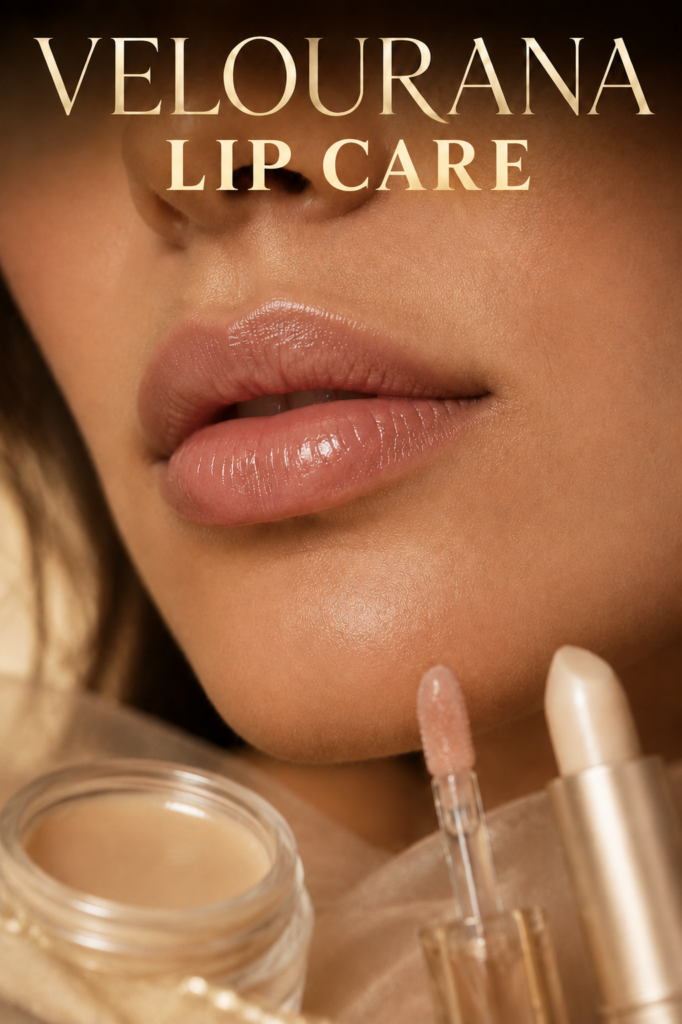
CATEGORY: Dry Lips
Why Dry Lips Are More Than a Cosmetic Inconvenience
Dry lips are often dismissed as a minor beauty concern, something easily corrected with a quick application of balm before leaving the house. Yet anyone who experiences persistent tightness, roughness, flaking, or sensitivity knows that the problem can become far more disruptive. Lips participate in speaking, eating, smiling, and expressing emotion throughout the day, which means even a modest disturbance in their condition can become difficult to ignore. When dryness repeatedly returns despite frequent product application, it is usually a sign that the underlying causes have not been addressed.
The lips occupy a uniquely vulnerable position within the skin’s overall architecture. They are constantly exposed to weather, indoor heating, food, saliva, cosmetics, and mechanical friction, while possessing fewer of the natural protective features found elsewhere on the face. Their surface is thinner, their barrier function is less robust, and their ability to maintain comfortable moisture levels depends heavily on both environmental conditions and daily habits.
Understanding dry lips requires moving beyond the idea that they simply need more product. Moisture loss can result from inadequate protection, irritation, dehydration, repeated licking, sun exposure, allergic reactions, or a broader disruption of the skin barrier. Sometimes several factors combine, creating a cycle in which the very behaviors intended to relieve discomfort make the problem worse.
A thoughtful approach to lip care begins by recognizing that dryness is not always the same as a lack of water. It can also reflect an inability to retain water, an imbalance in the surface lipids that protect delicate tissue, or inflammation caused by unsuitable ingredients. Once these distinctions become clear, lip care becomes less about chasing temporary softness and more about restoring conditions that allow the lips to remain comfortable throughout the day.
The Distinctive Structure of the Lips and Their Limited Natural Defenses
The visible pink portion of the lips, known as the vermilion, differs significantly from the skin covering most other parts of the body. Its outer protective layer is comparatively thin, which contributes to the lips’ characteristic color because underlying blood vessels are more visible. This delicate structure also means that environmental stressors can affect the lips more quickly than they might affect thicker facial skin.
Unlike many other areas of skin, the vermilion has limited access to oil-producing structures that naturally contribute to surface protection. Sebum plays an important role in helping ordinary skin resist moisture loss, but the lips cannot rely on the same level of continuous natural lubrication. As a result, they often depend more heavily on external protective layers, particularly during cold weather, exposure to wind, or extended time in dry indoor environments.
The lips are also in near-constant motion. Talking, chewing, stretching, and smiling repeatedly alter the surface, placing mechanical demands on tissue that is already delicate. When the barrier becomes dry and inflexible, these movements can encourage small surface splits or uncomfortable tightness. The corners of the mouth are especially vulnerable because they experience repeated stretching and may also remain damp from saliva.
Another important difference is the relationship between the lips and surrounding moisture. Because the mouth is close to saliva, beverages, and food, the lips are repeatedly exposed to wetness followed by evaporation. Although this can create the temporary sensation of hydration, repeated wetting and drying often increases irritation rather than correcting it.
The lips also receive considerable ultraviolet exposure, particularly the lower lip, which frequently faces upward toward the sun. Their reduced natural defenses make consistent sun protection relevant even when dryness does not initially appear connected to outdoor activity. Over time, cumulative environmental exposure can contribute to persistent roughness and sensitivity.
Recognizing these structural limitations helps explain why the lips may become dry even when the rest of the complexion appears balanced. They require a distinct care strategy, one that emphasizes protection, gentle treatment, and consistent barrier support rather than assuming ordinary facial skincare principles automatically apply.
How Weather, Indoor Air, and Seasonal Changes Accelerate Moisture Loss
Environmental conditions are among the most common contributors to dry lips, and their effects can vary considerably throughout the year. Cold outdoor air typically holds less moisture than warm air, while wind increases evaporation from exposed surfaces. Together, these factors can leave the lips feeling tight and uncomfortable within a relatively short period, especially when protective balm is absent.
Winter presents a particular challenge because the lips often move repeatedly between cold outdoor conditions and heated indoor spaces. Central heating can reduce indoor humidity, creating an environment in which moisture evaporates more readily from delicate tissue. This means that dryness may continue indoors even after direct exposure to wind and cold has ended.
Air conditioning can produce a similar effect during warmer months. Although it offers relief from heat, prolonged time in climate-controlled offices, vehicles, or bedrooms may expose the lips to consistently dry circulating air. People who notice dryness primarily during working hours or after long journeys may be responding more to indoor conditions than to the outdoor season itself.
Sun exposure introduces an additional layer of stress. Ultraviolet radiation can damage delicate lip tissue, leading to dryness, peeling, sensitivity, or a burning sensation. Because lip sunscreen is often overlooked, people may protect the face carefully while leaving the lips exposed. This can be particularly relevant during holidays, outdoor exercise, driving, or time near reflective surfaces such as water.
Travel also combines several environmental pressures. Aircraft cabins are typically associated with low humidity, while changes in climate, disrupted routines, and reduced fluid intake can make lips feel uncomfortable during or after a journey. Even a familiar product routine may become less effective when the surrounding air is substantially drier than usual.
Seasonal lip care therefore benefits from flexibility. A lightweight product that feels comfortable in humid summer conditions may not provide enough protection during winter wind or prolonged exposure to indoor heating. Adjusting texture, frequency of application, and sun protection according to the environment can help prevent dryness from becoming a recurring cycle.
The Lip-Licking Cycle and Why Temporary Relief Often Makes Dryness Worse
Lip licking is one of the most common instinctive responses to dryness. The immediate sensation of moisture can feel soothing, particularly when the lips are tight or rough. However, saliva evaporates quickly, and as it disappears, it can leave the surface feeling drier than before.
This creates a repetitive pattern. Dryness encourages licking, licking creates brief relief, evaporation increases discomfort, and the urge to lick returns. Over time, the cycle can contribute to irritation around the mouth as well as on the lips themselves. In more persistent cases, the skin bordering the lips may become red, sensitive, or visibly inflamed.
Saliva is not formulated to function as a protective moisturizer. It contains substances involved in digestion, and repeated contact with already vulnerable skin may contribute to irritation. The problem is especially noticeable in people who lick their lips unconsciously while concentrating, speaking, working outdoors, or feeling anxious.
Mouth breathing can intensify the same pattern. When air repeatedly passes over the lips, particularly during sleep, the surface may become dry and uncomfortable. Nasal congestion, snoring, or sleeping in a dry room can leave the lips noticeably worse in the morning, even when a moisturizing product was applied before bed.
The most useful response is not simply to suppress the habit through willpower, but to reduce the discomfort that triggers it. A protective, nonirritating lip product can make the surface feel more comfortable and reduce the urge to seek temporary relief through saliva. Applying such a product before situations in which lip licking tends to occur can also interrupt the cycle.
Habit awareness matters because many people do not realize how frequently they touch or lick their lips throughout the day. Once the behavior becomes visible, it often becomes easier to replace with a gentler response, such as applying a simple protective balm or taking a sip of water when appropriate.
Irritating Ingredients and the Hidden Problem of Reactive Lip Care
Not every lip product that feels active or refreshing is well suited to dry, sensitive lips. Some formulas create a cooling, tingling, or strongly scented sensation that may be interpreted as evidence that the product is working. In reality, those sensations can reflect irritation, particularly when the lip barrier is already compromised.
Fragrance and flavoring are frequent concerns because lip products remain close to the mouth and are often reapplied many times each day. Ingredients associated with mint, cinnamon, citrus, or strong aromatic effects can be uncomfortable for some individuals, even when they appear in products marketed for everyday use. Sensitivity does not always emerge immediately; repeated exposure may gradually lead to persistent dryness or redness.
Certain plumping products also deserve careful consideration. Their visible effects may depend partly on ingredients that produce temporary irritation or increased surface sensation. While some people tolerate these formulas without difficulty, they can be unsuitable when the lips are already peeling, sore, or reactive.
Exfoliating ingredients can present another problem. Acids and strong resurfacing agents may be appropriate in carefully formulated facial skincare, but delicate lip tissue does not necessarily respond well to repeated chemical exfoliation. When dryness is mistaken for a need to remove more surface skin, aggressive products can deepen the underlying barrier disruption.
Long-wearing lip colors, particularly very matte formulas, may contribute to discomfort when they contain ingredients that evaporate quickly or create a rigid film. This does not mean matte lipstick must always be avoided, but persistently dry lips may benefit from reducing wear time, improving preparation, and choosing more flexible formulations.
Toothpaste can also influence lip condition. Strong flavorings, foaming agents, or other ingredients may irritate the mouth area in susceptible individuals, especially if residue remains around the lips after brushing. When dryness is concentrated around the lip border and resists ordinary care, everyday oral-care products may be worth considering.
A useful principle is that comfortable lip care should not sting, burn, or repeatedly trigger redness. When a product produces those reactions, continued application is unlikely to support recovery, regardless of how attractive its packaging or immediate sensory effect may be.
The Difference Between Hydrating the Lips and Protecting Their Barrier
Hydration and protection are related but distinct aspects of lip care. Hydrating ingredients help attract or bind water, while protective ingredients reduce the rate at which that water escapes. A product that offers only one of these functions may provide incomplete relief, particularly when environmental conditions are unfavorable.
Humectants such as glycerin and hyaluronic acid are commonly included in moisturizing formulas because they help retain water within the surface layers. However, these ingredients often work best when accompanied by substances that create a protective film. Without adequate barrier support, moisture may still evaporate quickly, especially in dry air.
Emollients contribute softness and flexibility by smoothing the surface and helping improve the feel of rough or uneven areas. Plant oils, certain butters, and other conditioning ingredients can make the lips feel more comfortable, although individual tolerance varies. A product that feels luxurious is not automatically suitable if its fragrance or botanical components trigger irritation.
Occlusive ingredients reduce water loss by forming a physical protective layer over the lips. Petrolatum is a familiar example and is often valued for its simplicity and strong barrier-supporting properties. Waxes and certain other protective substances may also contribute to this function, depending on the overall formulation.
The most effective choice depends on the condition of the lips and the surrounding environment. Mild dryness may respond well to a balanced balm containing both conditioning and protective ingredients. More severe dryness, particularly overnight or during cold weather, may call for a richer, simpler ointment that remains on the lips longer.
Application timing also matters. Applying a protective product after drinking water, washing the face, or gently dampening the lips can help preserve available surface moisture. Conversely, repeatedly applying a strongly flavored balm to completely dry, irritated lips may provide less lasting benefit.
Rather than searching for a single fashionable ingredient, it is often more helpful to consider whether a product supports the overall barrier, feels comfortable, and remains effective without provoking the need for constant reapplication.
Lifestyle Factors That Influence Lip Comfort From Morning to Night
Dry lips are sometimes associated with inadequate fluid intake, but the relationship is not always straightforward. Drinking enough water supports normal bodily function, yet persistent lip dryness does not necessarily disappear simply because someone increases daily water consumption. Environmental exposure, irritation, and barrier damage can remain significant even when general hydration is adequate.
Daily routines often reveal more useful clues. Frequent consumption of salty foods, spicy meals, or acidic beverages can irritate already sensitive lips, particularly if residue remains on the surface. Repeatedly wiping the mouth with rough tissues or napkins can add mechanical friction, making dryness feel worse.
Smoking and vaping may also affect lip comfort through heat, exposure to potentially irritating substances, and repeated movements around the mouth. Even when these factors are not the sole cause, they can complicate efforts to restore a calm, resilient lip surface.
Exercise introduces its own challenges. Outdoor activity may combine sun, wind, sweat, and mouth breathing, while indoor training environments can expose the lips to air conditioning. Athletes and regular walkers may notice that lip discomfort appears after activity rather than during the rest of the day.
Cosmetic habits matter as well. Repeated lipstick removal, particularly with strong cleansers or vigorous rubbing, can gradually disturb the surface. Choosing a gentle remover and allowing the lips occasional breaks from demanding long-wear products may improve overall comfort.
Sleep conditions are equally relevant. A dry bedroom, nighttime mouth breathing, or sleeping with the face exposed to a fan can leave the lips dehydrated by morning. A protective layer applied before bed may help, especially when combined with attention to the surrounding environment.
These examples demonstrate that dry lips rarely exist in isolation. They reflect the cumulative effect of small exposures repeated throughout the day. Identifying the pattern behind discomfort often makes it easier to choose practical changes that provide more lasting improvement.
When Persistent Dryness Suggests Something Beyond Ordinary Dehydration
Most episodes of dry lips improve when irritants are removed and the surface receives consistent protection. However, dryness that persists, worsens, or becomes accompanied by other symptoms may require professional assessment. The lips can reflect inflammatory conditions, allergic reactions, infections, nutritional issues, or changes related to chronic sun exposure.
Contact dermatitis is one possible explanation when dryness appears alongside redness, itching, burning, or scaling. The trigger may be a lip balm, lipstick, toothpaste, dental product, food flavoring, or another substance that repeatedly touches the mouth area. Because the responsible ingredient is not always obvious, identifying it can take time.
Cracking at the corners of the mouth represents a different pattern from generalized dryness. Persistent irritation in these areas can be associated with excess moisture, friction, infection, or other contributing factors. Applying ordinary lip balm may not be sufficient when the corners remain sore or repeatedly split.
Nutritional deficiencies are sometimes discussed in relation to lip changes, but they should not be assumed without proper evaluation. If dry lips occur alongside fatigue, mouth soreness, skin changes, or other unexplained symptoms, a healthcare professional can determine whether further assessment is appropriate.
Certain medications may also contribute to dryness. Treatments that affect oil production, moisture balance, or overall skin sensitivity can leave the lips particularly vulnerable. When dryness begins after a new medication, professional guidance can help determine whether the timing is relevant and how best to manage symptoms safely.
A persistent rough patch, recurrent bleeding, marked tenderness, or a lesion that does not heal deserves medical attention, particularly when there has been considerable sun exposure. Chronic changes on the lower lip should not automatically be dismissed as routine dryness.
The purpose of recognizing these possibilities is not to make ordinary dryness appear alarming. It is to acknowledge that the lips sometimes require more than cosmetic care, especially when symptoms continue despite a gentle, consistent routine.
Building a Sustainable Approach to Comfortable, Healthy-Looking Lips
Long-term improvement usually comes from reducing the pressures placed on the lips rather than repeatedly responding after discomfort has already developed. A simple, well-tolerated balm or ointment can provide a foundation, particularly when it is applied before exposure to wind, dry indoor air, or extended periods outdoors.
Daytime care benefits from attention to sun protection. A lip product with appropriate SPF can help protect delicate tissue during ordinary daily exposure as well as outdoor activities. Reapplication may be necessary after eating, drinking, or prolonged time in the sun, depending on the product and circumstances.
Evening care can focus more heavily on barrier support. A richer protective layer before sleep may reduce overnight moisture loss, especially for people who wake with tight, uncomfortable lips. The goal is not to apply an excessive number of products, but to use a formulation that remains comfortable and does not introduce unnecessary irritation.
Gentleness is equally important when the lips begin to recover. Peeling skin should not be picked or aggressively scrubbed, because removing partially attached tissue can create raw areas and restart inflammation. Allowing the surface to soften naturally under a protective product is often more beneficial than forcing immediate smoothness.
Consistency matters more than novelty. Frequently changing between heavily flavored, strongly scented, or highly active products can make it difficult to identify what the lips genuinely tolerate. A quieter routine gives the barrier an opportunity to stabilize and makes patterns easier to recognize.
Healthy-looking lips are not the result of permanent glossiness or constant product application. They are comfortable, flexible, and able to withstand ordinary daily movement without repeated cracking or sensitivity. Achieving that condition requires respecting the lips’ distinctive structure and responding thoughtfully to the environmental and lifestyle factors that influence them.
Dry lips may be common, but they are not a concern that should be approached carelessly. When protection, hydration, and irritation control work together, the lips are better equipped to maintain softness and resilience across changing seasons and daily demands.
THE END VELOURANA
 Discover More From Our Family of Websites
 ZodiacBearing (Astrology, Tarot, Numerology, Angel Numbers & Spiritual Guidance)
 Velourana (Beauty, Makeup, Hair Care, Skincare & Beauty Tips)
 HavenBearing (Home, Living, Organization, Décor & Everyday Inspiration)
 PawBearing (Pet Care, Dog Breeds, Animal Health, Training & Pet Products)
 PsyCatherine (Notes From the Journal of a Psychologist on Real Life)

