
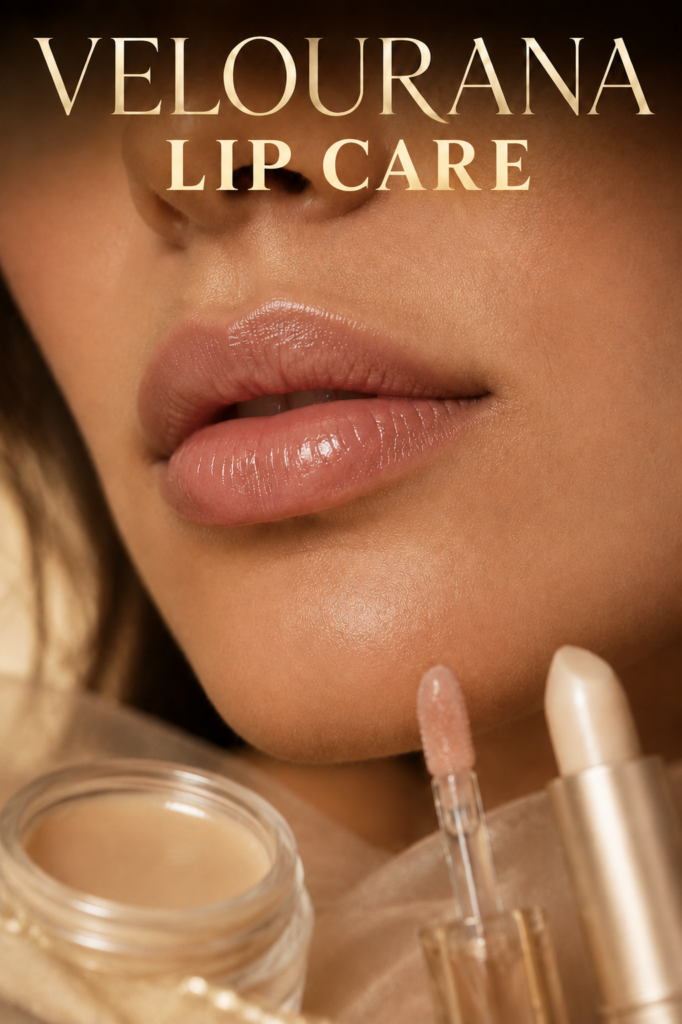
CATEGORY: Lip Moisturizing
Lip moisturizing sounds simple. Apply a balm when the lips feel dry, repeat when necessary, and expect softness to return. Yet the skin of the lips behaves differently from much of the skin elsewhere on the face, and that difference explains why some people seem to need lip balm constantly while others can go through most of the day without thinking about their lips at all.
Healthy-looking lips are not simply lips coated with something glossy or oily. Moisturized lips feel flexible when speaking and smiling, remain relatively smooth through changes in weather, and recover comfortably after exposure to wind, dry indoor air, sun, cosmetics, food, and everyday habits. Achieving that condition depends less on repeatedly adding moisture from the outside and more on supporting the lip surface so that it can retain water and remain protected.
The most effective everyday approach therefore begins with understanding what the lips need, what causes them to lose comfort, and how different moisturizing ingredients interact with the delicate lip surface. Once those principles are understood, lip care becomes considerably easier to tailor to season, environment, cosmetic habits, and personal preference.
Why Lips Become Dry So Easily
The lips occupy an unusual position between facial skin and the moist tissues inside the mouth. Their visible surface is comparatively thin and delicate, and it does not have the same robust protective characteristics as many other areas of skin. This is part of what gives lips their characteristic color and texture, but it also makes them particularly responsive to environmental conditions.
Lips are repeatedly exposed throughout the day. Cold air can make them feel tight. Wind can accelerate discomfort. Air conditioning and indoor heating can create dry environments in which moisture is lost more readily. Sun exposure adds another challenge, while eating, drinking, speaking, wiping the mouth, applying makeup, and removing makeup continually disturb whatever protective layer has formed on the surface.
The lips also lack the abundant oil-producing structures that help protect many areas of facial skin. Facial skin can develop an oily surface naturally, but lips depend much more heavily on their existing barrier and on whatever protective products are applied to them.
This explains an experience familiar to many people: lips may feel comfortable immediately after a balm is applied but become dry again surprisingly quickly. The problem is not necessarily that the balm has somehow stopped working. The protective layer may simply have been removed through ordinary activity, or the product may have offered only one component of what the lips needed.
A successful moisturizing routine therefore considers both water and protection.
Moisture Is More Than Adding Water
When people describe a product as moisturizing, they may be referring to several different effects. Some ingredients help attract or hold water. Others soften rough surfaces. Still others form a film that slows moisture loss.
These functions are related but not identical.
Humectant ingredients are associated with attracting and retaining water within the upper layers of the skin. Ingredients such as glycerin and hyaluronic acid are familiar examples in skincare. In lip formulations, humectants can contribute to a hydrated, supple sensation, particularly when they are combined with ingredients that help prevent that hydration from disappearing rapidly.
Emollients primarily improve softness and smoothness. Oils, certain esters, plant butters, and similar ingredients can fill spaces between rough surface cells and create a more flexible feel. A lip that feels coarse may become noticeably smoother after an emollient-rich product is applied.
Occlusive ingredients create a more substantial protective layer over the surface. Petrolatum is perhaps the best-known example. Waxes, lanolin in suitable formulations, and various other protective ingredients can also reduce the rate at which water escapes from the lip surface.
The distinction matters because a product that feels luxurious when first applied may not necessarily provide long-lasting protection. A light oil can produce immediate slip and shine while offering a different experience from a dense ointment that remains on the lips for hours. Neither texture is automatically better. They simply serve different purposes.
For persistent dryness, combining hydration, softness, and protection is often more useful than relying exclusively on a single sensation such as glossiness.
The Lip Barrier and the Importance of Protection
Modern skincare frequently discusses the skin barrier, and the concept is especially relevant to lips. The outer surface functions partly as a boundary between the body and the surrounding environment. When that boundary is comfortable and intact, water is retained more effectively and everyday irritants are less likely to create noticeable discomfort.
When the lip surface becomes compromised, a cycle can develop. Dryness produces roughness. Roughness encourages touching, rubbing, peeling, or licking. Those behaviors can disturb the surface further, leading to more dryness and a stronger urge to interfere with it.
This is why effective lip moisturizing is sometimes less about adding increasingly complicated products and more about giving the lips enough protection to recover without constant disturbance.
A simple protective balm applied consistently may accomplish more than frequent experimentation with exfoliants, flavored treatments, plumping products, masks, and multiple active ingredients. Lips often respond well to restraint.
Barrier support is particularly important overnight. During sleep, the lips are largely free from eating, drinking, wiping, and makeup application. A persistent protective layer therefore has an opportunity to remain in place for an extended period. For people who regularly wake with dry lips, nighttime protection can become one of the most valuable elements of everyday care.
Understanding the Textures of Lip Moisturizers
Lip moisturizing products range from nearly weightless oils to dense ointments. Texture influences not only how a product feels but also how it behaves throughout the day.
Traditional balm sticks are convenient and portable. Their wax-based structures allow them to remain solid enough for direct application while depositing a thin protective layer. They are particularly practical for daytime maintenance because they can be reapplied quickly without using fingers.
Creamier balms may contain a higher proportion of emollient ingredients and can feel more cushioning. They often suit people who dislike a highly waxy sensation but still want more substance than a lip oil provides.
Lip oils emphasize slip and shine. Depending on the formulation, they may soften the surface beautifully and provide an attractive cosmetic finish. Some are designed primarily as treatment products, while others behave more like glossy makeup. Their moisturizing performance should therefore be judged by the complete formula rather than by the word "oil" alone.
Ointments are generally heavier and more occlusive. They can be particularly useful when lips feel severely dry or when environmental conditions are harsh. Their persistence is often an advantage at night, during flights, in winter, or whenever a more durable barrier is desirable.
Lip masks occupy an overlapping category. Despite the name, many overnight lip masks function essentially as rich balms or ointments intended to remain on the lips for an extended period. Their value depends on formulation rather than terminology. A beautifully packaged mask is not inherently more effective than a straightforward protective balm.
The ideal texture is therefore the one that provides sufficient protection while remaining pleasant enough that it will actually be used consistently.
Why Constant Lip Licking Can Make Dryness Worse
Dry lips naturally create an urge to lick them. For a moment, saliva makes the surface feel wet and relieved. Unfortunately, that relief is temporary.
As saliva evaporates, the lips can feel dry again. Repeated licking also exposes the delicate surface to substances in saliva that are intended to participate in digestion rather than function as skincare ingredients. Over time, the repeated wetting and drying cycle may contribute to irritation around the lips.
This habit can become almost unconscious. A person may believe that their lip balm is ineffective when part of the problem is that the protective layer is repeatedly being removed.
Reducing lip licking is therefore an important part of moisturizing care. Keeping a comfortable balm accessible can help because it provides an alternative response when tightness appears. The goal is not to coat the lips every few minutes but to interrupt the wet-dry cycle and maintain a more stable surface.
The same principle applies to biting and peeling. A loose piece of dry skin is tempting to remove, yet pulling it can take healthy surface tissue with it and leave a tender area behind. Protecting the lips and allowing rough areas to soften naturally is generally gentler than repeatedly manipulating them.
The Role of Exfoliation
Lip exfoliation is widely promoted as a route to smoothness, especially before lipstick application. Used carefully, gentle removal of loose surface flakes can improve cosmetic texture. Used aggressively or too frequently, however, exfoliation can undermine the very barrier that moisturizing products are trying to support.
The lips do not need to be polished into perfect smoothness every day.
Physical scrubs containing sugar or other particles create friction. The intensity of that friction depends on particle size, pressure, duration, and the condition of the lips at the time. Scrubbing already cracked or irritated lips can make them feel more sensitive.
Chemical exfoliating ingredients also require caution. Acids commonly used on facial skin are not automatically appropriate for frequent use on the lips, particularly when the formulation was never intended for that area.
A more conservative philosophy works well for everyday lip care. If the lips are simply dry, increasing protection and allowing the surface to soften may be preferable to immediately exfoliating. When loose flakes remain and cosmetic smoothness is important, extremely gentle removal may be sufficient.
Moisturizing should remain the foundation. Exfoliation is an occasional supporting technique, not a substitute for barrier care.
Daytime Lip Moisturizing
Daytime lip care has to coexist with ordinary life. Coffee, water, meals, conversation, commuting, makeup, and weather all influence how long a moisturizer remains on the lips.
For that reason, daytime products often benefit from being comfortable rather than extremely heavy. A balm that feels unpleasant may be wiped away or simply left unused. A formula that feels natural on the lips is easier to maintain.
Morning application can be particularly useful after washing the face or brushing the teeth. Water and cleansing products around the mouth can leave the lips feeling temporarily tight. Applying a moisturizer soon afterward restores a protective surface before makeup or outdoor exposure.
Reapplication does not need to follow a rigid schedule. It can respond to circumstances. Eating a meal may remove much of the product. Spending time outside in cold wind may increase the need for protection. Long periods in air-conditioned environments may make lips feel drier than usual.
The objective is not constant coating but consistent comfort.
Daytime moisturizing can also be integrated with lip makeup. A thin balm layer beneath lipstick can improve comfort, although an excessively slippery layer may reduce adhesion or change the finish. Allowing a moisturizer to settle before applying color can create a better balance between conditioning and makeup performance.
Nighttime as a Recovery Period
Night provides an unusually useful opportunity for lip moisturizing because products can remain relatively undisturbed.
A richer layer applied before bed can reduce overnight moisture loss and soften areas that have become rough during the day. People who prefer lightweight products during waking hours may find that nighttime is the ideal moment for a heavier ointment or mask.
The concept is similar to applying a richer facial moisturizer at night, although the lips usually need far less complexity. A well-formulated protective product may be sufficient.
Applying lip moisturizer after the final tooth brushing of the evening can be practical because the product is less likely to be immediately removed. The surrounding mouth area should be clean and dry, particularly if toothpaste tends to irritate the skin.
By morning, lips often feel more flexible because they have spent several hours under a stable protective layer. Consistency matters more than applying an enormous quantity. A moderate coating that remains comfortable is generally enough.
Nighttime care can also reveal whether environmental conditions are contributing to dryness. If lips repeatedly become dry overnight despite adequate protection, very dry indoor air, mouth breathing, or other factors may be worth considering.
Weather Changes and Seasonal Moisturizing
Lip needs are rarely identical throughout the year.
Winter combines several conditions that encourage dryness. Outdoor air may be cold and low in humidity, while indoor heating further reduces moisture in the environment. Moving repeatedly between these conditions can leave lips feeling tight and fragile.
A richer balm often becomes more useful during colder months. Applying it before going outdoors allows the protective layer to be present before exposure rather than waiting until discomfort has already developed.
Wind deserves particular attention. Moving air can increase evaporation from exposed surfaces, and the lips sit directly in its path. Protective ointments and waxier balms can therefore feel especially helpful during windy weather.
Summer presents different concerns. Heat and humidity may reduce the desire for heavy textures, but sun exposure becomes particularly important. Lips can be affected by ultraviolet radiation just as other exposed areas can, making sun-protective lip products valuable during outdoor activities.
The best moisturizing routine is consequently flexible. A lightweight balm that is ideal in humid weather may feel insufficient during winter, while a dense ointment loved in January may feel unnecessarily heavy in August.
Adapting texture to environment is more practical than searching for one supposedly perfect product for every situation.
Sun Protection and Moisturized Lips
Moisture and sun protection address different needs, but effective daytime lip care can include both.
The lips are exposed whenever the face is exposed, yet they are sometimes forgotten during sunscreen application. Lip products formulated with sun protection can help address this vulnerable area.
The protective product should be reapplied as appropriate, particularly after eating, drinking, swimming, or wiping the mouth. This is especially relevant during extended outdoor exposure.
A moisturizing sunscreen lip balm can simplify the routine because it combines conditioning ingredients with ultraviolet protection. However, a cosmetic lip product that happens to feel moisturizing should not automatically be assumed to provide meaningful sun protection unless it is specifically labeled for that purpose.
Sun exposure can also contribute to the sensation of dryness after a day outdoors. Maintaining both moisture and appropriate protection helps preserve comfort rather than treating dryness only after it appears.
Lipstick, Gloss, and Moisture Balance
Lip makeup can either coexist comfortably with moisturizing care or highlight every rough area on the surface.
Matte and long-wearing lip colors are particularly demanding because their finish often depends on minimizing slip. Some people can wear them comfortably for hours, while others notice tightness relatively quickly.
Preparing the lips beforehand can improve the experience. Moisturizer applied earlier has time to soften the surface without leaving a thick layer immediately beneath the color. Excess product can be gently removed before lipstick if necessary.
Cream and satin formulas often feel more forgiving because they maintain greater surface movement. Glosses and oils can create an immediate impression of moisture through shine and slip, although their actual conditioning properties vary significantly.
Removing lip makeup gently at the end of the day is equally important. Repeated rubbing with dry tissue can create unnecessary friction. A remover capable of dissolving the formula allows color to lift with less mechanical stress.
Moisturizing after removal restores the protective layer and makes the transition from cosmetic wear to overnight care seamless.
When More Product Is Not the Answer
Persistent lip dryness can tempt people to accumulate products. One balm is replaced by another, then a scrub, sleeping mask, serum, oil, primer, and treatment are added in succession.
More complexity can make it harder to identify what the lips actually tolerate.
Fragrance, flavoring agents, cooling ingredients, plumping ingredients, and various botanical extracts can make products enjoyable, but sensitive lips may react differently. A product can feel exciting while being less suitable for someone whose lips are already irritated.
When discomfort persists, simplifying the routine can provide useful information. A basic protective moisturizer with a relatively straightforward formula allows the lips to recover without constant exposure to changing ingredients.
This does not mean that elaborate lip products are inherently problematic. Many people enjoy them without difficulty. The important distinction is between cosmetic enjoyment and barrier necessity.
When lips are comfortable, experimentation is easier. When they are irritated, simplicity often becomes more valuable.
Hydration From Within and the Limits of the Water Myth
Drinking adequate fluids is important for general health, but dry lips are not automatically evidence that someone needs to drink enormous quantities of water.
A person who is normally hydrated can still experience dry lips because of cold weather, low humidity, wind, sun, irritation, medication, lip licking, or the characteristics of the products being used.
This distinction prevents an overly simplistic response to lip dryness. Drinking another glass of water does not recreate a damaged protective surface on the lips. Topical protection remains important.
At the same time, genuine dehydration can affect the body broadly, including the appearance and comfort of the mouth and lips. Normal hydration therefore remains part of general wellbeing without functioning as a universal cure for chapped lips.
The most realistic approach recognizes both internal and external influences rather than attributing every episode of dryness to one cause.
Building a Sustainable Everyday Lip Routine
The most effective routine is usually the one that requires the least thought.
A comfortable moisturizer available where it is naturally needed makes consistency easier. One might remain beside the bed, another in a handbag or pocket, and another near a desk. This is not about excessive application; it simply removes the inconvenience that often prevents regular use.
Morning protection establishes comfort for the day. Reapplication follows meals or noticeable product removal. Sun-protective lip care becomes important when spending time outdoors. A richer evening layer provides uninterrupted protection overnight.
Within that framework, texture can change according to circumstances. Lightweight products can serve cosmetic and daytime preferences, while heavier products provide stronger protection when required.
The lips themselves provide useful feedback. Comfortable, flexible lips do not need increasingly intensive treatment simply because elaborate routines are fashionable. Tight, flaky lips may benefit from more persistent protection and less interference.
Everyday moisturizing works best when it becomes responsive rather than excessive.
Recognizing When Dryness Is More Than Ordinary Dryness
Most occasional lip dryness is associated with ordinary environmental exposure and responds to gentle care. Persistent cracking, significant pain, bleeding, swelling, repeated inflammation around the mouth, or symptoms that do not improve deserve more attention.
Sometimes the problem may involve irritation or allergy rather than simple dryness. Toothpaste, cosmetics, skincare products used near the mouth, fragrances, flavorings, and other substances can potentially contribute.
Repeated cracking at the corners of the mouth can also have causes different from generalized dry lips.
In these situations, endlessly applying new cosmetic products may obscure the problem rather than solve it. Persistent or severe symptoms are better assessed by an appropriate healthcare professional.
Everyday lip moisturizing belongs to cosmetic and supportive care. It should not be expected to diagnose or treat every condition that can affect the lips.
The Value of Consistency
Beautifully moisturized lips rarely result from dramatic intervention. They are more often the result of maintaining a stable environment at the surface.
Protecting the lips before they become severely dry is easier than repeatedly repairing them after discomfort develops. A reliable balm applied at sensible moments can therefore be more valuable than occasional intensive treatments.
The principle is remarkably similar across seasons and lifestyles: preserve water, reduce unnecessary irritation, protect the surface, and allow the lips to function without constant disruption.
Once lip moisturizing is understood in those terms, the enormous variety of available products becomes easier to navigate. Balms, oils, masks, creams, and ointments are simply different ways of delivering combinations of hydration, emollience, and protection.
The best choice is not necessarily the richest, most expensive, most fashionable, or most complicated formula. It is the product that provides the degree of protection the lips need, feels comfortable enough to use consistently, and fits naturally into everyday life.
Soft lips are ultimately less about creating a temporary coating and more about maintaining resilience. When the delicate lip surface is protected from excessive moisture loss and unnecessary irritation, smoothness and comfort become easier to sustain from morning until night.
THE END VELOURANA
 Discover More From Our Family of Websites
 ZodiacBearing (Astrology, Tarot, Numerology, Angel Numbers & Spiritual Guidance)
 Velourana (Beauty, Makeup, Hair Care, Skincare & Beauty Tips)
 HavenBearing (Home, Living, Organization, Décor & Everyday Inspiration)
 PawBearing (Pet Care, Dog Breeds, Animal Health, Training & Pet Products)
 PsyCatherine (Notes From the Journal of a Psychologist on Real Life)

