
CATEGORY: Brassiness
Freshly colored hair has a particular visual clarity. Blonde appears luminous rather than yellow, brunette looks dimensional rather than rusty, silver feels clean rather than dull, and highlighted hair carries deliberate ribbons of brightness instead of an indistinct wash of warmth. Yet that precision rarely remains completely unchanged between salon appointments. As weeks pass, many people begin to notice yellow, orange, copper, red, or golden tones becoming increasingly visible. This familiar transformation is generally described as brassiness.
Brassiness is often treated as though it were simply a problem of choosing the right purple shampoo. In reality, unwanted warmth is more complex. It develops through the interaction of natural hair pigment, artificial color, lightening history, environmental exposure, water quality, cleansing habits, heat styling, ultraviolet radiation, and the gradual deterioration of the hair fiber itself. Understanding those influences makes color care considerably more effective because it shifts the objective from repeatedly covering unwanted tones to maintaining the conditions that allow a chosen shade to remain visually balanced.
Warm pigment is not inherently unattractive. Gold, copper, amber, caramel, auburn, and honey can all be sophisticated components of intentional hair color. Brassiness is different because it describes warmth appearing where it was not intended, or appearing in proportions that disrupt the original color design. A cool beige blonde becoming strongly yellow, an ash brunette becoming orange, or silver hair developing a warm cast are examples of tonal drift rather than simply warm hair.
The distinction matters. Effective brassiness care is not a battle against every trace of warmth. It is the controlled management of tone, condition, and color stability so that the hair continues to resemble the shade that was originally intended.
Why Brassiness Appears Beneath Hair Color
Natural hair contains melanin pigments that contribute to its visible depth and tone. When hair is lightened, those pigments do not disappear simultaneously. Darker pigments must pass through recognizable stages of underlying warmth as they are removed. Depending on the starting depth and the degree of lift, red, red-orange, orange, orange-yellow, and yellow undertones may become exposed.
This underlying warmth is a normal part of hair-color chemistry. A naturally dark brunette cannot generally become a pale blonde without moving through warmer stages during the lightening process. Professional colorists therefore consider not only how light the hair needs to become but also which underlying pigments will be revealed at that level.
Toners and carefully selected color formulas are used to refine those exposed pigments. They do not necessarily erase the underlying warmth permanently. Instead, they create a visual balance by depositing complementary tones over or alongside it. As those deposited pigments gradually fade, the warmer foundation can become more noticeable again.
This explains why brassiness frequently appears several weeks after coloring even when the initial salon result looked beautifully cool. The hair has not mysteriously manufactured orange or yellow pigment. In many cases, the warm pigment was already present beneath the finished shade and became more visible as corrective or balancing pigments washed away.
The amount of warmth that emerges varies considerably. Naturally dark hair lifted several levels may reveal substantial orange or red-orange pigment. Naturally lighter hair may expose predominantly yellow undertones. Previously colored hair can behave differently again because artificial pigments and natural pigments may coexist through different portions of the strand.
Hair history therefore matters enormously. Two people who appear to have similar blonde hair may require entirely different brassiness strategies because one began with naturally light hair while the other reached blonde after extensive lightening from a much darker base.
Porosity adds another layer. Lightening changes the structure of the hair fiber, particularly when repeated over time. Highly porous areas can lose deposited pigments rapidly, meaning the tonal correction disappears sooner from precisely the areas where the hair has experienced the greatest chemical processing. This can create uneven brassiness, with certain sections becoming warmer while others remain relatively balanced.
For that reason, brassiness should be understood as both a color phenomenon and a condition phenomenon. Tone and fiber integrity are closely connected.
The Difference Between Yellow, Orange, Red, and Golden Brassiness
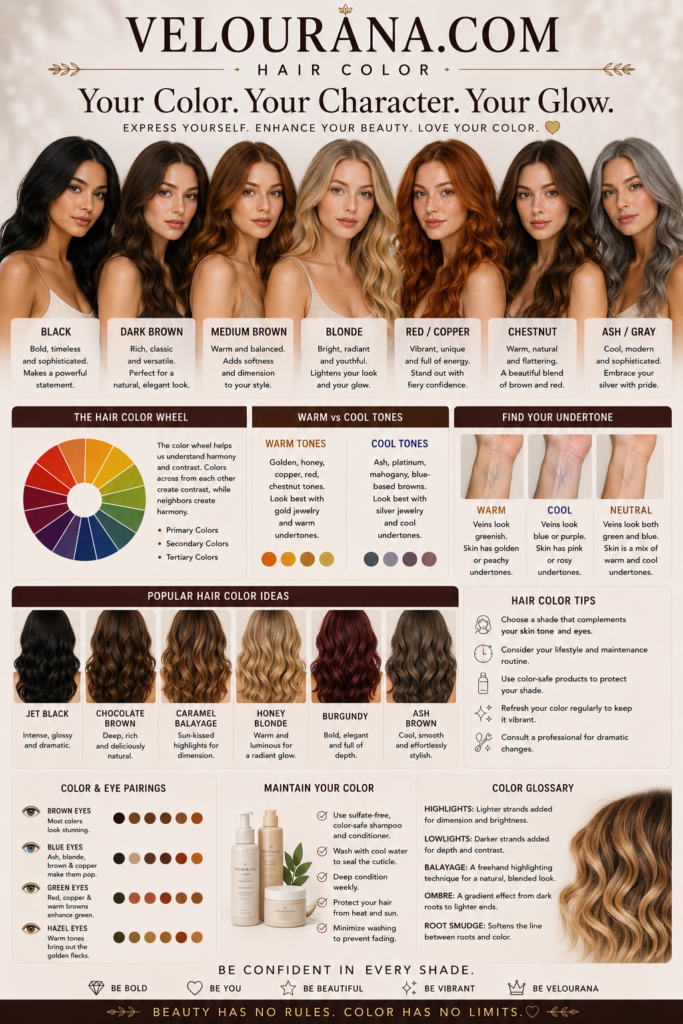
The word brassiness is broad, but the actual unwanted tone matters because different colors require different forms of neutralization. Color theory provides the foundation.
Purple sits opposite yellow on the traditional color wheel, which is why violet pigments are widely used to reduce excessive yellow tones in blonde, platinum, gray, white, and some highlighted hair. Blue sits opposite orange and is therefore more relevant when brunette or darker blonde hair develops orange or coppery warmth. Green can counteract red, although red correction is more complex and usually benefits from careful professional formulation rather than aggressive home experimentation.
This is one reason purple shampoo cannot solve every warm-color problem. Applying violet pigment to strongly orange hair may produce little visible improvement because the dominant unwanted tone requires a different complementary pigment.
The depth of the hair also influences what the eye perceives. Pale blonde hair may display obvious lemon-yellow warmth. Medium blonde can move toward gold or yellow-orange. Lightened brunette hair frequently exposes orange. Deeper brunette shades can reveal red-orange or red warmth as cooler artificial pigments fade.
Even within one head of hair, several forms of brassiness may exist simultaneously. Highlights may become yellow while darker sections develop orange warmth. Ends may absorb toning products intensely because they are porous, while healthier roots resist them. A single corrective product applied uniformly may therefore produce an uneven result.
Intentional warmth should also be distinguished from unwanted brassiness. Beige blonde, for example, usually contains some warmth. Champagne, honey, caramel, copper, strawberry blonde, chestnut, and warm chocolate shades depend on warm pigments for their character. Neutralizing every visible trace of yellow or orange can flatten these colors and remove the richness that makes them attractive.
The objective is tonal proportion. A sophisticated beige blonde may combine cool and warm elements in deliberate balance. A dimensional brunette may contain subtle warmth without appearing orange. Brassiness becomes a concern when one undertone begins dominating the overall impression contrary to the intended shade.
Understanding the specific unwanted tone prevents indiscriminate correction and helps preserve the complexity of the original color.
Why Beautiful Color Gradually Changes Between Appointments
Artificial hair color exists in an environment of continual exposure. Every shampoo, rinse, styling session, sunny afternoon, swimming session, and encounter with mineral-rich water can influence how the color appears.
Cleansing is one of the most obvious factors. Water causes the hair fiber to swell, while shampoo removes oils, styling residue, environmental debris, and varying amounts of deposited color. Frequent washing therefore accelerates the gradual loss of tonal pigments, particularly in porous color-treated hair.
Water temperature can contribute to this process. Very hot water may increase swelling and can make already sensitized hair feel rougher and less manageable. A gentler cleansing temperature is generally more compatible with maintaining conditioned, color-treated hair.
Heat styling introduces another stressor. Blow-dryers, straighteners, curling tools, and other high-temperature appliances can contribute to dryness and structural wear when used aggressively or repeatedly. Damaged hair tends to retain color less predictably. It may also appear less reflective, which changes the visual character of the shade. A smooth cool blonde and a rough cool blonde can look surprisingly different even when their pigment composition is similar because shine influences how the eye reads color.
Ultraviolet exposure can alter both natural and artificial pigments. Extended sun exposure may encourage fading and make warmer undertones more apparent. Hair that spends substantial time outdoors may therefore require more protective care than hair exposed to relatively little direct sunlight.
Swimming introduces additional variables. Chlorinated pools can affect color-treated hair, while mineral content in water may leave deposits that influence tone and brightness. Blonde and highly lightened hair can be especially visually sensitive because even subtle deposits are easier to notice against a pale background.
Hard water deserves particular attention. Water containing elevated levels of dissolved minerals can leave deposits on the hair over time. These deposits may contribute to dullness, dryness, altered color perception, and difficulty achieving a clean tonal result. In some circumstances, mineral accumulation can make blonde hair look warmer or darker than expected even when pigment fading is only part of the problem.
Product buildup can create a similar visual effect. Heavy conditioners, oils, styling polymers, dry shampoo residue, and environmental particles can reduce clarity and reflection. Hair may then appear muted, muddy, or warmer because the clean dimensionality of the original color has been obscured.
Brassiness is therefore not always solved by adding more corrective pigment. Sometimes the underlying problem is fading. Sometimes it is mineral accumulation. Sometimes it is excessive porosity. Sometimes it is a combination of all three.
Tonal Shampoos, Masks, and Conditioners as Color Maintenance
Pigmented hair-care products have transformed at-home color maintenance because they allow small amounts of corrective pigment to be introduced between professional services. Used thoughtfully, they can extend the visual life of blonde, brunette, silver, gray, and highlighted color.
Purple shampoo is the most familiar example. Violet pigments deposited temporarily onto the hair can visually soften excessive yellow. The effect depends on pigment concentration, contact time, hair porosity, starting color, and frequency of use.
More is not automatically better.
Very porous pale hair may absorb violet pigments rapidly and develop a lavender, gray, or dull cast if heavily pigmented products are used too frequently. Hair with relatively little yellow may become visually flat when repeatedly saturated with purple. Meanwhile, strongly orange hair may remain warm despite intensive violet use because the corrective hue does not correspond to the dominant undertone.
Blue toning products are often more appropriate for orange warmth in brunette and darker blonde shades. Their purpose is similar: temporary deposition of a complementary hue that reduces the visual dominance of unwanted warmth.
Pigmented conditioners and masks can offer a different experience because they combine tonal deposition with conditioning ingredients. For dry, bleached, or highly processed hair, this can be useful because brassiness management should not require repeatedly stripping or roughening the fiber. A beautiful tone on severely dehydrated hair rarely looks as sophisticated as balanced color on smooth, conditioned hair.
The ideal frequency of toning products cannot be reduced to one universal schedule. Hair that becomes yellow quickly may need more frequent tonal maintenance than hair that remains balanced for weeks. A strongly pigmented professional formula may require much less frequent use than a mild everyday product. Porous ends may need shorter exposure than resistant areas.
Visual observation is more useful than rigid habit. Toning products should respond to the color that is actually present rather than being used automatically simply because the hair is blonde or highlighted.
A balanced routine usually includes ordinary color-conscious cleansing as well as targeted toning. This prevents every wash from becoming a corrective treatment and allows the hair's tone to be evaluated between applications.
The goal is maintenance rather than accumulation.
Porosity, Damage, and the Hidden Structural Side of Brassiness
Color correction receives most of the attention in discussions about brassiness, yet the physical condition of the hair often determines how successfully a tone can be maintained.
The cuticle forms the outer protective structure of the hair fiber. Chemical lightening, permanent coloring, repeated heat exposure, mechanical friction, environmental stress, and ordinary weathering can alter this surface. As hair becomes more porous, it may absorb and release water and pigments differently.
Porosity is particularly relevant to blonde hair because substantial lightening is often required to reach very pale shades. The process that removes natural pigment can also leave the fiber more vulnerable. Toner may initially produce a beautiful result but fade rapidly from compromised areas.
Uneven porosity creates additional difficulties. Imagine highlighted hair with relatively healthy new growth, moderately processed mid-lengths, and heavily lightened ends. A purple mask applied from roots to ends may barely affect the healthier sections while dramatically cooling the porous ends. The result can be uneven even though the product was applied evenly.
Conditioning therefore becomes part of color management rather than merely a separate cosmetic concern.
Well-conditioned hair generally reflects light more evenly and appears smoother and brighter. This optical improvement can make color look cleaner. Conversely, rough, dehydrated hair scatters light and can make a sophisticated shade appear dull or muddy.
Protein-containing treatments, bond-supporting systems, moisturizing conditioners, masks, leave-in products, and protective styling products can all have places within a broader care routine, depending on the condition and needs of the hair. They should not be treated as interchangeable or assumed to repair every form of damage permanently. Their value lies in improving manageability, reducing further stress, supporting the feel of the fiber, and helping color-treated hair remain visually polished.
Preventing unnecessary damage is equally important. Repeatedly lightening already pale lengths simply because the roots need lifting can create progressive fragility. Excessive heat can compound that damage. Aggressive detangling of wet, sensitized hair can contribute to breakage.
Brassiness control becomes more sustainable when the question changes from “How can I neutralize this yellow?” to “Why is my desired tone disappearing so quickly?”
Sometimes the answer lies as much in the condition of the fiber as in the toner itself.
Building a More Stable Color-Care Environment
Long-lasting hair color is rarely the result of one exceptional product. It comes from creating an environment in which fading, mineral accumulation, dryness, and unnecessary damage are reduced enough for tonal corrections to remain effective.
Cleansing should remove what genuinely needs to be removed without subjecting color-treated hair to unnecessary repetition. People who wash very frequently may notice faster tonal fading, although scalp comfort, oil production, exercise, styling habits, and individual hair needs must still determine an appropriate cleansing rhythm.
Conditioning should support softness and manageability without producing so much residue that brightness is obscured. Fine blonde hair may require lighter conditioning than coarse, heavily processed hair. The appropriate texture of a product matters almost as much as its marketing category.
Heat protection becomes particularly valuable when thermal styling is frequent. Reducing excessive temperatures and unnecessary passes with hot tools can also help limit cumulative stress.
Water quality may deserve investigation when brassiness repeatedly returns despite careful toning. If mineral buildup is significant, an appropriate clarifying or chelating approach may occasionally be useful. These treatments can be more intensive than ordinary cleansing, however, and should be selected with the condition of color-treated hair in mind. Removing deposits only to leave fragile hair excessively dry is not an ideal exchange.
Sun and swimming exposure can also be considered part of the color environment. Physical protection, appropriate hair products, and sensible post-swim cleansing can help reduce some of the factors that make carefully balanced shades deteriorate prematurely.
None of these measures permanently freezes hair color. Fading is normal. Hair grows, pigments change, environmental exposure continues, and previously processed lengths accumulate wear. The realistic objective is to slow unwanted change and make maintenance more predictable.
When Brassiness Requires Professional Color Correction
At-home toning has limits. A pigmented shampoo can modify surface tone, but it cannot perform the same function as controlled professional lightening, permanent color formulation, or a carefully designed salon toner.
If hair remains strongly orange after repeated purple treatments, the issue may not be insufficient purple pigment. The hair may simply not have been lifted to the level required for the intended shade. Attempting to force a pale ash result onto an inadequately lightened orange foundation can lead to muddy, overly dark, or disappointing color.
Banding is another situation that deserves caution. Hair with different color histories may contain multiple horizontal zones: natural regrowth, previously colored sections, lightened sections, and porous ends. Correcting those zones often requires different formulas or processing strategies.
Home bleaching over already compromised hair can also create serious structural problems. Brassiness may be frustrating, but repeatedly applying lightener without accounting for existing damage can result in breakage, extreme dryness, or uneven lift.
A professional colorist can evaluate the current depth, exposed undertone, previous artificial color, porosity, elasticity, and realistic lifting potential. That assessment is particularly important when the desired shade is dramatically lighter or cooler than the current hair.
Sometimes the healthiest decision is not to neutralize more aggressively but to accept a slightly warmer result while the hair recovers. Color design must work with the condition of the fiber, not against it.
Brassiness as Part of the Natural Life Cycle of Colored Hair
The expectation that salon color should remain visually identical for months can make ordinary fading feel like failure. Hair color is more dynamic than that.
A toner is not necessarily designed to remain indefinitely. Cool pigments can fade. Highlights grow away from the scalp. Sun exposure changes with the season. Water conditions vary. Styling routines change. The lengths continue aging even while new hair grows.
Recognizing this life cycle makes color maintenance more intelligent. Instead of responding to every hint of warmth with stronger corrective products, it becomes possible to observe how the color evolves and intervene only when necessary.
A blonde may look most luminous with a small amount of warmth rather than being continually pushed toward gray. A brunette may need blue-based maintenance only occasionally. Silver hair may require violet correction when yellow becomes visible but benefit from ordinary moisturizing care during the intervals.
The most refined color routines preserve nuance.
Brassiness care is ultimately an exercise in balance: balancing warm and cool pigments, cleansing and conditioning, correction and restraint, cosmetic ambition and structural health. Once unwanted warmth is understood as a predictable result of pigment exposure, fading, porosity, and environment, maintaining color becomes far less mysterious.
The goal is not to eliminate warmth from hair. It is to keep warmth where it belongs, preserve the intended character of the shade, and allow colored hair to retain the clarity, dimension, softness, and luminosity that made the original result beautiful.
THE END VELOURANA
 Discover More From Our Family of Websites
 ZodiacBearing (Astrology, Tarot, Numerology, Angel Numbers & Spiritual Guidance)
 Velourana (Beauty, Makeup, Hair Care, Skincare & Beauty Tips)
 HavenBearing (Home, Living, Organization, Décor & Everyday Inspiration)
 PawBearing (Pet Care, Dog Breeds, Animal Health, Training & Pet Products)
 PsyCatherine (Notes From the Journal of a Psychologist on Real Life)

